Frisco, Texas General Liability Insurance

See How We're Different
Call Us: (940) 268-5112
A customer trips over a loose floor mat in your Frisco storefront, breaks her wrist, and hires a personal injury attorney before the swelling goes down. The medical bills alone hit $38,000, and the demand letter asks for three times that. If you don't carry
general liability insurance, that six-figure claim comes straight out of your business account. This scenario plays out more often than most owners expect, and Texas is one of the most plaintiff-friendly states in the country: the state recorded 207 nuclear verdicts exceeding $10 million each in recent years, a figure that leads the entire nation. For business owners in Frisco, a fast-growing city in Collin County with a booming commercial corridor, liability protection isn't optional. It's the difference between surviving a lawsuit and shutting your doors. This guide breaks down
what general liability coverage actually includes, what drives your premiums, and how to pick the right policy for a Frisco-based operation.
Understanding General Liability Insurance for Frisco Businesses
General liability insurance is the foundational coverage that protects your business when a third party, whether a customer, vendor, or passerby, suffers harm connected to your operations. It's the first policy most businesses buy, and for good reason. Without it, you're personally exposed to lawsuits, medical costs, and property damage claims that can escalate fast in Texas courts.
Most standard policies carry a $1 million per-occurrence limit and a $2 million aggregate, though Frisco businesses in higher-risk industries often need more. The policy typically covers legal defense costs, settlements, and judgments, but the details matter. Whether defense costs fall inside or outside your policy limits can be the difference between full protection and a coverage gap that leaves you writing a check.
Core Coverages: Bodily Injury and Property Damage
Bodily injury coverage kicks in when someone is physically hurt on your premises or because of your business operations. Think of a delivery driver who drops a heavy package on a client's foot, or a restaurant patron who slips on a wet floor. The policy pays for medical expenses, lost wages, and legal defense if the injured party sues.
Property damage coverage works similarly but applies to physical harm to someone else's belongings or space. If your plumbing crew accidentally floods a neighboring office suite, or your catering team damages a venue's hardwood floors, this is the coverage that responds. In both cases, the policy also covers your legal defense, which in Texas can easily run $15,000 to $50,000 even for straightforward claims.
Personal and Advertising Injury Protection
This is the part of general liability that many owners overlook. Personal and advertising injury coverage protects against non-physical harms: libel, slander, copyright infringement in your ads, wrongful eviction (for landlords), and false arrest claims. A Frisco marketing firm that accidentally uses a copyrighted image in a client campaign could face a federal lawsuit. This coverage handles the defense and any resulting damages.
One common mistake is assuming this coverage extends to online defamation or social media disputes. Many standard policies exclude or limit digital claims, so if your business has a significant online presence, ask your agent about endorsements that close that gap.

By: Linda Dodson
Agency Director at
Denton Business Insurance
Why Frisco Companies Need Specific Liability Protection
Frisco isn't a small town anymore. With a population that's grown past 230,000 and major corporate relocations from the Dallas-Fort Worth metroplex, the commercial environment here is competitive and litigious. The city's rapid development means more foot traffic, more construction, and more opportunities for things to go wrong.
Texas also has a two-year statute of limitations for personal injury claims, which means you could face a lawsuit from an incident you've nearly forgotten about. Carrying continuous coverage without gaps is critical, because a lapse in your policy can leave you exposed to claims that occurred during the uncovered period.
Compliance with Texas State Laws and Local Regulations
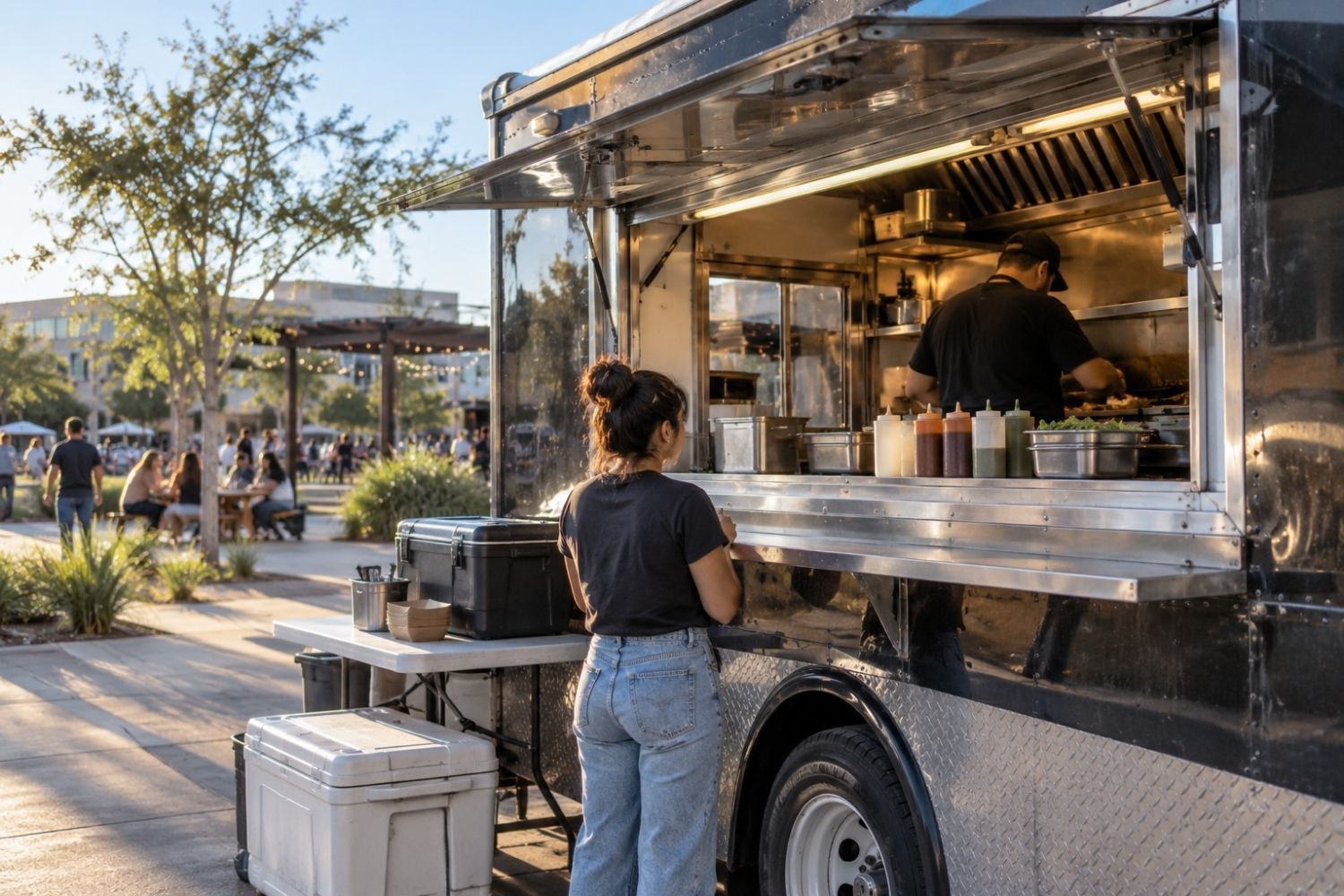
Texas doesn't mandate general liability insurance for most private businesses, but that doesn't mean you can skip it. Certain industries, like construction contractors working on public projects in Collin County, must show proof of coverage before pulling permits. The City of Frisco also requires liability certificates for special event permits, food truck operations, and vendor licenses at facilities like the Frisco Fresh Market.
Here's a nuance worth knowing: Texas is the only state where workers' compensation insurance is entirely optional for private employers. If you choose not to carry workers' comp (becoming a "non-subscriber"), you lose significant legal protections against employee injury lawsuits. Many business owners in Frisco combine general liability with workers' comp precisely because going without both creates a dangerous exposure.
Meeting Contractual Requirements for North Texas Vendors
If you do any work as a subcontractor, vendor, or service provider for larger companies in the DFW area, you'll almost certainly need a Certificate of Insurance showing general liability coverage. Companies like Toyota (headquartered in Plano, right next door), the PGA of America in Frisco, and the Frisco ISD all require vendors to carry minimum limits, often $1 million per occurrence and $2 million aggregate.
Losing a contract because you can't produce a certificate is a real and expensive problem. An independent agency like Denton Business Insurance can issue same-day certificates and help you structure coverage that meets specific contractual requirements, which saves you from scrambling when a big client asks for proof.
Key Industries in Frisco Requiring General Liability
Frisco's economy is diverse, but certain sectors face outsized liability exposure. Knowing where your industry falls helps you right-size your coverage instead of overpaying for limits you don't need or, worse, carrying too little.
Real Estate and Construction Firms
The construction boom in Frisco shows no signs of slowing. New mixed-use developments, residential subdivisions, and commercial build-outs create constant demand for contractors, electricians, HVAC installers, and landscapers. Each of these trades faces significant bodily injury and property damage risk on job sites.
Construction firms should look beyond a basic GL policy. Inland marine endorsements cover tools and equipment in transit or stored on-site. Completed operations coverage, which is part of standard GL but often misunderstood, protects you after a project wraps up. If a deck you built collapses six months later, completed operations is what responds. Real estate developers and property managers also need GL to cover slip-and-fall claims from tenants and visitors.
Retailers and Professional Service Providers
Frisco's retail corridors along the Dallas North Tollway and at Stonebriar Centre generate heavy foot traffic. Retail businesses face constant premises liability exposure: spills, falling merchandise, parking lot incidents. A standard GL policy with $1 million per occurrence is the minimum for most retail operations, and high-traffic stores should consider a commercial umbrella for an extra layer.
Professional service providers, including accountants, consultants, and IT firms, face a different risk profile. Their GL exposure is lower for bodily injury but higher for advertising injury and property damage to client data or equipment. These firms often benefit from bundling GL with professional liability (errors and omissions) coverage.
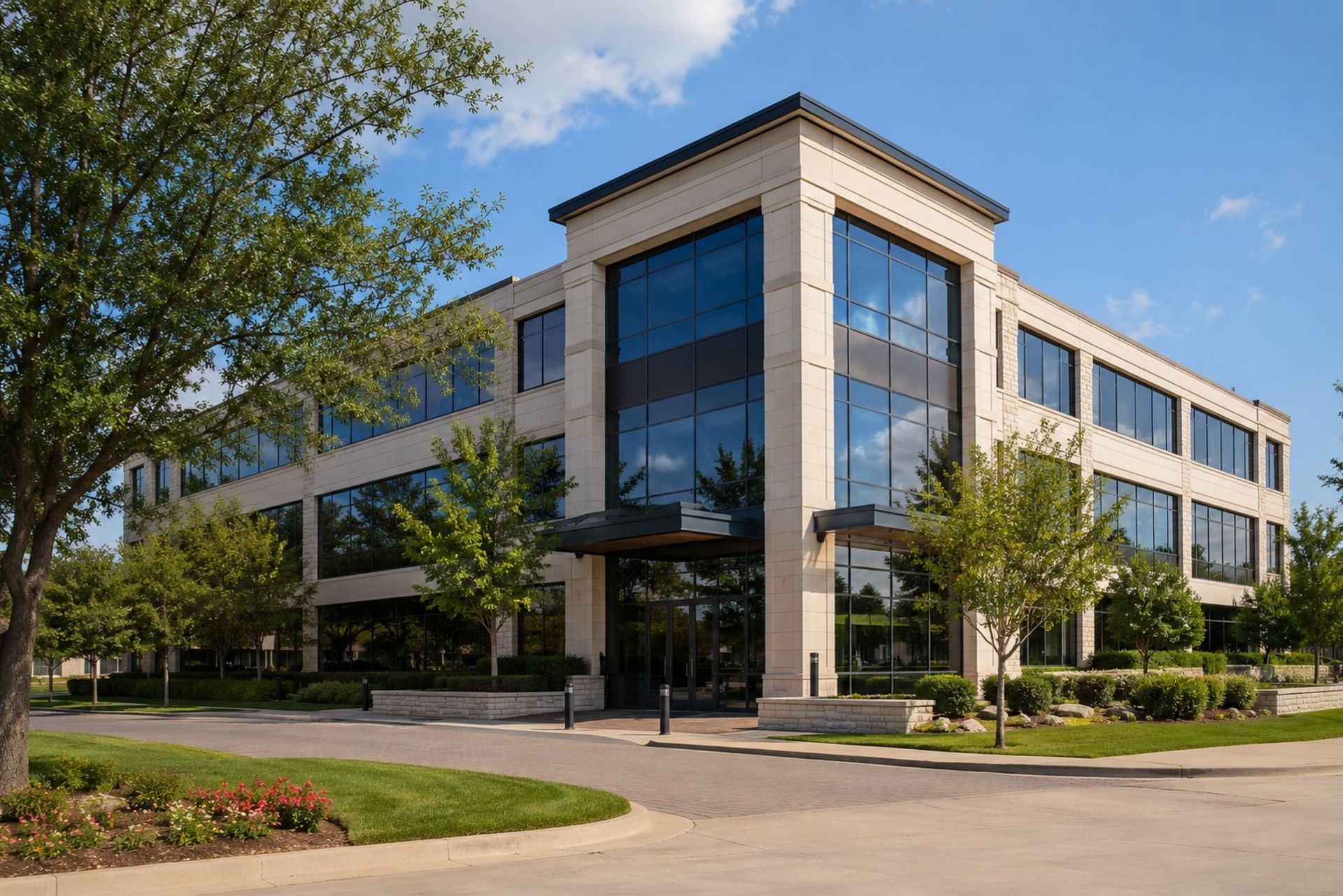
Your premium isn't a random number. Insurers use specific data points to calculate your rate, and understanding them gives you real negotiating power.
Business Size and Annual Revenue Projections
Premiums for general liability in Frisco typically range from $400 to $1,500 per year for small businesses, though construction firms and restaurants often pay more. Your annual revenue is one of the biggest rating factors because insurers view it as a proxy for exposure: more revenue generally means more customer interactions and more potential claims.
| Factor | Lower Premium | Higher Premium |
|---|---|---|
| Annual Revenue | Under $250K | Over $1M |
| Employee Count | 1-5 employees | 20+ employees |
| Industry | Consulting | Construction, restaurants |
| Claims History | Clean record (3+ years) | Multiple claims filed |
| Coverage Limits | $500K per occurrence | $2M per occurrence |
Headcount also matters. A five-person office pays significantly less than a 30-person operation because more employees mean more chances for incidents.
Claims History and Risk Assessment
Your loss history from the past three to five years is the single most influential factor on your renewal premium. Even one paid claim can increase your rate by 15% to 30% at renewal. Two or more claims in a short window can make you difficult to place with preferred carriers, pushing you into surplus lines markets where rates are higher and terms are less favorable.
This is where working with an independent agency pays off. Denton Business Insurance shops your policy across carriers like Nationwide, Travelers, Mercury, Germania, and Chubb, comparing not just price but deductibles, exclusions, and whether defense costs erode your limits. A carrier rated A- or better by A.M. Best should be your minimum standard for financial stability.
How to Select the Right General Liability Policy in Frisco
Picking a policy isn't just about finding the cheapest quote. The wrong policy can leave you exposed exactly when you need protection most.
Evaluating Local Independent Agents vs. Direct Carriers
Direct carriers like GEICO Commercial or Progressive sell you one company's product. If that carrier's rates go up or they decide your industry is too risky, you're stuck shopping from scratch. Independent agents represent multiple carriers simultaneously, which means they can move your policy to a better fit without you starting over.
For Frisco businesses, local knowledge matters too. An agent who understands Collin County's growth patterns, the city's permitting requirements, and the specific risks of operating in North Texas will catch gaps that a national call center won't. When your agent knows that Frisco's hail season runs from March through June and can recommend appropriate property endorsements alongside your GL, that's real value.
Bundling with Business Owner's Policies (BOP)
A Business Owner's Policy bundles general liability with commercial property insurance at a discount, typically saving 10% to 15% compared to buying each policy separately. For most small to mid-size Frisco businesses, a BOP is the smartest starting point.
The BOP usually includes business interruption coverage, which pays lost income if a covered event forces you to close temporarily. Given that North Texas faces real weather risks, from severe thunderstorms to the kind of freeze event we saw with Winter Storm Uri, business interruption coverage isn't a luxury. It's a necessity.
Not every business qualifies for a BOP, though. High-risk operations, businesses with more than 100 employees, or those needing specialized coverage may need standalone policies. Talk to your agent about what structure makes the most sense for your specific situation.
Frequently Asked Questions
How much does general liability insurance cost in Frisco? Most small businesses pay between $400 and $1,500 annually, though construction, food service, and high-traffic retail businesses often pay more due to increased risk.
Do I need general liability insurance if I work from home? Yes. Your homeowner's policy almost never covers business-related claims. Even a home-based consultant should carry GL to cover client visits and advertising injury exposure.
What's the difference between general liability and professional liability? General liability covers bodily injury and property damage. Professional liability (E&O) covers mistakes in your professional services, like giving bad advice that costs a client money.
Can I get same-day coverage? Most independent agencies, including Denton Business Insurance, can bind general liability coverage and issue certificates the same day you apply.
Does general liability cover employee injuries?
No. Employee injuries are covered by workers' compensation insurance, which is optional in Texas but strongly recommended.
Making the Right Choice for Your Frisco Business
The right general liability policy protects your business from the claims that can happen to anyone: a customer injury, a damaged property, an advertising dispute. In a city growing as fast as Frisco, with its mix of construction, retail, corporate, and service businesses, carrying proper coverage isn't just smart. It's essential to staying in business.
Don't shop on price alone. Compare deductibles, check whether defense costs are inside or outside limits, verify your carrier's A.M. Best rating, and make sure your policy matches the contracts you're signing. If you're ready to get quotes from multiple top-rated carriers without the runaround, reach out to Denton Business Insurance. We'll help you find coverage that fits your operation and your budget, so you can focus on running your business instead of worrying about what might go wrong.
Straight from the Clients We Serve
Texas Business Owners Rate Us 5 Stars — Here Is Why
We hear the same things repeatedly: fast service, honest advice, and coverage that made sense for their situation. That is what we aim for every time.
Protection Across Every Area of Your BUSINESS
What Texas Businesses Need. What We Deliver.
From your job site and your fleet to your data and your payroll — we cover the risks that Texas businesses carry every day.
General Liability
Covers third-party claims of bodily injury, property damage, and advertising injury. A foundational protection for nearly every Texas business, regardless of industry or size.
Commercial Property
Covers your building, equipment, inventory, and business contents against fire, theft, storms, and vandalism. Can also include lost income if your businesses are forced to stop.
Commercial Auto
Protects vehicles your company owns, leases, or uses for work. Covers liability, collision damage, and injuries for employees driving on company time.
Errors & Omissions
Protects service providers when a client claims your advice, work, or recommendations caused them a financial loss. Critical for consultants, IT firms, agents, and other professional service businesses.
Directors & Officers
Covers leadership decisions that result in claims from employees, investors, or outside parties. Protects your directors and officers personally when management decisions are challenged.
Inland Marine & Equipment Floater
Covers tools, materials, and equipment that move between job sites or are stored off your primary property. Fills the gap where a standard commercial property policy stops.
Every Sector Has Its Own Risk Profile
We Know Your Trade. We Know Your Exposure.
We work with a wide range of Texas industries — each with different coverage priorities. Below are the sectors we serve most often.

Apartment Complexes
Texas apartment owners face liability across common areas, tenant incidents, and on-site staff. We cover your property, your income, and your exposure — across one complex or an entire portfolio.
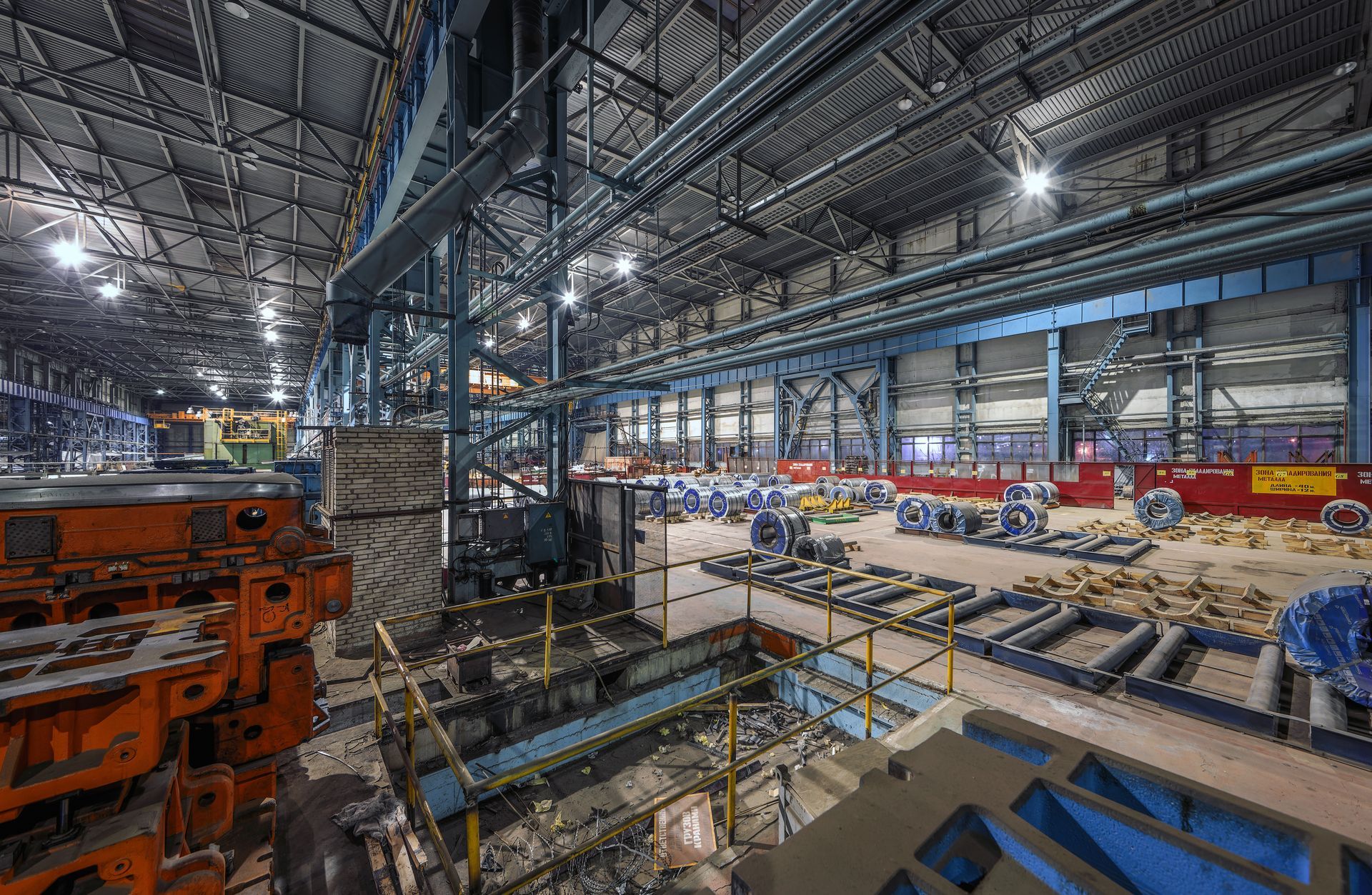
Manufacturing Businesses
Equipment breakdowns, product liability, and workforce injuries are daily risks for Texas manufacturers. We build coverage from the shop floor to the loading dock — so one incident does not shut you down.
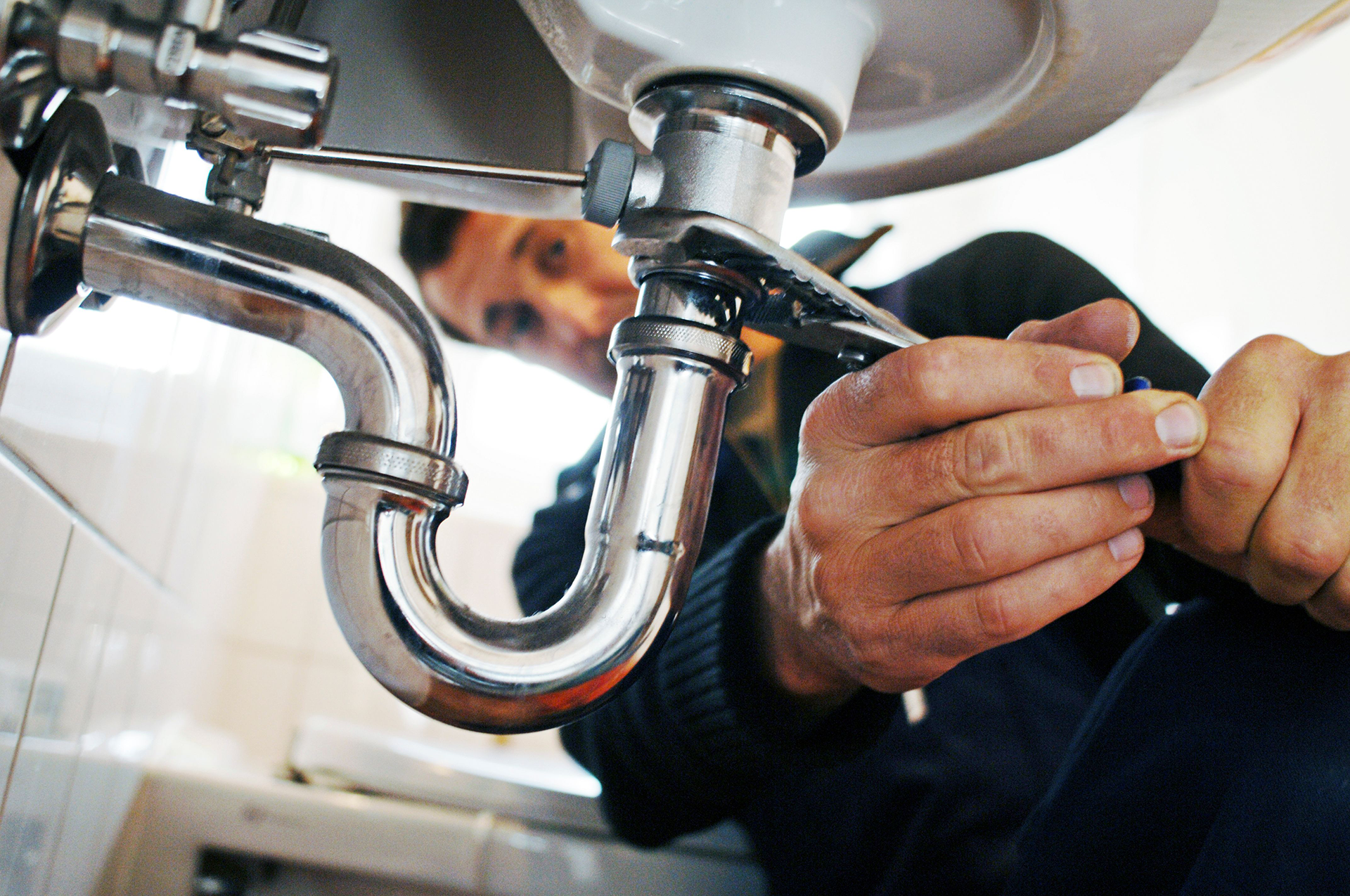
Artisan Contractors
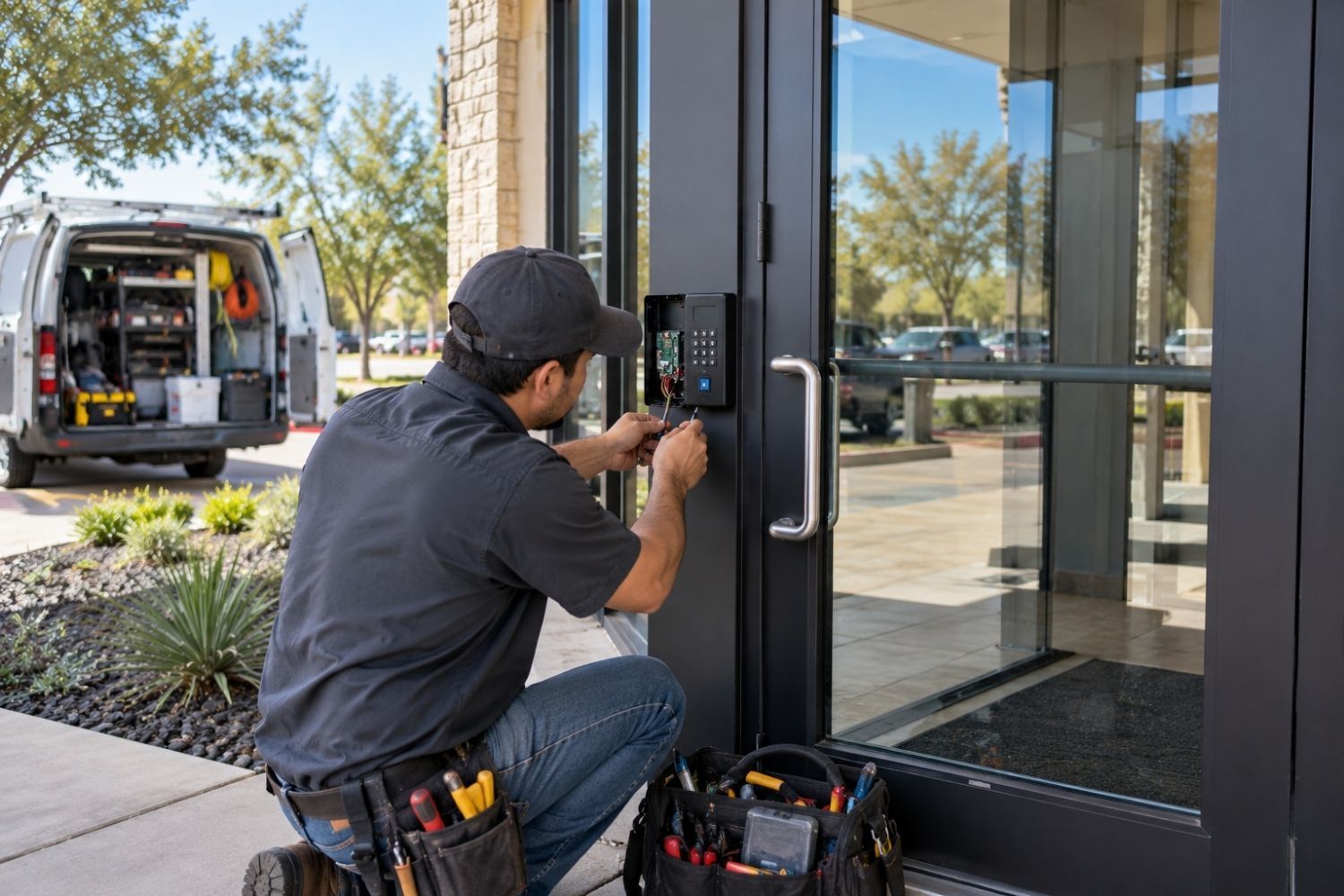
Plumbers, electricians, and skilled tradespeople work in high-risk environments every day. We build coverage around your tools, your vehicles, and your crew — so a job site incident does not stop your business.
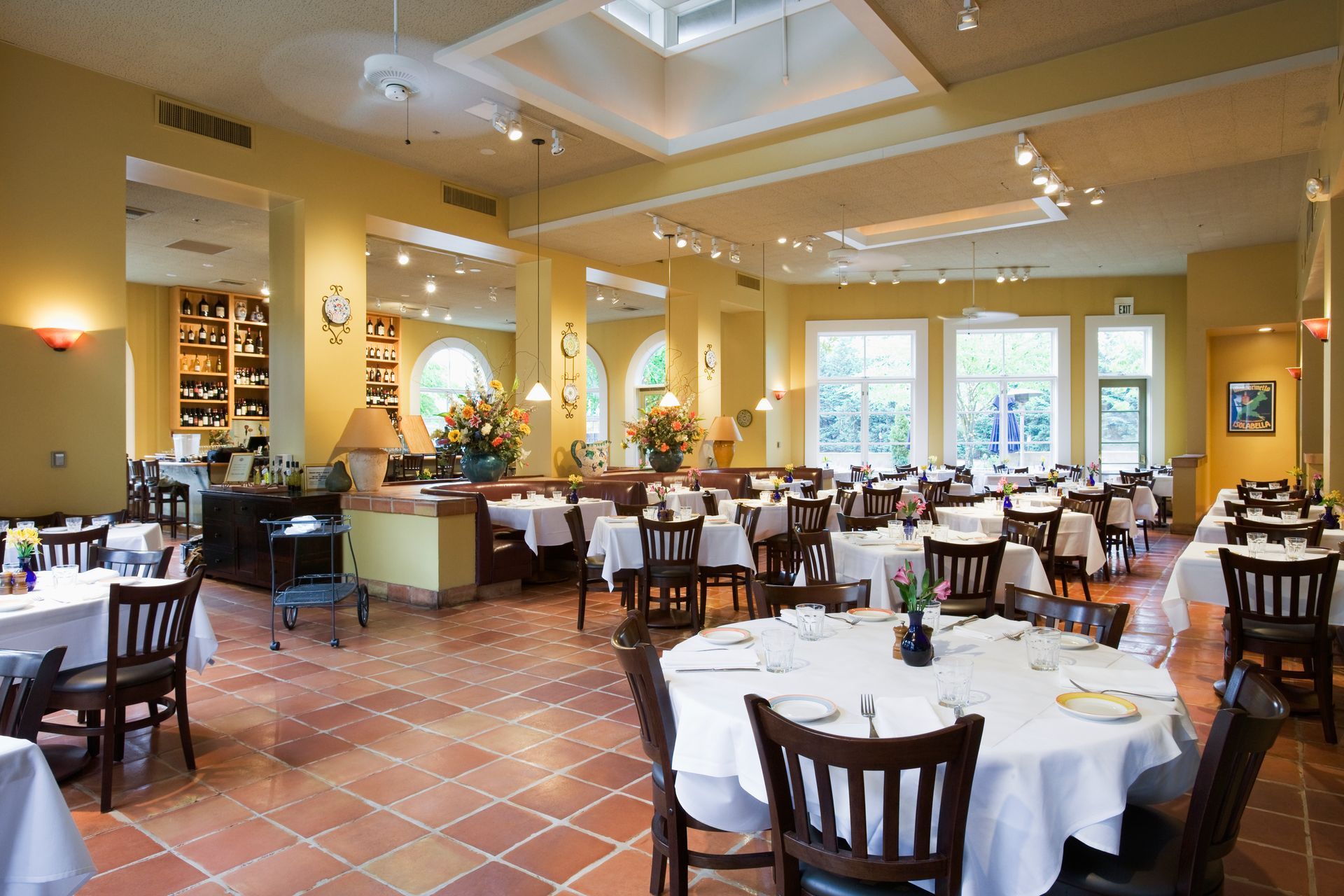
Restaurants & Food Service
Restaurants carry liability on every shift — from the kitchen to the dining room and everything in between. We protect your location, your staff, and your equipment, including lost income when operations stop.

Non-Profits Service
Non-profits face unique liability across events, volunteers, staff, and leadership decisions. We cover your organization from the ground up — so you can focus on your mission, not your exposure.

Event Insurance
Event organizers face liability the moment guests arrive, vendors set up, and alcohol is served. We cover your event from start to finish — so one unexpected incident does not cancel everything you planned for.
Answers Before You Pick Up the Phone
What Texas Businesses Ask Us Most
We get a lot of the same questions from business owners across Texas. Here are honest answers to the ones that come up most.
What information do you need to get a commercial insurance quote?
We keep the process straightforward. We typically need your business name, a description of your operations, your gross annual sales projection, number of full-time and part-time employees, your gross annual payroll, and the types of coverage you are looking for. If you have an existing policy, the expiration date and current carrier help us put together a competitive comparison.
The most important thing you can do is be transparent about what your business actually does. Accurate classification ensures you have real coverage if a claim occurs. We have seen businesses with active policies that were incorrectly classified — and those gaps only surface at the worst possible moment.
Does Texas require businesses to carry Workers' Compensation Insurance?
Texas is the only state in the country that does not require most private employers to carry Workers' Compensation. However, if your business holds government contracts or works as a subcontractor on a job site, the hiring company will almost always require proof of coverage before work begins. A growing number of general contractors across Denton and the DFW area enforce this as a standard condition.
Even without a legal requirement, carrying Workers' Comp protects your business from direct liability if an employee is hurt on the job. Medical bills, lost wages, and legal fees can add up quickly — and one serious incident can create a financial loss that far exceeds years of premium payments.
What is a commercial insurance audit and should I expect one?
Most commercial general liability policies are auditable. At the end of your policy term, the insurance carrier reviews your actual gross sales to make sure your premium matched your real exposure. If your sales grew during the year, you may owe an additional premium. If sales came in lower, you could receive a refund.
The best way to avoid a large balance due at audit time is to update your projected gross sales with us during the year if your business grows faster than expected. We can endorse your policy mid-term to reflect the change and spread any additional premium across smaller installments instead of one lump sum at year-end.
What factors affect how much my commercial coverage will cost?
Your premium is calculated based on several variables specific to your operation — industry classification, gross annual sales, number of employees, gross payroll, claims history, and the types of coverage you need. A business that handles physical work with a crew on job sites will pay differently than a professional services firm working out of an office.
As an independent agency, we compare quotes across multiple carriers — including Travelers, The Hartford, Chubb, AmTrust, and others — to find the combination of coverage and price that works for your situation. There is no obligation after your quote, and we walk through every option in plain terms before you decide anything.
My business is a restaurant — what coverage do I actually need?
Restaurants are not a one-size-fits-all class of risk. Carriers look at a range of factors when evaluating a restaurant account: whether you serve alcohol, whether deep frying is involved, the type of fire suppression system in place, whether you have a hood cleaning contract, and whether you offer catering, delivery, or live entertainment. All of these affect both pricing and carrier appetite.
A well-structured restaurant policy typically includes general liability, building and business personal property coverage, liquor liability if applicable, food contamination coverage, business income protection, and workers' compensation for your staff. We work with carriers that actively want to write restaurant accounts in Texas — including Travelers, The Hartford, and Chubb — so you have real options to compare.
Can you help insure a business that is hard to place or outside the mainstream?
Yes — this is one of our strengths. We work with Excess and Surplus (E&S) lines markets through carriers like Burns & Wilcox for businesses that standard carriers will not write. We have placed coverage for master sign electricians, cable splicing operations, transmission rebuild shops for classic cars, CBD retailers, and many other non-standard accounts.
If you have been told your business is difficult to insure or you have received very limited options in the marketplace, reach out to us. We take time to understand your operations in detail, present your account to the right markets, and work to find coverage that actually reflects what you do — not a generic policy that leaves gaps.
Still have Question?
We’re here to help you!
Written for the Texas Business Owner
Insights That Help You Make Smarter Decisions
We publish articles on real topics that affect how Texas operators get covered — from local regulatory updates to coverage gaps most owners do not know they have.