See How We're Different
Call Us: (940) 268-5112
A hailstorm rolls through Denton on a Tuesday afternoon. By Wednesday morning, a roofing contractor finds his truck windshield shattered, a boutique owner on the Square discovers water damage to her inventory, and a consultant working from a co-working space gets a call from a client threatening to sue over a missed deadline. Three businesses, three very different exposures, and three very different insurance needs. The question of whether a general liability policy or a business owner's policy is the right fit isn't hypothetical here. Denton sits in one of the most active hail corridors in the state, with 184 confirmed hail reports within 25 miles of the city in a recent tracking period. That kind of weather risk, combined with a growing local economy and a steady stream of new businesses, makes choosing the right policy structure a real decision with real financial consequences. If you're a Denton small business owner trying to figure out whether you need a BOP or standalone general liability, this breakdown is built for you.
Protecting Your Denton Business: The Basics of GL and BOP
General liability (GL) and a business owner's policy (BOP) are the two most common starting points for small business insurance in Texas, but they solve different problems. A GL policy covers third-party claims: someone gets hurt on your property, you damage a client's equipment, or you get hit with an advertising injury lawsuit. It's purely liability coverage. A BOP bundles that same liability protection with commercial property insurance and, in most cases, business interruption coverage. Think of it as a package deal designed for smaller operations that need broad protection without buying three or four separate policies.
The distinction matters because your exposure profile dictates which one makes sense. A mobile dog groomer who works out of a van has very different needs than a gift shop owner on Hickory Street. Denton's
industry data shows a diverse mix of retail, professional services, healthcare, and food service businesses, and each of those sectors carries unique risks. Picking the wrong structure doesn't just waste money. It leaves gaps that show up at the worst possible time: right after a loss.
General Liability: The Foundation of Small Business Protection
General liability insurance is the baseline policy most Texas businesses buy first, and for good reason. It responds to the claims that can sink a small company overnight: a customer slipping on a wet floor, a delivery driver backing into a client's fence, or a competitor alleging you stole their marketing copy. Most GL policies are written on a $1 million per-occurrence / $2 million aggregate limit structure, though you can adjust those numbers based on your risk.
Premiums for standalone GL in Texas typically fall between $400 and $1,500 per year for small businesses, depending on your industry, revenue, and claims history. A home-based bookkeeper will pay far less than a catering company that sets up at event venues every weekend.
Coverage for Bodily Injury and Property Damage
This is the core of any GL policy. If a client visits your Denton office and trips over a cable, your GL policy covers their medical bills and any resulting lawsuit. If your employee accidentally damages a customer's property while performing a service, the same policy responds. The key detail most business owners miss is that GL covers defense costs even if the claim turns out to be frivolous. In Texas, where lawsuit frequency remains among the highest in the country, that defense cost coverage alone can justify the premium.
One nuance worth understanding: most GL policies pay defense costs outside the policy limits, meaning your $1 million per-occurrence cap stays intact even while your insurer is paying attorneys. Not all policies work this way, though. Some carriers write defense costs inside the limits, which eats into your available coverage. Always ask which structure a quote uses before you sign.
Personal and Advertising Injury Claims
This part of GL coverage gets overlooked constantly. Personal and advertising injury covers claims like libel, slander, copyright infringement in your advertising, and wrongful eviction (if you're a landlord). A Denton marketing agency that accidentally uses a competitor's tagline in a Facebook ad could face a cease-and-desist letter and a lawsuit. That's an advertising injury claim, and your GL policy handles it.
These claims are less common than slip-and-fall incidents, but they tend to be expensive when they do happen. Legal fees for intellectual property disputes can climb past $50,000 quickly, even for small cases.
Business Owner's Policy (BOP): The All-in-One Solution
A BOP takes everything in a general liability policy and wraps it together with commercial property coverage and business interruption insurance. Carriers like Nationwide, Travelers, and Chubb design BOPs specifically for small to mid-sized businesses, and the bundled pricing is almost always cheaper than buying each coverage separately. For a typical Denton retail shop or professional office, BOP premiums run between $1,000 and $3,500 per year.
The trade-off is that BOPs come with eligibility requirements. Most carriers cap annual revenue (often at $5 million or less) and square footage (usually under 25,000 square feet). High-risk industries like bars, contractors, and manufacturers are typically excluded from BOP eligibility and need standalone policies instead.
Bundling Property Insurance with Liability
The property component of a BOP covers your building (if you own it), your business personal property (equipment, inventory, furniture), and often your signage and outdoor fixtures. This is where Denton's weather risk becomes directly relevant. Texas insurance costs have been climbing sharply due to severe weather and catastrophic claims, and commercial property is no exception.
If you lease a retail space near UNT or on the Square, your landlord's insurance covers the building structure, but it does not cover your stuff inside. A BOP protects your inventory, your point-of-sale system, your furniture, and your tenant improvements. Without it, a burst pipe or hail-driven roof leak could cost you tens of thousands out of pocket.
Business Interruption Coverage for Local Disruptions
This is the coverage most business owners don't think about until they need it desperately. Business interruption (sometimes called business income coverage) pays your ongoing expenses, like rent, payroll, and loan payments, when a covered event forces you to close temporarily. If a windstorm damages your Denton storefront and you can't open for three weeks, this coverage keeps the lights on financially while repairs happen.
The trigger matters here. Business interruption only kicks in when the closure is caused by a covered property loss. A government-ordered shutdown for reasons unrelated to property damage (think pandemic closures) typically wouldn't qualify. That said, for weather-related events, which are Denton's primary threat, this coverage is a lifeline.
Side-by-Side Comparison: General Liability vs. BOP
Understanding the structural differences between these two options is easier when you see them next to each other. The table below captures the most important distinctions for a Denton small business weighing a BOP against standalone general liability.
Comparison Table: Features and Coverage Limits
| Feature | General Liability (Standalone) | Business Owner's Policy (BOP) |
|---|---|---|
| Bodily Injury / Property Damage | Included | Included |
| Personal / Advertising Injury | Included | Included |
| Commercial Property Coverage | Not included | Included |
| Business Interruption | Not included | Included |
| Typical Annual Premium (Denton) | $400 - $1,500 | $1,000 - $3,500 |
| Common Limits | $1M per occurrence / $2M aggregate | $1M per occurrence / $2M aggregate (liability); varies for property |
| Best For | Service-based, home-based, or mobile businesses | Retail, office-based, or businesses with physical inventory |
| Eligibility Restrictions | Few | Revenue and square footage caps apply |
The price difference between a standalone GL and a BOP is often smaller than people expect. If you need property coverage anyway, buying it separately alongside a GL policy almost always costs more than bundling through a BOP.
Choosing the Right Policy for Denton Industries
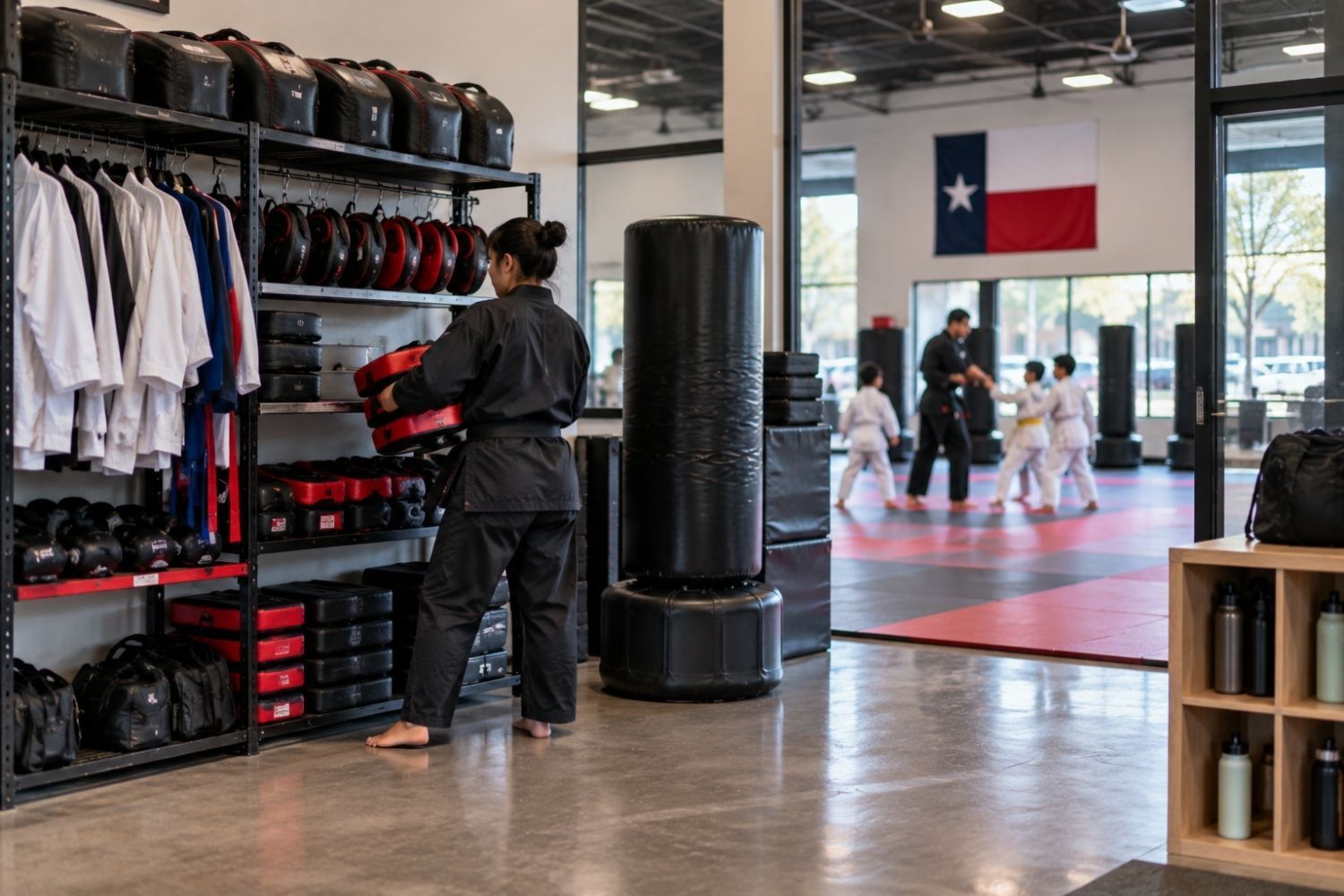
The right choice depends less on what sounds better and more on what you actually own and where you work. A freelance photographer who shoots on location and stores gear at home has a fundamentally different risk profile than a yoga studio owner who leases 2,000 square feet on University Drive.
When a Standalone GL Policy is Enough
Standalone general liability makes sense when you don't have significant business property to protect. This typically includes:
- Home-based consultants and freelancers whose personal homeowner's policy covers their equipment
- Mobile service providers (pet sitters, tutors, notaries) who work at client locations
- Brand-new businesses testing a concept before investing in a physical space
- Contractors who need GL for licensing but carry separate inland marine coverage for tools and equipment
If your business doesn't own or lease commercial space and doesn't maintain inventory, a GL policy gives you the liability protection you need without paying for property coverage you won't use.
Why Retailers and Office-Based Businesses Prefer a BOP
Any business with a physical location, inventory, or expensive equipment should seriously consider a BOP. The math is straightforward. A standalone GL policy at $900 per year plus a separate commercial property policy at $1,500 per year totals $2,400. A BOP covering the same exposures might run $1,800 to $2,200, and it includes business interruption coverage that the separate policies wouldn't.
Denton Business Insurance works with carriers like Nationwide and Travelers to build BOP packages tailored to local businesses, which means your policy reflects Denton-specific risks rather than generic national underwriting. An independent agency can compare quotes across multiple carriers to find the best combination of coverage and price, something a single-carrier agent simply can't do. You can
get a quote or ask questions directly through their site.
Common Questions About Texas Business Insurance
FAQ: Real Answers for Local Entrepreneurs
Does Texas require businesses to carry general liability insurance? No. Texas doesn't mandate GL coverage for most businesses. That said, many landlords, clients, and licensing boards require proof of GL before they'll work with you. Going without it is legal but risky.
Is workers' comp required in Texas? Texas is the only state where workers' compensation insurance is optional for private employers. If you choose not to carry it (called being a "non-subscriber"), you lose important legal protections against employee injury lawsuits. Most businesses with employees should carry it.
Can I add cyber liability to a BOP? Yes. Most carriers offer cyber liability as an endorsement to a BOP. If your business handles customer data, credit card numbers, or email lists, this add-on is worth the extra $200 to $500 per year.
What's the difference between "inside" and "outside" defense costs? If defense costs are "inside" the limits, attorney fees reduce your available coverage. If they're "outside," your full policy limit stays intact for the actual claim. Always ask which structure your policy uses.
How do I know if my business qualifies for a BOP? Most carriers require annual revenue under $5 million and premises under 25,000 square feet. High-risk industries like nightclubs and heavy construction are usually excluded. An independent agent can tell you quickly whether you qualify.
Does a BOP cover flood damage?
No. Flood damage requires a separate flood insurance policy in Texas. Given that
severe weather losses continue driving insurance costs higher across the state, flood coverage is worth discussing with your agent if your location sits in or near a flood zone.
Making the Right Choice for Your Long-Term Growth
Picking between a BOP and general liability isn't a permanent decision. Your business will change, and your coverage should change with it. A consultant who starts from a home office might need only a GL policy today but could need a full BOP within a year after signing a lease on a commercial space.
The smartest move is to get your coverage structure right from the start and revisit it annually. Look beyond the premium number. Check your deductibles, read the exclusions list, and confirm whether defense costs sit inside or outside your limits. These details determine whether your policy actually protects you or just looks good on a certificate of insurance.
If you're in Denton and unsure where to start, talking to an independent agency like
Denton Business Insurance gives you access to quotes from multiple carriers without the pressure of a single-company sales pitch. Get the right policy now so you can focus on running your business instead of worrying about what happens when something goes wrong.
ABOUT THE AUTHOR:
DAVID CALL
I'm the founder of Denton Business Insurance, a local independent agency serving commercial clients across Denton and the state of Texas. With a hands-on approach to commercial risk, I help business owners — from contractors and restaurateurs to property managers and manufacturers — find the right coverage without the guesswork of working with a single-carrier agent.