Corinth, Texas General Liability Insurance

See How We're Different
Call Us: (940) 268-5112
A pipe bursts in your retail shop on a Saturday afternoon, sending water flooding into a neighboring suite. The tenant next door is already on the phone with their lawyer before your mop hits the floor. This is the kind of scenario that can turn a $200 plumbing repair into a $40,000 legal headache, and it happens more often than most Corinth business owners expect. General liability insurance exists for exactly these moments: the ones that blindside you on an otherwise normal workday.
Corinth sits in one of the fastest-growing corridors of Denton County, with new commercial developments popping up along I-35E and FM 2181 every year. That growth brings opportunity, but it also brings exposure. More foot traffic, more contracts, more lease agreements, and more chances for something to go wrong. If you operate a business here, whether it's a landscaping crew, a boutique on Main Street, or a consulting firm, understanding how liability coverage works in this part of North Texas isn't optional. It's how you keep your doors open when the unexpected shows up.
Texas is the
second-largest insurance market in the U.S. and the fifth-largest in the world, managing roughly $293.9 billion. That means plenty of carriers compete for your business, which is good news for pricing but can make choosing the right policy feel overwhelming.
The Role of General Liability Insurance for Corinth Small Businesses
General liability insurance is the foundation of commercial coverage for small businesses. It responds to third-party claims: someone outside your company who says your business caused them harm or damaged their property. Without it, you're personally on the hook for legal fees, medical bills, and settlements. In a state like Texas, where jury awards tend to run high (Dallas County alone has seen multi-million-dollar verdicts in premises liability cases), going without this coverage is a serious gamble.
For Corinth businesses, a general liability policy is often the first thing a landlord, client, or municipality will ask to see before signing any agreement. It signals that your business is legitimate and financially prepared to handle problems.
Protecting Local Assets in Denton County
Corinth's location within Denton County means your business assets are tied to a region experiencing rapid appreciation. Commercial property values along the I-35E corridor have climbed steadily, and a single uninsured claim could wipe out years of equity and growth. A general liability policy protects not just your physical location but also the personal assets of business owners who haven't fully separated their business and personal finances.
One thing to keep in mind: Texas is the only state where workers' compensation is optional for private employers. If you've chosen to be a non-subscriber, your liability exposure increases significantly because injured employees may sue you directly. A general liability policy won't cover employee injuries (that's a workers' comp issue), but understanding the full picture of your risk is critical before deciding on coverage limits.
Common Risks for Corinth Business Owners
The risks you face depend on your industry, but some patterns are consistent across Corinth businesses:
- Slip-and-fall injuries at storefronts, especially during icy conditions (remember Winter Storm Uri in 2021, and the freeze events that have followed)
- Property damage caused by contractors working on neighboring sites
- Customer injuries from products sold or services rendered
- Advertising claims, like accidentally using a competitor's trademarked phrase in your marketing
A restaurant on South Corinth Street faces different exposures than a home remodeling contractor, but both need a baseline of liability protection. The key is matching your policy to your actual risk profile rather than buying the cheapest option available.

By: Linda Dodson
Agency Director at
Denton Business Insurance
Core Coverage Components of a General Liability Policy
A standard general liability policy is built around three main coverage areas. Understanding what each one does, and what it doesn't cover, helps you avoid the gaps that catch business owners off guard during a claim.
Bodily Injury and Property Damage Claims
This is the core of any GL policy. If a customer trips over a display in your store and breaks their wrist, or if your employee accidentally damages a client's property while performing a service call, this coverage responds. It pays for medical expenses, legal defense, and any settlement or judgment.
Most policies in the Corinth area are written with a $1 million per-occurrence limit and a $2 million aggregate. That means the policy will pay up to $1 million for any single incident and up to $2 million total during the policy period. For many small businesses, these standard limits are sufficient, but contractors and businesses with higher foot traffic may want to consider an umbrella policy for additional protection.
Personal and Advertising Injury Protection
This coverage is often overlooked, but it matters more than most people realize. Personal and advertising injury covers claims like libel, slander, copyright infringement, and false advertising. If a competitor claims your Google Ads campaign uses their trademarked slogan, this is the part of your policy that kicks in.
For Corinth businesses doing local digital marketing, running social media campaigns, or producing print advertising, this coverage is not just a nice-to-have. A cease-and-desist letter from an attorney can escalate quickly, and legal defense costs alone can run $10,000 to $50,000 before a case even reaches court.
Medical Payments and Legal Defense Costs
Medical payments coverage (often called "med pay") is a smaller sub-limit, typically $5,000 to $10,000, that pays for minor injuries to third parties regardless of fault. If someone gets a small cut at your place of business, med pay handles the urgent care bill without a lawsuit ever being filed. It's a goodwill coverage that prevents small incidents from becoming big claims.
Legal defense costs are where the real financial protection lives. Here's a detail many business owners miss: some policies include defense costs inside the policy limit, which means every dollar spent on lawyers reduces the amount available for a settlement. Better policies cover defense costs outside the limit. When comparing quotes, this distinction alone can be worth thousands of dollars in a serious claim. An independent agency like Denton Business Insurance can help you spot these differences across carriers, since they're rarely highlighted in a standard quote summary.
| Coverage Component | What It Covers | Typical Limit |
|---|---|---|
| Bodily Injury/Property Damage | Third-party injuries, damage to others' property | $1M per occurrence / $2M aggregate |
| Personal & Advertising Injury | Libel, slander, copyright infringement | $1M per occurrence |
| Medical Payments | Minor injuries regardless of fault | $5,000 - $10,000 |
| Legal Defense | Attorney fees, court costs | Inside or outside policy limits |
Premiums for general liability coverage in Corinth typically range from $400 to $1,500 per year for small businesses, though contractors and higher-risk operations can see quotes well above that range. Several factors determine where you fall on that spectrum.
Industry Risk Classification and Business Size
Insurance carriers assign every business a classification code based on its industry. A bookkeeping firm and a roofing contractor operate in completely different risk categories, and their premiums reflect that. Your annual revenue, number of employees, and square footage of your workspace all factor into the calculation.
A solo consultant working from a home office in Corinth might pay as little as $350 to $500 annually. A general contractor with a five-person crew and $750,000 in annual revenue could be looking at $2,000 to $4,000 or more. The classification system isn't always intuitive, so it's worth verifying that your carrier has coded your business correctly. Misclassification is one of the most common reasons businesses overpay for coverage.
Claims History and Coverage Limits
Your claims history over the past three to five years has a direct impact on your premium. Even a single paid claim can increase your rate at renewal. Carriers also look at the nature of the claim: a slip-and-fall payout raises more red flags than a minor property damage incident.
Choosing higher coverage limits naturally increases your premium, but the cost difference between $500,000 and $1 million in per-occurrence coverage is often surprisingly small, sometimes only $100 to $200 per year. Skimping on limits to save a few dollars is one of the most common mistakes we see business owners make. The savings rarely justify the risk.
Why Corinth Contractors and Retailers Need Specialized Coverage
Contractors and retailers face unique liability exposures that go beyond what a standard GL policy covers out of the box. If you're in either of these industries, paying attention to endorsements and additional insured requirements can save you from a coverage gap at the worst possible time.
Meeting Texas Commercial Lease Requirements
Almost every commercial lease in Corinth and the broader Denton County area requires tenants to carry general liability insurance with specific minimum limits. Landlords typically require $1 million per occurrence and want to be listed as an additional insured on your policy. Failing to provide a certificate of insurance (COI) that meets these requirements can delay your lease signing or, worse, put you in breach of your lease terms.
Retailers leasing space in shopping centers along I-35E should also check whether their lease requires product liability coverage or business interruption insurance. These are separate from general liability but are often bundled together in a business owner's policy.
Securing Municipal Contracts and Permits
If you're a contractor bidding on work for the City of Corinth or Denton County, you'll need to show proof of general liability insurance before your bid is even considered. Municipal contracts typically require higher limits: $1 million per occurrence and $2 million aggregate at minimum, with some projects requiring a $5 million umbrella.
Permit requirements for construction and renovation work in Corinth also reference insurance. The city wants to know that if something goes wrong on a job site, there's a policy in place to cover damages. Having your COI ready to submit with your permit application speeds up the process and signals professionalism.
How to Select the Right Insurance Provider in Corinth
Choosing a carrier is about more than finding the lowest quote. The quality of your coverage, the speed of claim handling, and the financial stability of the insurer all matter when you actually need the policy to perform.
Comparing Local Agencies vs. National Carriers
A national carrier like GEICO or Progressive might offer quick online quotes, but those policies are often one-size-fits-all. Local independent agencies have the advantage of comparing multiple carriers side by side. Denton Business Insurance, for example, works with carriers like Nationwide, Travelers, Mercury, Germania, and Chubb, so they can match your specific risk profile to the right insurer rather than forcing you into a single company's product.
When evaluating any carrier, check their A.M. Best rating. You want a carrier rated A- or better, which indicates strong financial stability and the ability to pay claims. A cheap policy from a financially shaky carrier is worse than no policy at all if they can't pay when it counts.
Bundling with Business Owner's Policies (BOP)
A business owner's policy bundles general liability with commercial property insurance, and often includes business interruption coverage. For most Corinth small businesses, a BOP is the most cost-effective way to get comprehensive protection. Bundling typically saves 10% to 15% compared to buying each policy separately.
A BOP makes particular sense for retail shops, restaurants, and office-based businesses. Contractors usually need more specialized coverage and may be better served by standalone policies with targeted endorsements like inland marine for tools and equipment.
Frequently Asked Questions
How much does general liability insurance cost in Corinth? Most small businesses pay between $400 and $1,500 per year. Contractors and higher-risk industries may pay more depending on revenue and claims history.
Do I need general liability insurance if I work from home? Yes. Your homeowner's policy almost certainly excludes business-related claims. Even a home-based consultant should carry a GL policy.
What's the difference between general liability and professional liability? General liability covers bodily injury and property damage. Professional liability (errors and omissions) covers mistakes in your professional services or advice.
Can I get same-day proof of insurance? Most carriers can issue a certificate of insurance within 24 hours, and many independent agencies can do it the same day.
Does general liability cover employee injuries?
No. Employee injuries are covered under workers' compensation, which is optional in Texas but highly recommended.
Making the Right Choice for Your Corinth Business
Getting general liability insurance in Corinth, Texas isn't about checking a box. It's about making sure one bad day doesn't undo years of hard work. The right policy protects your assets, satisfies your lease and contract requirements, and gives you the confidence to focus on growing your business instead of worrying about what could go wrong.
Take time to compare not just premiums but deductibles, defense cost structures, and carrier financial ratings. If you're unsure where to start, reach out to Denton Business Insurance for a no-obligation quote. As an independent agency based right here in Denton County, they can walk you through your options across multiple carriers and help you find coverage that actually fits your business, not just your budget.
Straight from the Clients We Serve
Texas Business Owners Rate Us 5 Stars — Here Is Why
We hear the same things repeatedly: fast service, honest advice, and coverage that made sense for their situation. That is what we aim for every time.
Protection Across Every Area of Your BUSINESS
What Texas Businesses Need. What We Deliver.
From your job site and your fleet to your data and your payroll — we cover the risks that Texas businesses carry every day.
General Liability
Covers third-party claims of bodily injury, property damage, and advertising injury. A foundational protection for nearly every Texas business, regardless of industry or size.
Commercial Property
Covers your building, equipment, inventory, and business contents against fire, theft, storms, and vandalism. Can also include lost income if your businesses are forced to stop.
Commercial Auto
Protects vehicles your company owns, leases, or uses for work. Covers liability, collision damage, and injuries for employees driving on company time.
Errors & Omissions
Protects service providers when a client claims your advice, work, or recommendations caused them a financial loss. Critical for consultants, IT firms, agents, and other professional service businesses.
Directors & Officers
Covers leadership decisions that result in claims from employees, investors, or outside parties. Protects your directors and officers personally when management decisions are challenged.
Inland Marine & Equipment Floater
Covers tools, materials, and equipment that move between job sites or are stored off your primary property. Fills the gap where a standard commercial property policy stops.
Every Sector Has Its Own Risk Profile
We Know Your Trade. We Know Your Exposure.
We work with a wide range of Texas industries — each with different coverage priorities. Below are the sectors we serve most often.

Apartment Complexes
Texas apartment owners face liability across common areas, tenant incidents, and on-site staff. We cover your property, your income, and your exposure — across one complex or an entire portfolio.
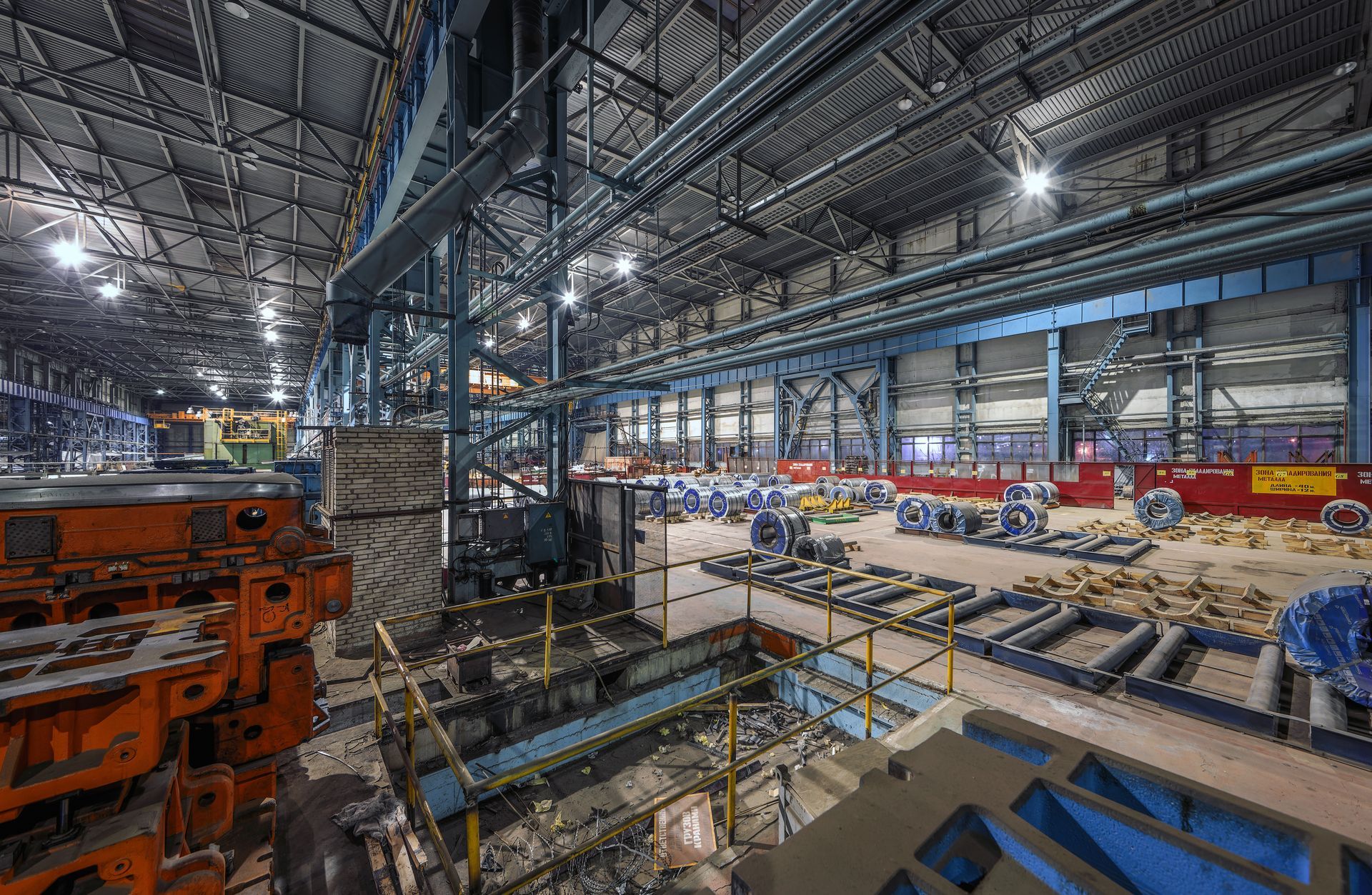
Manufacturing Businesses
Equipment breakdowns, product liability, and workforce injuries are daily risks for Texas manufacturers. We build coverage from the shop floor to the loading dock — so one incident does not shut you down.
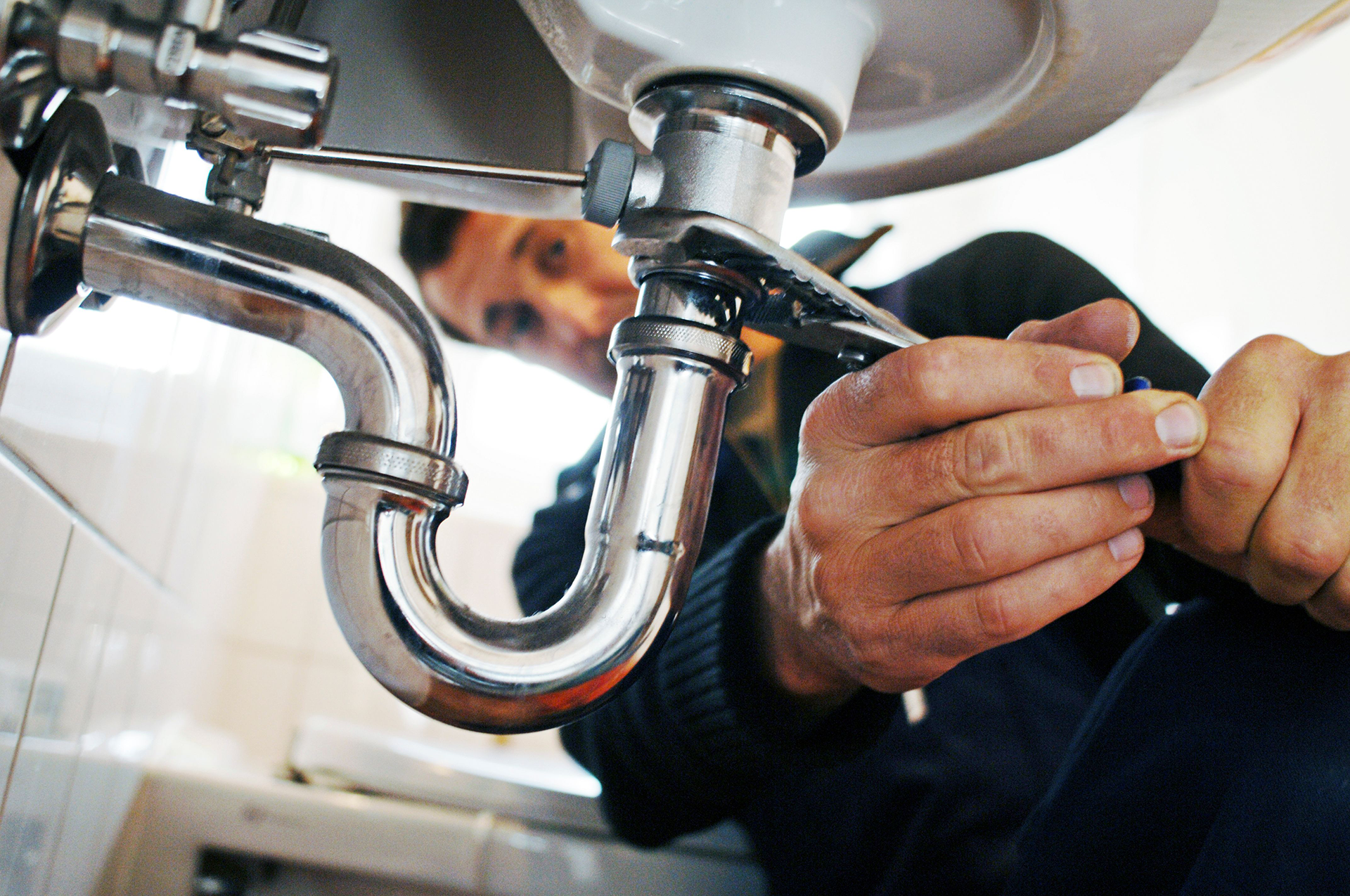
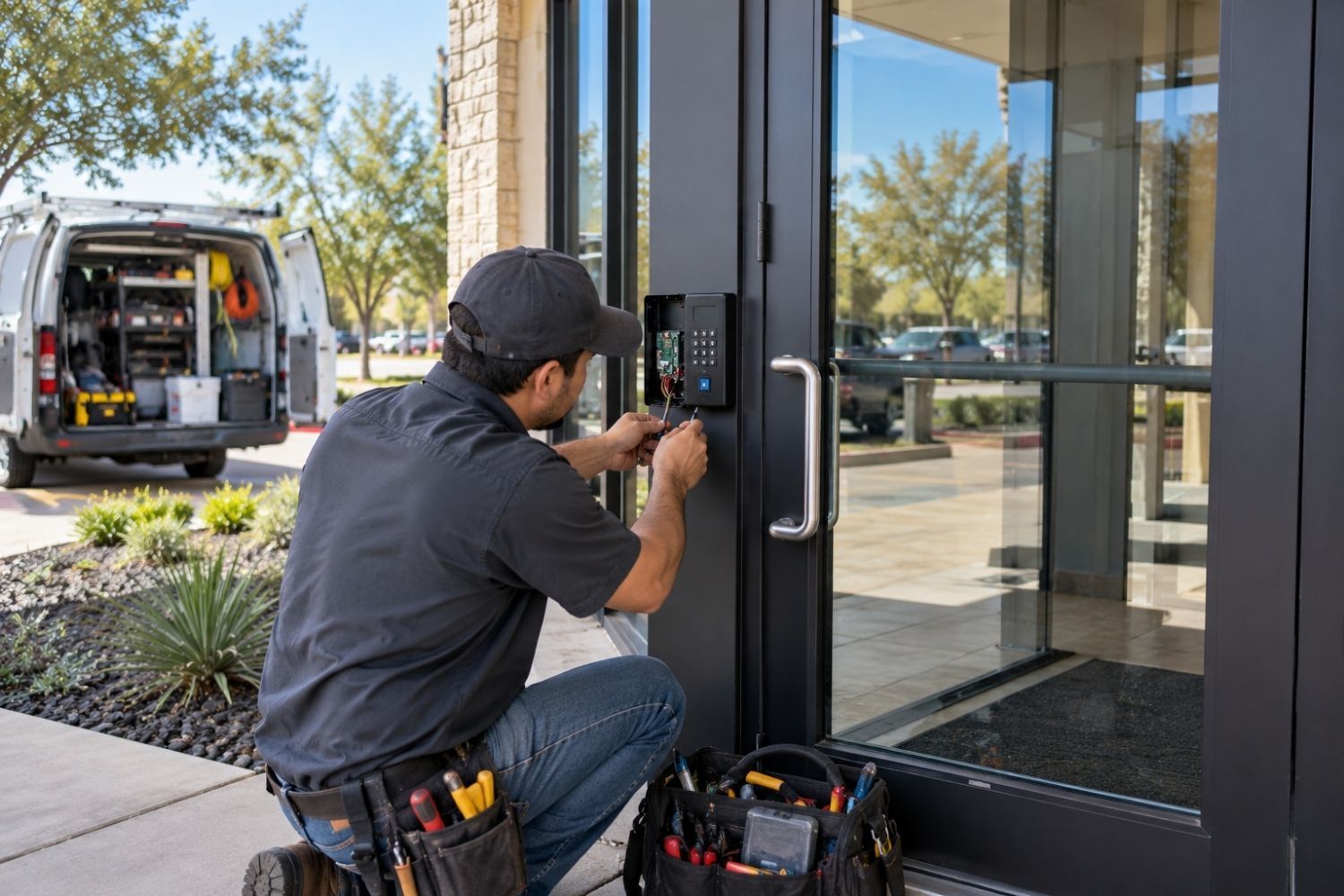
Artisan Contractors
Plumbers, electricians, and skilled tradespeople work in high-risk environments every day. We build coverage around your tools, your vehicles, and your crew — so a job site incident does not stop your business.
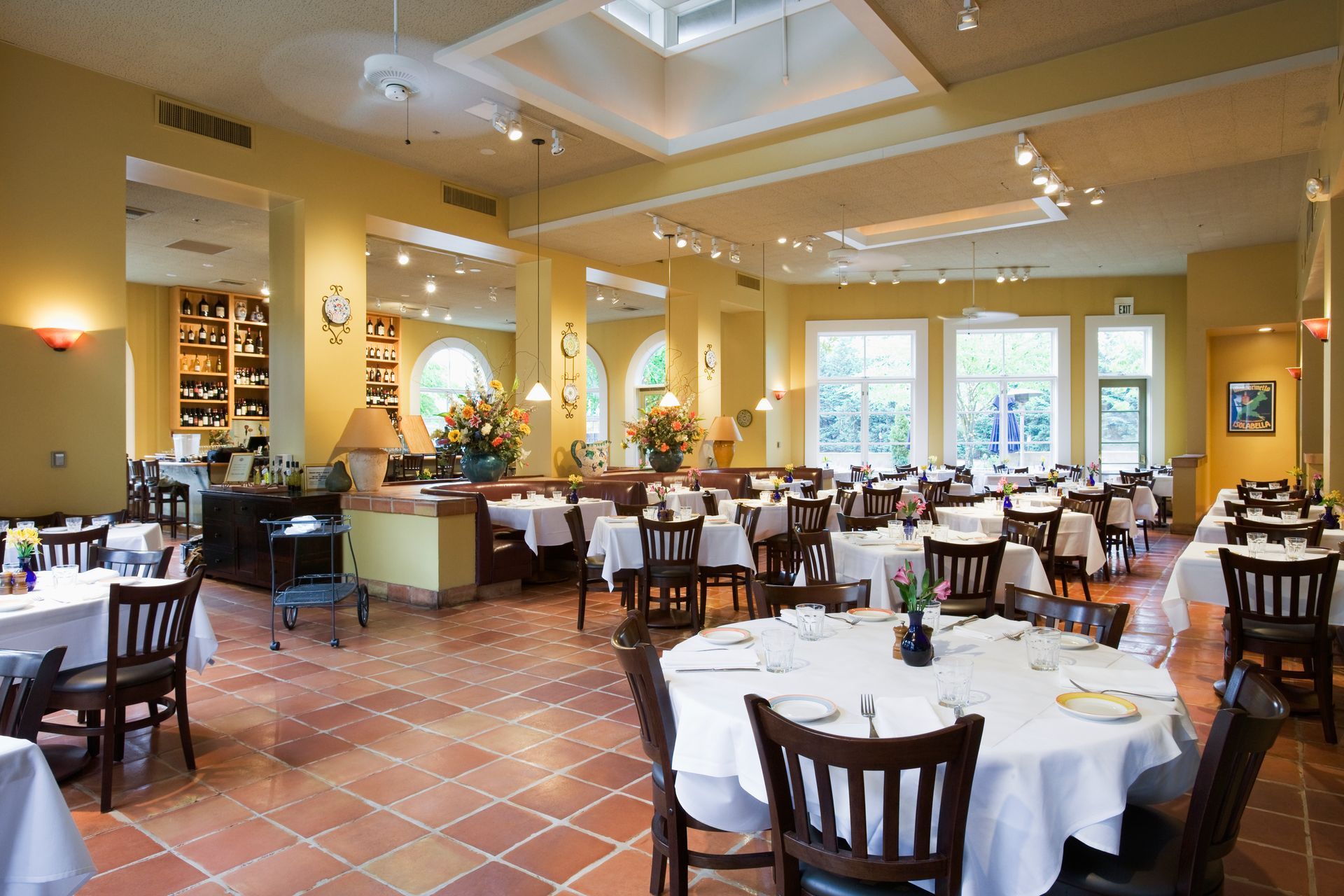
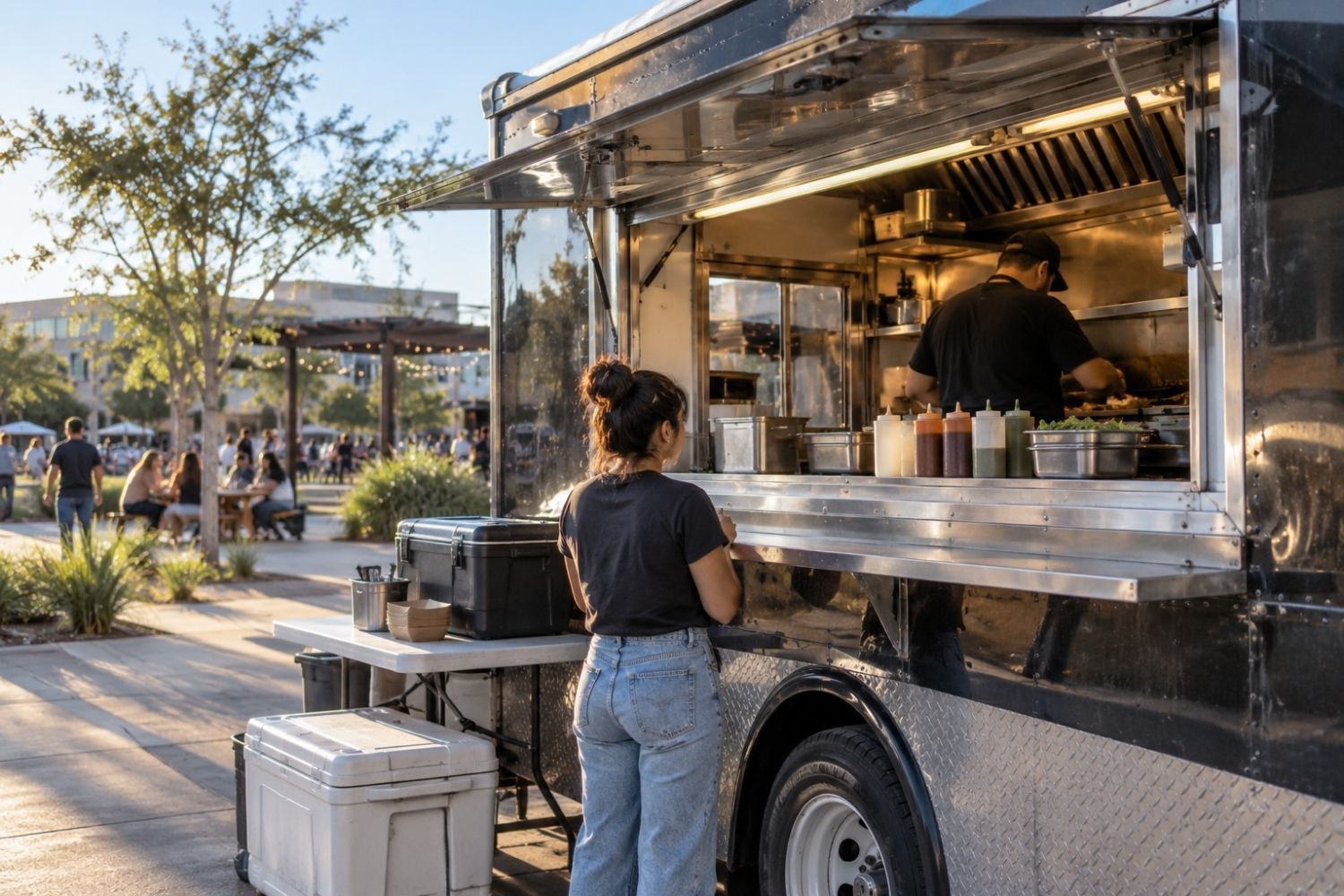
Restaurants & Food Service
Restaurants carry liability on every shift — from the kitchen to the dining room and everything in between. We protect your location, your staff, and your equipment, including lost income when operations stop.

Non-Profits Service
Non-profits face unique liability across events, volunteers, staff, and leadership decisions. We cover your organization from the ground up — so you can focus on your mission, not your exposure.

Event Insurance
Event organizers face liability the moment guests arrive, vendors set up, and alcohol is served. We cover your event from start to finish — so one unexpected incident does not cancel everything you planned for.
Answers Before You Pick Up the Phone
What Texas Businesses Ask Us Most
We get a lot of the same questions from business owners across Texas. Here are honest answers to the ones that come up most.
What information do you need to get a commercial insurance quote?
We keep the process straightforward. We typically need your business name, a description of your operations, your gross annual sales projection, number of full-time and part-time employees, your gross annual payroll, and the types of coverage you are looking for. If you have an existing policy, the expiration date and current carrier help us put together a competitive comparison.
The most important thing you can do is be transparent about what your business actually does. Accurate classification ensures you have real coverage if a claim occurs. We have seen businesses with active policies that were incorrectly classified — and those gaps only surface at the worst possible moment.
Does Texas require businesses to carry Workers' Compensation Insurance?
Texas is the only state in the country that does not require most private employers to carry Workers' Compensation. However, if your business holds government contracts or works as a subcontractor on a job site, the hiring company will almost always require proof of coverage before work begins. A growing number of general contractors across Denton and the DFW area enforce this as a standard condition.
Even without a legal requirement, carrying Workers' Comp protects your business from direct liability if an employee is hurt on the job. Medical bills, lost wages, and legal fees can add up quickly — and one serious incident can create a financial loss that far exceeds years of premium payments.
What is a commercial insurance audit and should I expect one?
Most commercial general liability policies are auditable. At the end of your policy term, the insurance carrier reviews your actual gross sales to make sure your premium matched your real exposure. If your sales grew during the year, you may owe an additional premium. If sales came in lower, you could receive a refund.
The best way to avoid a large balance due at audit time is to update your projected gross sales with us during the year if your business grows faster than expected. We can endorse your policy mid-term to reflect the change and spread any additional premium across smaller installments instead of one lump sum at year-end.
What factors affect how much my commercial coverage will cost?
Your premium is calculated based on several variables specific to your operation — industry classification, gross annual sales, number of employees, gross payroll, claims history, and the types of coverage you need. A business that handles physical work with a crew on job sites will pay differently than a professional services firm working out of an office.
As an independent agency, we compare quotes across multiple carriers — including Travelers, The Hartford, Chubb, AmTrust, and others — to find the combination of coverage and price that works for your situation. There is no obligation after your quote, and we walk through every option in plain terms before you decide anything.
My business is a restaurant — what coverage do I actually need?
Restaurants are not a one-size-fits-all class of risk. Carriers look at a range of factors when evaluating a restaurant account: whether you serve alcohol, whether deep frying is involved, the type of fire suppression system in place, whether you have a hood cleaning contract, and whether you offer catering, delivery, or live entertainment. All of these affect both pricing and carrier appetite.
A well-structured restaurant policy typically includes general liability, building and business personal property coverage, liquor liability if applicable, food contamination coverage, business income protection, and workers' compensation for your staff. We work with carriers that actively want to write restaurant accounts in Texas — including Travelers, The Hartford, and Chubb — so you have real options to compare.
Can you help insure a business that is hard to place or outside the mainstream?
Yes — this is one of our strengths. We work with Excess and Surplus (E&S) lines markets through carriers like Burns & Wilcox for businesses that standard carriers will not write. We have placed coverage for master sign electricians, cable splicing operations, transmission rebuild shops for classic cars, CBD retailers, and many other non-standard accounts.
If you have been told your business is difficult to insure or you have received very limited options in the marketplace, reach out to us. We take time to understand your operations in detail, present your account to the right markets, and work to find coverage that actually reflects what you do — not a generic policy that leaves gaps.
Still have Question?
We’re here to help you!
Written for the Texas Business Owner
Insights That Help You Make Smarter Decisions
We publish articles on real topics that affect how Texas operators get covered — from local regulatory updates to coverage gaps most owners do not know they have.