
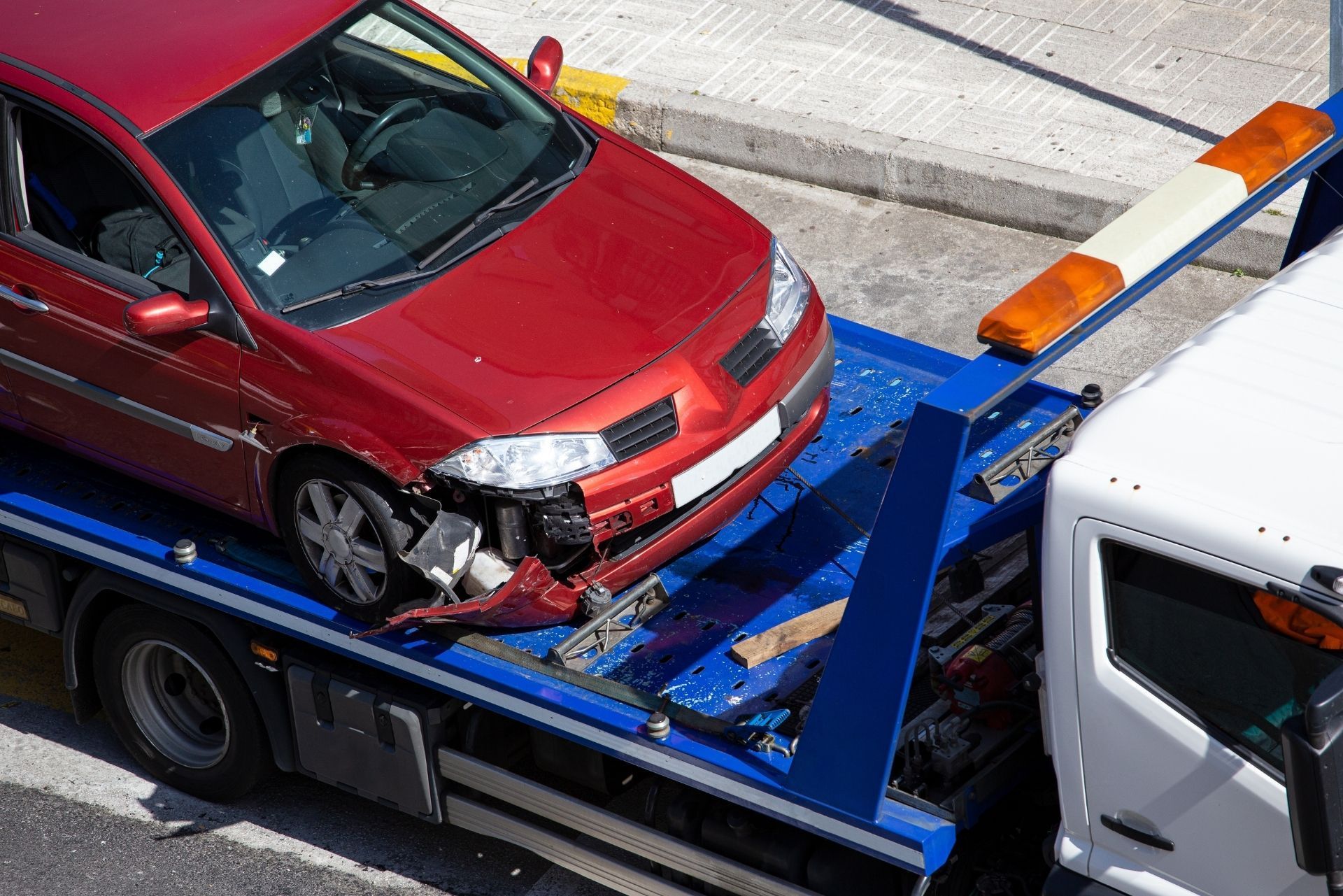
A flatbed hauling a wrecked sedan on I-35 during rush hour. A rotator recovering an overturned 18-wheeler on a rural stretch of US-287. A wheel-lift pulling an illegally parked car from a private lot in Dallas at 2 a.m. Each of these scenarios carries a different risk profile, and each one demands specific insurance coverage that most standard commercial auto policies don't come close to addressing.
Texas towing operations face a unique combination of
regulatory requirements,
high-value cargo exposure, and roadside hazards that make proper insurance coverage non-negotiable. The state's towing laws are enforced by the Texas Department of Licensing and Regulation (TDLR), and the insurance minimums are significantly higher than what you'd see for a typical
commercial vehicle. If you're running a tow truck business in Texas, or thinking about starting one, getting the insurance piece right from day one will save you from the kind of
financial hit that shuts companies down. This guide breaks down what Texas requires, what smart operators actually carry, and where most towing businesses leave dangerous gaps in their coverage.
Texas Towing Industry Regulations and Licensing
Texas regulates towing companies more tightly than many other states. The TDLR oversees licensing, fee structures, and operational standards for every tow company and individual operator in the state. Before a single truck rolls out, you need a towing company license, and every operator behind the wheel needs their own individual TDLR license. The application process involves background checks, proof of insurance, and equipment inspections that must be completed before you can legally operate.
Penalties for operating without proper licensing are steep. TDLR can issue fines, revoke licenses, and even impound your equipment. The state takes this seriously because towing directly impacts public safety, consumer protection, and traffic management.
TDLR Requirements for Towing Companies
Every towing company in Texas must maintain a TDLR license that's renewed annually. This includes submitting proof of current insurance that meets or exceeds state minimums, maintaining a physical business location (not just a P.O. box), and ensuring all operators hold valid individual licenses. Your trucks must also meet specific equipment standards, including proper lighting, safety chains, and towing apparatus appropriate for the vehicle class you're hauling.
Record-keeping matters too. TDLR requires towing companies to maintain detailed logs of every tow, including the reason, the requesting party, fees charged, and the vehicle storage location. Sloppy documentation is one of the fastest ways to trigger an audit or complaint investigation.
Differences Between Consent and Non-Consent Towing
This distinction is critical because it directly affects your insurance requirements and your legal exposure. Consent towing is when the vehicle owner requests the tow: think roadside assistance, breakdowns, or dealer transport. Non-consent towing is when someone else authorizes the tow, typically a property owner, law enforcement, or a parking management company.
Non-consent towing carries higher liability because you're taking possession of someone's vehicle without their direct approval. Texas law imposes stricter rules on non-consent operations, including specific signage requirements on private property, maximum fee schedules, and mandatory notification to law enforcement within certain timeframes. Your insurance minimums are also higher for non-consent work, and the legal framework around towing leases and authorization has been updated in recent legislative sessions.

By: Linda Dodson
Agency Director at
Denton Business Insurance
Essential Insurance Coverages for Texas Tow Trucks
Standard commercial auto insurance won't cut it for a towing operation. Tow trucks need specialized coverages that account for the vehicles you're hauling, the equipment you're using, and the unique risks of working on active roadways. Missing even one of these coverages can leave you exposed to six-figure claims.
On-Hook and Garagekeepers Legal Liability
On-hook coverage protects the vehicles you're actively towing. If a car falls off your flatbed on the highway or gets damaged during the towing process, this is the policy that responds. It's separate from your commercial auto coverage, and most standard policies exclude damage to vehicles in your care, custody, or control.
Garagekeepers legal liability covers vehicles while they're stored at your facility. If a fire, theft, vandalism, or weather event damages a customer's car while it's sitting in your lot, garagekeepers coverage pays for it. The typical towing company stores anywhere from a handful to hundreds of vehicles at a time, and a single hailstorm can generate claims that dwarf your annual revenue. Premiums for on-hook coverage typically range from a few hundred to several thousand dollars per truck annually, depending on the value limits you select.
Commercial Auto Liability and Physical Damage
Texas mandates specific liability insurance minimums: $300,000 for consent and private property towing, and $500,000 for non-consent towing operations. These minimums are substantially higher than the standard Texas commercial auto minimums of $30,000/$60,000/$25,000 that apply to most other commercial vehicles.
Physical damage coverage for your actual tow trucks is technically optional from a state requirement standpoint, but skipping it is a terrible idea. A single heavy-duty wrecker can cost $250,000 to $500,000 or more. If that truck is totaled in a highway accident without physical damage coverage, you're absorbing the full replacement cost out of pocket. Collision and comprehensive coverage on your fleet protects your most expensive assets.
General Liability vs. Professional Liability for Towers
General liability covers third-party bodily injury and property damage that occurs during your business operations but isn't related to the actual towing. A customer slips on ice in your parking lot. A piece of equipment falls off a shelf in your shop and injures a visitor. These are general liability claims.
Professional liability, sometimes called errors and omissions, covers claims arising from mistakes in your
professional services.
If you tow the wrong vehicle, damage a transmission because of improper hookup, or fail to follow proper procedures during a recovery, professional liability responds. Many towing companies don't realize they need both until a claim falls into the gap between them.
| Coverage Type | What It Covers | Who Needs It |
|---|---|---|
| On-Hook | Vehicles being towed | All towing companies |
| Garagekeepers | Vehicles stored at your lot | Companies with storage facilities |
| Commercial Auto Liability | Bodily injury/property damage from truck operation | Required by Texas law |
| Physical Damage | Damage to your own tow trucks | Any company financing or leasing trucks |
| General Liability | Slip-and-fall, non-towing injuries | All businesses |
| Professional Liability | Errors in towing/recovery services | Recommended for all towers |
Comparison of Minimum State Requirements vs. Recommended Coverage
The gap between what Texas requires and what actually protects your business is significant. Here's how the numbers break down:
| Coverage | State Minimum | Recommended Level |
|---|---|---|
| Consent Tow Liability | $300,000 | $500,000 - $1,000,000 |
| Non-Consent Tow Liability | $500,000 | $1,000,000+ |
| On-Hook | Not mandated | $50,000 - $150,000 per vehicle |
| Garagekeepers | Not mandated | Based on lot capacity and vehicle values |
| General Liability | Not mandated for towing license, but often required by contracts | $1,000,000/$2,000,000 aggregate |
| Umbrella/Excess | Not mandated | $1,000,000 - $5,000,000 |
Carrying only the state minimum is a gamble. A single serious accident involving injuries can blow through a $300,000 or $500,000 policy limit fast, especially in Texas where rising verdicts and escalating claims costs have been pushing commercial auto premiums higher across the board. An umbrella policy adds a crucial extra layer for a relatively modest premium increase.
At Denton Business Insurance, we regularly see towing operators who've been carrying bare-minimum coverage for years, not realizing that one bad claim could wipe them out. Because we work as an independent agency across multiple carriers, we can often find better coverage at competitive rates by shopping Nationwide, Travelers, and other top-rated companies side by side.
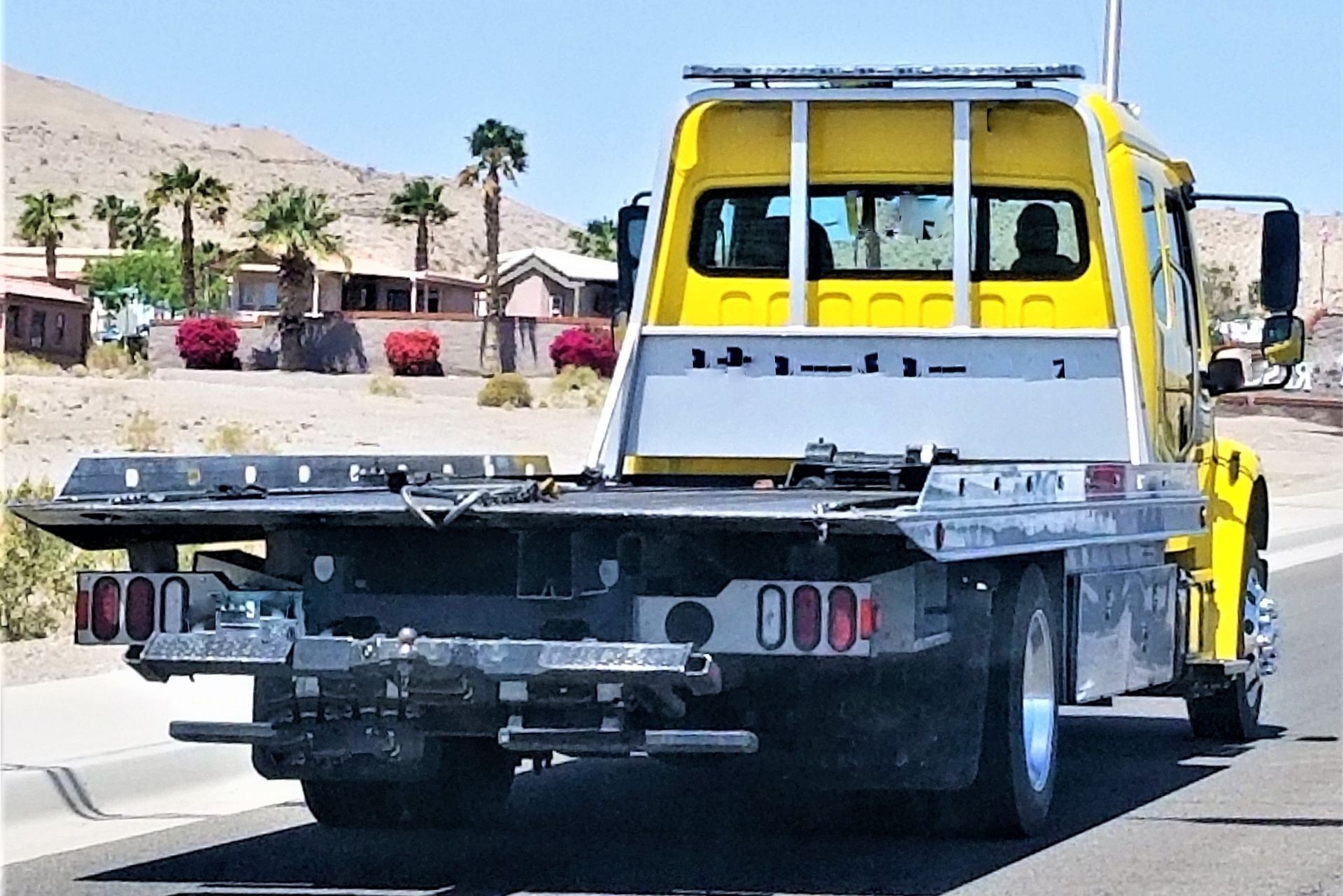
Tow truck insurance in Texas isn't cheap, and the pricing varies wildly from one company to the next. Understanding what drives your premium helps you control costs without cutting corners on coverage.
Driver Safety Records and MVR Checks
Your drivers' motor vehicle records (MVRs) are the single biggest factor most carriers look at. A clean driving history across your team can mean thousands of dollars in annual savings. Conversely, even one driver with a DUI, multiple speeding tickets, or an at-fault accident can spike your premium or make certain carriers decline to quote you entirely.
Run MVRs on every driver before you hire them, and check them annually. Some carriers offer telematics-based discounts if you install GPS and driver behavior monitoring in your trucks. These programs track hard braking, speeding, and idle time, and they can reduce premiums by 5-15% for fleets with consistently safe driving data.
Radius of Operation and Location Risks
A tow company operating exclusively within a 25-mile radius of a small Texas town will pay significantly less than one running statewide or crossing into neighboring states. Longer hauls mean more highway exposure, more miles driven, and higher statistical risk of accidents.
Where you're based matters too. Operators in Houston, Dallas-Fort Worth, San Antonio, and Austin face higher premiums than those in rural areas because of traffic density, theft rates, and the upward pressure on commercial auto insurance costs in Texas metro areas. If you operate in a high-crime area, your garagekeepers and physical damage premiums will reflect that risk.
Common Questions About Texas Tow Truck Insurance
How much does tow truck insurance cost per month in Texas? Most towing operations pay between $400 and $1,800 per truck per month, depending on coverage levels, fleet size, driver records, and location. Smaller operations with clean records tend to land on the lower end.
Can I use personal auto insurance for my tow truck? No. Personal auto policies exclude commercial towing operations entirely. You need a commercial auto policy with towing-specific endorsements.
Do I need on-hook coverage if I only do flatbed towing? Yes. On-hook coverage applies to any vehicle in your care during transport, regardless of the towing method. Flatbed operators still face risks from load shifts, securement failures, and road debris damage.
What happens if my insurance lapses? TDLR can suspend or revoke your towing license. You'll also be personally liable for any damages that occur during the lapse period, and reinstating coverage after a lapse typically comes with higher premiums.
Does workers' comp apply to towing companies? Texas is the only state where workers' compensation is optional for private employers. That said, towing is inherently dangerous work. Operating without workers' comp exposes you to direct lawsuits from injured employees, and those claims can be devastating.
Is there a difference in insurance for light-duty vs. heavy-duty wreckers?
Yes. Heavy-duty wreckers and rotators cost more to insure because the equipment value is higher, the vehicles being recovered are larger, and the risk profile during heavy recovery operations is significantly elevated.
Getting tow truck insurance right in Texas requires more than picking the cheapest quote from an online search. The coverage structure matters: on-hook limits, garagekeepers capacity, liability thresholds, and umbrella layers all need to align with how your business actually operates day to day.
Start by documenting your fleet details, driver records, radius of operation, and storage capacity. This information is what any serious insurance provider will need to build an accurate quote. If you're comparing carriers on your own, you'll spend weeks chasing individual quotes and trying to compare apples to oranges.
That's where working with an independent agency like Denton Business Insurance makes a real difference. We compare quotes from multiple carriers in a single conversation, and we know which companies write towing risks competitively in Texas. Whether you're running two trucks out of Denton or managing a 20-truck fleet in the Metroplex, we'll help you build a coverage package that actually protects your business, not just one that checks a regulatory box. Give us a call and let's get your towing operation properly covered.
Straight from the Clients We Serve
Texas Business Owners Rate Us 5 Stars — Here Is Why
We hear the same things repeatedly: fast service, honest advice, and coverage that made sense for their situation. That is what we aim for every time.

Protection Across Every Area of Your BUSINESS
What Texas Businesses Need. What We Deliver.
From your job site and your fleet to your data and your payroll — we cover the risks that Texas businesses carry every day.
General Liability
Covers third-party claims of bodily injury, property damage, and advertising injury. A foundational protection for nearly every Texas business, regardless of industry or size.
Commercial Property
Covers your building, equipment, inventory, and business contents against fire, theft, storms, and vandalism. Can also include lost income if your businesses are forced to stop.
Commercial Auto
Protects vehicles your company owns, leases, or uses for work. Covers liability, collision damage, and injuries for employees driving on company time.
Errors & Omissions
Protects service providers when a client claims your advice, work, or recommendations caused them a financial loss. Critical for consultants, IT firms, agents, and other professional service businesses.
Directors & Officers
Covers leadership decisions that result in claims from employees, investors, or outside parties. Protects your directors and officers personally when management decisions are challenged.
Inland Marine & Equipment Floater
Covers tools, materials, and equipment that move between job sites or are stored off your primary property. Fills the gap where a standard commercial property policy stops.
Every Sector Has Its Own Risk Profile
We Know Your Trade. We Know Your Exposure.
We work with a wide range of Texas industries — each with different coverage priorities. Below are the sectors we serve most often.

Apartment Complexes
Texas apartment owners face liability across common areas, tenant incidents, and on-site staff. We cover your property, your income, and your exposure — across one complex or an entire portfolio.
Manufacturing Businesses
Equipment breakdowns, product liability, and workforce injuries are daily risks for Texas manufacturers. We build coverage from the shop floor to the loading dock — so one incident does not shut you down.
Artisan Contractors
Plumbers, electricians, and skilled tradespeople work in high-risk environments every day. We build coverage around your tools, your vehicles, and your crew — so a job site incident does not stop your business.

Restaurants & Food Service
Restaurants carry liability on every shift — from the kitchen to the dining room and everything in between. We protect your location, your staff, and your equipment, including lost income when operations stop.

Non-Profits Service
Non-profits face unique liability across events, volunteers, staff, and leadership decisions. We cover your organization from the ground up — so you can focus on your mission, not your exposure.

Event Insurance
Event organizers face liability the moment guests arrive, vendors set up, and alcohol is served. We cover your event from start to finish — so one unexpected incident does not cancel everything you planned for.
Answers Before You Pick Up the Phone
What Texas Businesses Ask Us Most
We get a lot of the same questions from business owners across Texas. Here are honest answers to the ones that come up most.
What information do you need to get a commercial insurance quote?
We keep the process straightforward. We typically need your business name, a description of your operations, your gross annual sales projection, number of full-time and part-time employees, your gross annual payroll, and the types of coverage you are looking for. If you have an existing policy, the expiration date and current carrier help us put together a competitive comparison.
The most important thing you can do is be transparent about what your business actually does. Accurate classification ensures you have real coverage if a claim occurs. We have seen businesses with active policies that were incorrectly classified — and those gaps only surface at the worst possible moment.
Does Texas require businesses to carry Workers' Compensation Insurance?
Texas is the only state in the country that does not require most private employers to carry Workers' Compensation. However, if your business holds government contracts or works as a subcontractor on a job site, the hiring company will almost always require proof of coverage before work begins. A growing number of general contractors across Denton and the DFW area enforce this as a standard condition.
Even without a legal requirement, carrying Workers' Comp protects your business from direct liability if an employee is hurt on the job. Medical bills, lost wages, and legal fees can add up quickly — and one serious incident can create a financial loss that far exceeds years of premium payments.
What is a commercial insurance audit and should I expect one?
Most commercial general liability policies are auditable. At the end of your policy term, the insurance carrier reviews your actual gross sales to make sure your premium matched your real exposure. If your sales grew during the year, you may owe an additional premium. If sales came in lower, you could receive a refund.
The best way to avoid a large balance due at audit time is to update your projected gross sales with us during the year if your business grows faster than expected. We can endorse your policy mid-term to reflect the change and spread any additional premium across smaller installments instead of one lump sum at year-end.
What factors affect how much my commercial coverage will cost?
Your premium is calculated based on several variables specific to your operation — industry classification, gross annual sales, number of employees, gross payroll, claims history, and the types of coverage you need. A business that handles physical work with a crew on job sites will pay differently than a professional services firm working out of an office.
As an independent agency, we compare quotes across multiple carriers — including Travelers, The Hartford, Chubb, AmTrust, and others — to find the combination of coverage and price that works for your situation. There is no obligation after your quote, and we walk through every option in plain terms before you decide anything.
My business is a restaurant — what coverage do I actually need?
Restaurants are not a one-size-fits-all class of risk. Carriers look at a range of factors when evaluating a restaurant account: whether you serve alcohol, whether deep frying is involved, the type of fire suppression system in place, whether you have a hood cleaning contract, and whether you offer catering, delivery, or live entertainment. All of these affect both pricing and carrier appetite.
A well-structured restaurant policy typically includes general liability, building and business personal property coverage, liquor liability if applicable, food contamination coverage, business income protection, and workers' compensation for your staff. We work with carriers that actively want to write restaurant accounts in Texas — including Travelers, The Hartford, and Chubb — so you have real options to compare.
Can you help insure a business that is hard to place or outside the mainstream?
Yes — this is one of our strengths. We work with Excess and Surplus (E&S) lines markets through carriers like Burns & Wilcox for businesses that standard carriers will not write. We have placed coverage for master sign electricians, cable splicing operations, transmission rebuild shops for classic cars, CBD retailers, and many other non-standard accounts.
If you have been told your business is difficult to insure or you have received very limited options in the marketplace, reach out to us. We take time to understand your operations in detail, present your account to the right markets, and work to find coverage that actually reflects what you do — not a generic policy that leaves gaps.
Still have Question?
We’re here to help you!
Written for the Texas Business Owner
Insights That Help You Make Smarter Decisions
We publish articles on real topics that affect how Texas operators get covered — from local regulatory updates to coverage gaps most owners do not know they have.
Contact Us

