
Texas Child Enrichment Franchise Insurance

See How We're Different
Call Us: (940) 268-5112
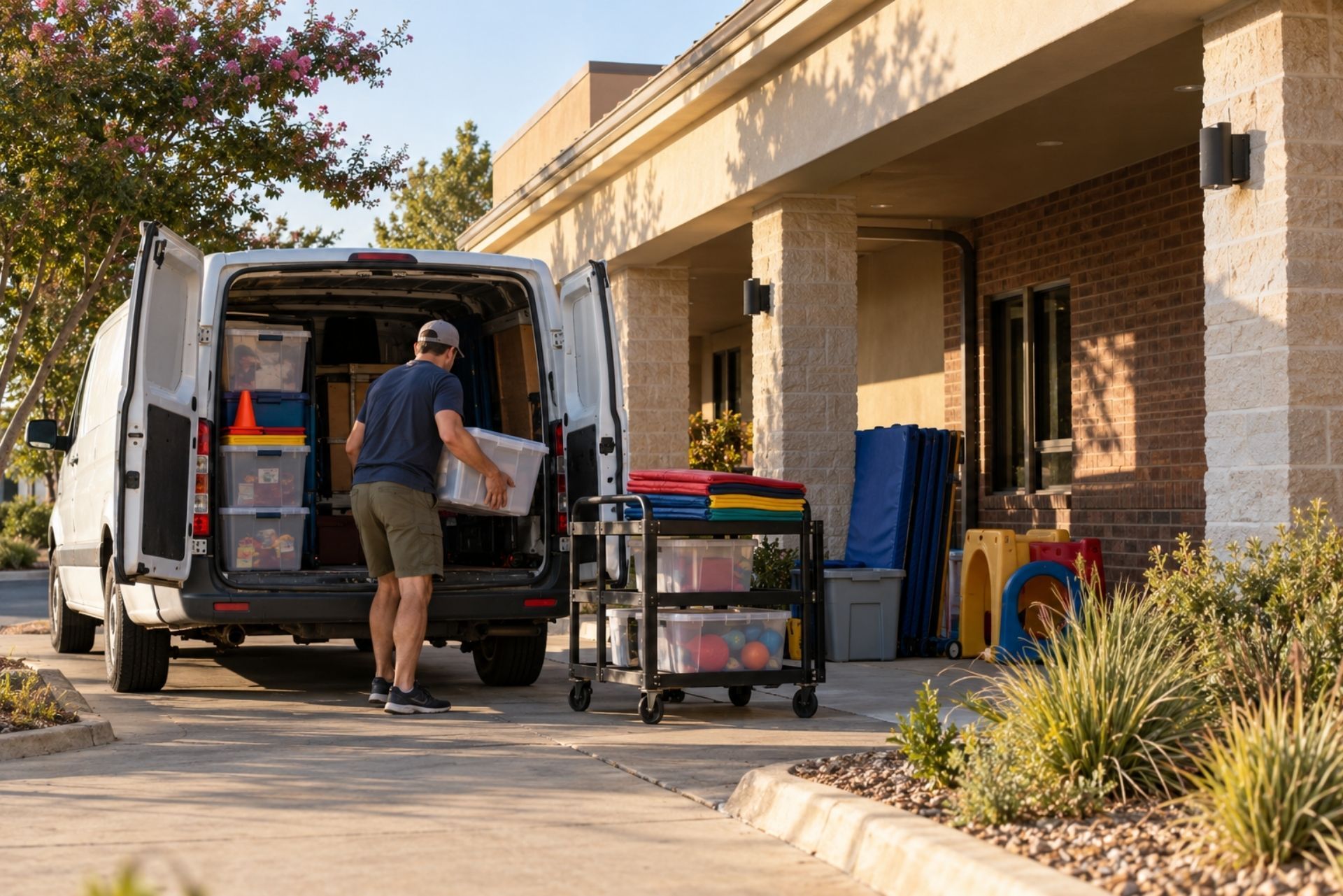
A parent drops off their seven-year-old for an after-school coding class at your franchise location. Forty minutes later, the child trips over a loose floor mat, breaks a wrist, and the family's attorney sends a demand letter before the cast is even dry. The difference between a franchise that absorbs that hit and one that closes its doors often comes down to insurance decisions made months earlier. If you're running a child enrichment franchise in Texas, or thinking about opening one, understanding the right mix of liability, property, auto, cyber, and workers' compensation coverage isn't optional. It's the foundation everything else sits on.
Texas adds its own wrinkles to the equation. The state's regulatory environment treats child-facing businesses differently than a standard retail operation, and franchise agreements layer additional requirements on top of that. Getting this wrong doesn't just risk your investment. It risks the trust parents place in you every time they walk through your door.
Texas insurance law gives business owners more flexibility than most states, but that flexibility comes with real consequences when you guess wrong. For child enrichment franchises, requirements come from two directions: the state and your franchisor. Missing either one creates gaps that can cost you everything.
State-Mandated vs. Franchise-Required Coverage
Texas HB 2789, effective January 1, 2026, reduced the statutory liability insurance floor for licensed child-care facilities from $300,000 to $100,000 per occurrence. That sounds like good news for your budget, but there's a catch. Any licensed center that skips liability insurance entirely must provide written notice to every parent and keep proof on file, or face a cited deficiency on public records.
Your franchise agreement almost certainly requires coverage well above the state minimum. Most franchisors mandate $1 million per occurrence with a $2 million aggregate, and they want to be listed as an additional insured on your policy. The state minimum is a floor, not a recommendation, and carrying only $100,000 creates what one industry analyst called a "transparency trap" since telling parents you carry minimal coverage can hurt enrollment more than the premium savings are worth. [Source: https://cubbyinsurance.com/texas-daycare-insurance]
The Role of Texas Workers' Compensation Laws
Texas remains the only state where private employers can opt out of workers' compensation entirely. That sounds like freedom until you realize what you're giving up. Non-subscribers lose several powerful legal protections: employees can sue you directly for workplace injuries, and you can't use contributory negligence as a defense.
For a child enrichment franchise with staff supervising active kids, the injury risk is real. Teachers demonstrate gymnastics moves, lift toddlers, and set up equipment daily. Workers' comp base rates for child care and educational workers (Class Code 8869) typically range from $2.00 to $3.50 per $100 of payroll in 2026. On a $35,000 annual salary, that's roughly $700 to $1,225 per employee per year. Skipping that coverage to save a few hundred dollars per staff member is a gamble most franchise owners shouldn't take.


By: Linda Dodson
Agency Director at
Denton Business Insurance
Core Coverage Types for Texas Enrichment Centers
Every child enrichment franchise needs a combination of policies working together. No single policy covers everything, and the gaps between policies are where claims destroy businesses.
General Liability and Abuse/Molestation Protection
General liability is your first line of defense against slip-and-fall injuries, property damage to a client's belongings, and similar everyday claims. Typical policies for child-focused businesses run between $1,500 and $3,500 annually for $1 million per occurrence limits. [Source: https://cubbyinsurance.com/texas-daycare-insurance]
Here's the part that trips up a lot of franchise owners: budget Texas policies often quietly exclude abuse and molestation (A&M) coverage, even though defense costs for a single allegation can exceed $300,000 in 2026. You need A&M coverage as either an endorsement on your general liability policy or a standalone policy. This isn't about assuming the worst about your staff. It's about surviving an allegation, even a false one, without bankrupting your business.
Professional Liability for Specialized Instruction
If your franchise provides tutoring, STEM instruction, music lessons, or any form of educational programming, professional liability (sometimes called errors and omissions) covers claims that your instruction caused harm. A parent might allege that improper teaching methods set their child back academically, or that a music instructor's technique caused a repetitive strain injury.
Professional liability policies for educational services typically start around $300 to $600 annually, depending on the number of instructors and the type of instruction offered. This is separate from your general liability and covers a different category of risk entirely. [Source: https://cubbyinsurance.com/texas-daycare-insurance]
Commercial Property and Equipment Coverage
Texas commercial property premiums rose roughly 60% between 2019 and 2024, and while growth slowed to about 4.3% in 2025, rates remain among the highest in the country heading into 2026. For enrichment franchises, your property policy needs to cover not just the building (if you own it) but also specialized equipment: tablets, robotics kits, musical instruments, gymnastics apparatus, and sensory play materials.
One thing to keep in mind: standard property policies don't always cover equipment breakdown from mechanical or electrical failure. If your HVAC system dies in a Texas August and you have to close for three days, an equipment breakdown endorsement pays for the repair and can cover lost income. At Denton Business Insurance, we regularly see franchise owners surprised by this gap when we review their existing policies. Shopping your property rate at every renewal is no longer optional in this market, and clients who compare carriers annually save significantly more than those who auto-renew.
These two policies sound similar but protect against very different types of claims. Confusing them, or assuming one covers both, is one of the most common mistakes we see at Denton Business Insurance when onboarding new franchise clients.
Coverage Comparison Table
| Feature | General Liability | Professional Liability |
|---|---|---|
| What it covers | Bodily injury, property damage, personal injury | Errors in professional services or instruction |
| Example claim | Child slips on wet floor and breaks an arm | Parent alleges tutoring methods harmed child's progress |
| Typical annual cost | $1,500 - $3,500 | $300 - $600 |
| A&M coverage | Available as endorsement (check your policy) | Not typically included |
| Required by most franchisors? | Yes | Often yes for instruction-based franchises |
| Covers legal defense? | Yes | Yes |
Both policies are claims-made or occurrence-based depending on the carrier, so read the fine print. An occurrence-based policy covers incidents that happen during the policy period regardless of when the claim is filed. A claims-made policy only covers claims filed while the policy is active. For a business working with children, occurrence-based coverage is almost always the smarter choice.
Risk Management Strategies for Texas Franchisees
Insurance is your financial safety net, but smart risk management reduces how often you need it. Carriers also look at your risk management practices when setting premiums, so good habits pay for themselves.
Background Checks and Staff Training Standards
Run comprehensive background checks on every employee, volunteer, and contractor who will have contact with children. This isn't just good practice; most insurers require it as a condition of binding A&M coverage. Keep records of every check, and re-run them on a regular schedule, typically every 24 months. [Source: https://www.hhs.texas.gov/sites/default/files/documents/doing-business-with-hhs/provider-portal/protective-services/ccl/min-standards/745-sub-f-background-checks.pdf]
Staff training should cover child supervision ratios, emergency procedures, and mandatory reporting obligations under Texas law. Document every training session with dates, attendees, and topics covered. When a claim does arise, this documentation becomes your strongest evidence that you operated responsibly.
Facility Safety and Incident Reporting
Conduct monthly safety walkthroughs of your facility. Check floor surfaces, equipment anchoring, emergency exits, and first aid supplies. Create an incident report form and train every staff member to complete one immediately after any injury, near-miss, or behavioral concern.
Cyber risk deserves attention here too. If you store parent contact information, payment data, or student records digitally, you need cyber liability coverage. Carriers in 2026 require technical proof of multi-factor authentication and endpoint detection before they'll even bind a policy. They want audit logs and screenshots, not just a verbal "yes, we have security." If your franchise uses an online enrollment portal or processes credit card payments, this coverage is non-negotiable.
Common Questions About Enrichment Franchise Insurance
FAQ: Do I need workers' comp if I have few employees? Texas doesn't require it, but going without means employees can sue you directly for workplace injuries, and you lose key legal defenses. Even with just two or three part-time instructors, the exposure is real. Most franchise agreements require it regardless of headcount.
FAQ: Does my homeowners policy cover my home-based franchise? Almost never. Homeowners policies typically exclude business activities, especially ones involving children on your property. You need a separate commercial policy, and your homeowner's insurer should be notified about the business use to avoid voiding your residential coverage entirely.
FAQ: How much does a standard Texas policy cost? There's no single number because "standard" doesn't exist for child enrichment. A basic general liability policy might run $1,500 to $3,500 annually, but once you add professional liability, property, cyber, and workers' comp, most franchise owners land between $3,000 and $8,000 per year depending on location, payroll, and coverage limits. [Source: https://cubbyinsurance.com/texas-daycare-insurance]
FAQ: What is abuse and molestation coverage? A&M coverage pays for legal defense and settlements related to allegations of abuse or molestation by staff, volunteers, or contractors. Defense costs alone for a single allegation can exceed $300,000. Many budget policies exclude it, so verify your policy includes it before you sign.
FAQ: Can I use one policy for multiple Texas locations? Yes, many carriers offer multi-location policies, but each location needs to be specifically listed and rated. Coverage limits, property values, and payroll figures must reflect each site individually. A blanket policy that underestimates one location's risk leaves you exposed there.
Protecting Your Investment and Your Students
Running a child enrichment franchise in Texas means accepting responsibility for other people's kids during some of their most formative hours. The insurance decisions you make protect not just your financial investment but the families who trust you with their children.
The right coverage mix, including general and professional liability, commercial property, cyber, and workers' comp, with proper endorsements like A&M coverage, creates a foundation that lets you focus on what you actually opened the business to do: helping kids learn and grow.
If you're unsure whether your current coverage has gaps, or you're launching a new franchise location and need to build a policy package from scratch, Denton Business Insurance can help. As an independent agency, we compare carriers like Nationwide, Travelers, and Chubb to find coverage that fits your specific franchise, your location, and your budget. Reach out for a policy review before your next renewal, not after your first claim.
Straight from the Clients We Serve
Texas Business Owners Rate Us 5 Stars — Here Is Why
We hear the same things repeatedly: fast service, honest advice, and coverage that made sense for their situation. That is what we aim for every time.
Protection Across Every Area of Your BUSINESS
What Texas Businesses Need. What We Deliver.
From your job site and your fleet to your data and your payroll — we cover the risks that Texas businesses carry every day.
General Liability
Covers third-party claims of bodily injury, property damage, and advertising injury. A foundational protection for nearly every Texas business, regardless of industry or size.
Commercial Property
Covers your building, equipment, inventory, and business contents against fire, theft, storms, and vandalism. Can also include lost income if your businesses are forced to stop.
Commercial Auto
Protects vehicles your company owns, leases, or uses for work. Covers liability, collision damage, and injuries for employees driving on company time.
Errors & Omissions
Protects service providers when a client claims your advice, work, or recommendations caused them a financial loss. Critical for consultants, IT firms, agents, and other professional service businesses.
Directors & Officers
Covers leadership decisions that result in claims from employees, investors, or outside parties. Protects your directors and officers personally when management decisions are challenged.
Inland Marine & Equipment Floater
Covers tools, materials, and equipment that move between job sites or are stored off your primary property. Fills the gap where a standard commercial property policy stops.
Every Sector Has Its Own Risk Profile
We Know Your Trade. We Know Your Exposure.
We work with a wide range of Texas industries — each with different coverage priorities. Below are the sectors we serve most often.

Apartment Complexes
Texas apartment owners face liability across common areas, tenant incidents, and on-site staff. We cover your property, your income, and your exposure — across one complex or an entire portfolio.

Manufacturing Businesses
Equipment breakdowns, product liability, and workforce injuries are daily risks for Texas manufacturers. We build coverage from the shop floor to the loading dock — so one incident does not shut you down.
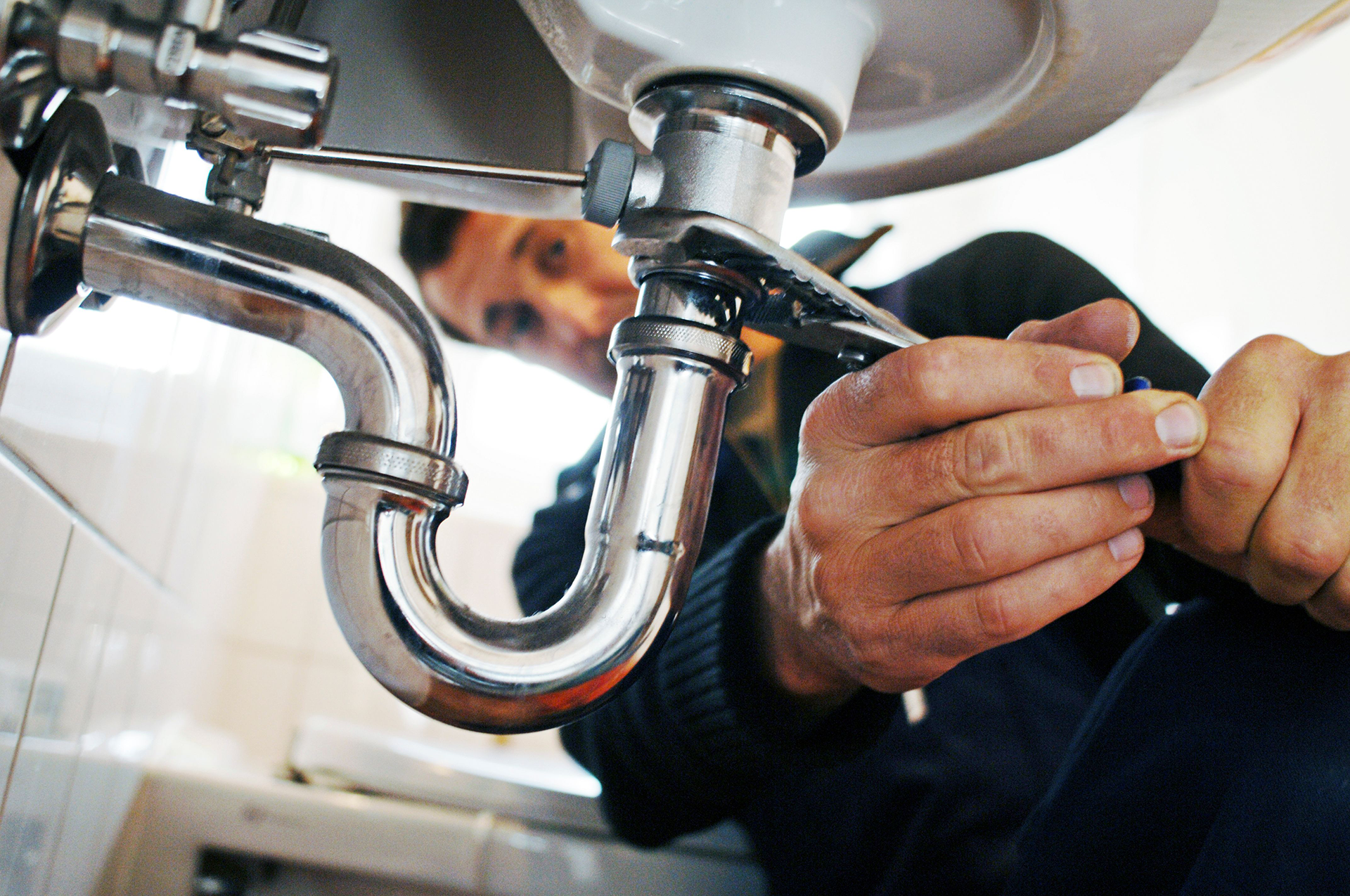
Artisan Contractors
Plumbers, electricians, and skilled tradespeople work in high-risk environments every day. We build coverage around your tools, your vehicles, and your crew — so a job site incident does not stop your business.

Restaurants & Food Service
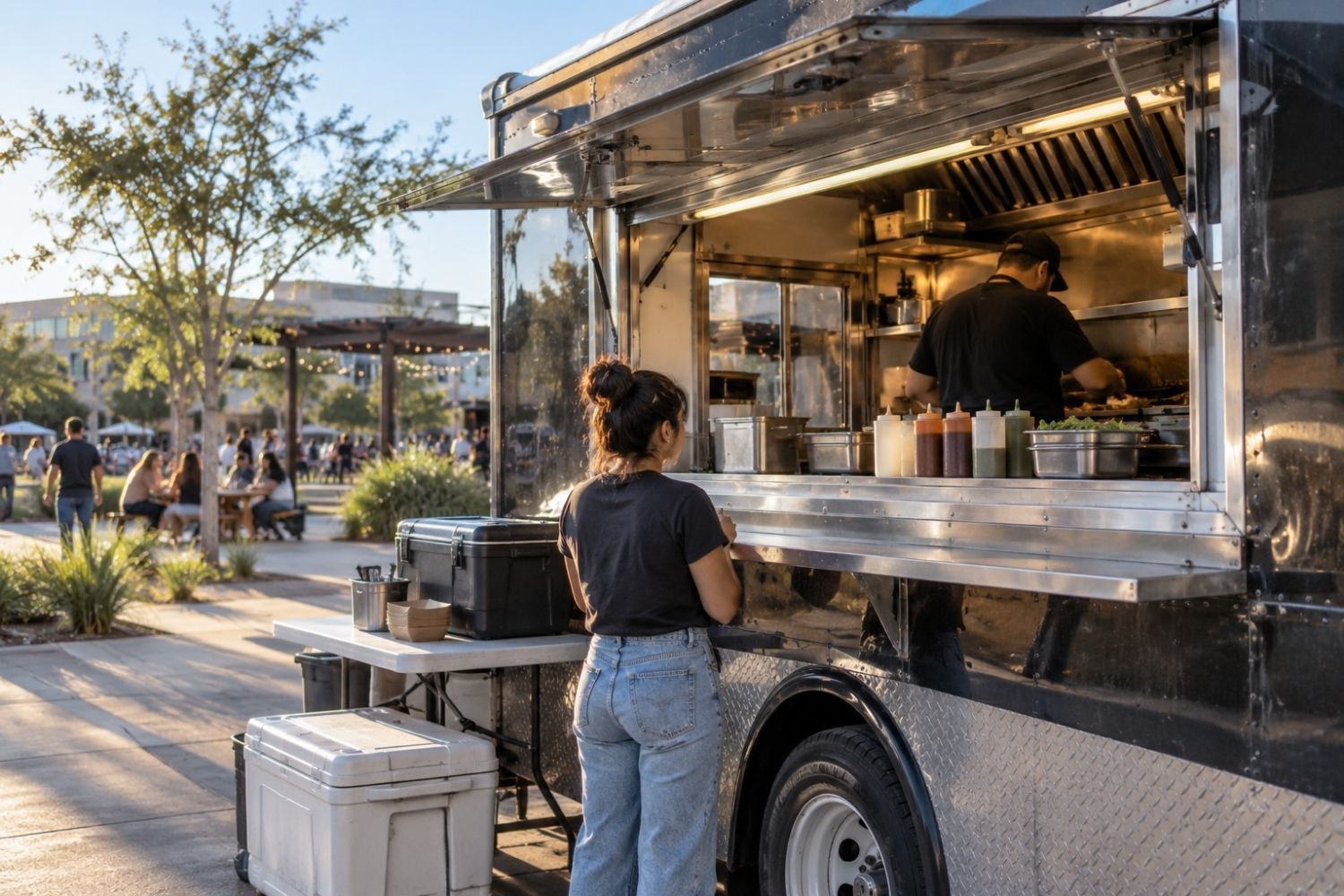
Restaurants carry liability on every shift — from the kitchen to the dining room and everything in between. We protect your location, your staff, and your equipment, including lost income when operations stop.

Non-Profits Service
Non-profits face unique liability across events, volunteers, staff, and leadership decisions. We cover your organization from the ground up — so you can focus on your mission, not your exposure.

Event Insurance
Event organizers face liability the moment guests arrive, vendors set up, and alcohol is served. We cover your event from start to finish — so one unexpected incident does not cancel everything you planned for.
Answers Before You Pick Up the Phone
What Texas Businesses Ask Us Most
We get a lot of the same questions from business owners across Texas. Here are honest answers to the ones that come up most.

What information do you need to get a commercial insurance quote?
We keep the process straightforward. We typically need your business name, a description of your operations, your gross annual sales projection, number of full-time and part-time employees, your gross annual payroll, and the types of coverage you are looking for. If you have an existing policy, the expiration date and current carrier help us put together a competitive comparison.
The most important thing you can do is be transparent about what your business actually does. Accurate classification ensures you have real coverage if a claim occurs. We have seen businesses with active policies that were incorrectly classified — and those gaps only surface at the worst possible moment.
Does Texas require businesses to carry Workers' Compensation Insurance?
Texas is the only state in the country that does not require most private employers to carry Workers' Compensation. However, if your business holds government contracts or works as a subcontractor on a job site, the hiring company will almost always require proof of coverage before work begins. A growing number of general contractors across Denton and the DFW area enforce this as a standard condition.
Even without a legal requirement, carrying Workers' Comp protects your business from direct liability if an employee is hurt on the job. Medical bills, lost wages, and legal fees can add up quickly — and one serious incident can create a financial loss that far exceeds years of premium payments.
What is a commercial insurance audit and should I expect one?
Most commercial general liability policies are auditable. At the end of your policy term, the insurance carrier reviews your actual gross sales to make sure your premium matched your real exposure. If your sales grew during the year, you may owe an additional premium. If sales came in lower, you could receive a refund.
The best way to avoid a large balance due at audit time is to update your projected gross sales with us during the year if your business grows faster than expected. We can endorse your policy mid-term to reflect the change and spread any additional premium across smaller installments instead of one lump sum at year-end.
What factors affect how much my commercial coverage will cost?
Your premium is calculated based on several variables specific to your operation — industry classification, gross annual sales, number of employees, gross payroll, claims history, and the types of coverage you need. A business that handles physical work with a crew on job sites will pay differently than a professional services firm working out of an office.
As an independent agency, we compare quotes across multiple carriers — including Travelers, The Hartford, Chubb, AmTrust, and others — to find the combination of coverage and price that works for your situation. There is no obligation after your quote, and we walk through every option in plain terms before you decide anything.
My business is a restaurant — what coverage do I actually need?
Restaurants are not a one-size-fits-all class of risk. Carriers look at a range of factors when evaluating a restaurant account: whether you serve alcohol, whether deep frying is involved, the type of fire suppression system in place, whether you have a hood cleaning contract, and whether you offer catering, delivery, or live entertainment. All of these affect both pricing and carrier appetite.
A well-structured restaurant policy typically includes general liability, building and business personal property coverage, liquor liability if applicable, food contamination coverage, business income protection, and workers' compensation for your staff. We work with carriers that actively want to write restaurant accounts in Texas — including Travelers, The Hartford, and Chubb — so you have real options to compare.
Can you help insure a business that is hard to place or outside the mainstream?
Yes — this is one of our strengths. We work with Excess and Surplus (E&S) lines markets through carriers like Burns & Wilcox for businesses that standard carriers will not write. We have placed coverage for master sign electricians, cable splicing operations, transmission rebuild shops for classic cars, CBD retailers, and many other non-standard accounts.
If you have been told your business is difficult to insure or you have received very limited options in the marketplace, reach out to us. We take time to understand your operations in detail, present your account to the right markets, and work to find coverage that actually reflects what you do — not a generic policy that leaves gaps.
Still have Question?
We’re here to help you!
Written for the Texas Business Owner
Insights That Help You Make Smarter Decisions
We publish articles on real topics that affect how Texas operators get covered — from local regulatory updates to coverage gaps most owners do not know they have.
Contact Us

