
Texas Document Shredding Company Insurance

See How We're Different
Call Us: (940) 268-5112
A single mishandled hard drive containing Social Security numbers. A shredding truck rear-ending a client's loading dock gate. An employee pocketing a flash drive from a bin destined for destruction. These aren't hypothetical scenarios: they're the kinds of claims that can bankrupt a document shredding company without the right insurance in place. Texas shredding and data destruction businesses face a unique mix of risks that most standard commercial policies don't fully address. You're handling some of the most sensitive information that exists, transporting it across public roads, and destroying it with industrial equipment. That combination of liability, property, auto, cyber, and workers' compensation exposure demands a tailored insurance strategy, not a one-size-fits-all package. If you've been wondering what coverage your Texas shredding operation actually needs, and what you can skip, this is the practical breakdown you've been looking for. The stakes are real: Texas civil penalties can reach
$500 per record for improper destruction of sensitive personal information under the Identity Theft Enforcement and Protection Act. A single incident involving a few hundred records could cost you six figures before an attorney even gets involved.
Core Insurance Needs for Texas Shredding Operations
Every shredding company, whether it's a two-truck mobile operation or a plant-based facility processing tons of paper daily, shares a common set of insurance needs. The difference between a business that survives a claim and one that doesn't usually comes down to whether these foundational coverages were in place before something went wrong.
The three policies below form the backbone of any shredding company's risk management plan. Skipping any one of them creates a gap that could expose your personal assets, your equipment, and your client relationships.
General Liability for On-Site and Off-Site Risks
General liability (GL) is the first policy most shredding companies buy, and for good reason. It covers third-party bodily injury and property damage, whether that happens at your facility or on a client's premises. Think about the daily reality of your work: your crew wheels locked bins through office hallways, operates hydraulic lifts on loading docks, and handles heavy containers near parked vehicles.
A typical GL policy for a small shredding operation will vary based on revenue, number of client sites visited, and claims history. If your crew damages a client's floor, knocks over a server rack, or injures a bystander during a pickup, GL is what responds.
Professional Liability and Errors & Omissions
Here's where shredding companies diverge from most service businesses. You're not just hauling trash: you're contractually promising the secure destruction of confidential data. If a document survives your process and ends up in the wrong hands, that's a professional liability claim, not a general liability one.
Professional liability (also called errors and omissions, or E&O) covers failures in the service you promised to deliver. One specialized option worth knowing about is Downstream Data Coverage, a professional liability policy underwritten by Lloyd's of London that specifically covers rogue employee actions and malicious acts. It's available exclusively to NAID AAA certified companies. The industry perspective on professional liability is blunt: it's described as a fact of your future, and the only way to profit from it is to use it as a sales tool that proves accountability to clients.
Commercial Auto for Mobile Shredding Fleets
If you operate mobile shredding trucks, commercial auto insurance isn't optional: it's legally required. Texas law continues to mandate minimum liability limits of 30/60/25 ($30,000 bodily injury per person, $60,000 per accident, and $25,000 for property damage) according to https://insurify.com/car-insurance/texas/minimum-requirements/, but those minimums won't come close to covering a serious accident involving a loaded shredding truck.
Commercial truck insurance for Texas mobile shredding operators
costs between $9,000 and $19,000 per year
in 2026. That range reflects variables like driver experience, vehicle weight, radius of operation, and deductible choices. Don't forget inland marine coverage for the shredding equipment mounted on or towed by your trucks. If a hydraulic shredder breaks down on the road, your standard auto policy won't pay to repair or replace it.

By: Linda Dodson
Agency Director at
Denton Business Insurance
Protecting Data and Client Privacy
Your clients hire you specifically because they need sensitive information destroyed beyond recovery. That trust creates a layer of liability that goes beyond physical damage. A data breach originating from your operations, whether through a cyberattack or an employee's bad decision, can trigger notification requirements, regulatory fines, and lawsuits from every person whose data was compromised.
Cyber Liability and Data Breach Coverage
You might think a shredding company doesn't need cyber insurance because you destroy data rather than store it. That's a dangerous assumption. Most shredding companies maintain digital records of pickups, certificates of destruction, client contracts, and employee information. Some handle electronic media destruction, which means hard drives, USB devices, and backup tapes pass through your facility.
Cyber liability coverage pays for breach notification costs, credit monitoring for affected individuals, forensic investigation, and legal defense. Small Texas businesses with under $1M in revenue typically pay between $1,200 and $2,400 annually for $1M in cyber liability coverage. If you're processing electronic media, your exposure is higher, and your limits should reflect that.
Employee Dishonesty and Crime Insurance
This is the coverage most shredding companies overlook until it's too late. Your employees have physical access to some of the most valuable information your clients possess: financial records, medical files, legal documents, and personal identification data. A crime insurance policy (sometimes called a fidelity bond) protects your business if an employee steals, sells, or misuses client data.
Standard GL and professional liability policies typically exclude intentional criminal acts by employees. Crime insurance fills that gap. While premiums vary for smaller operations, the protection is significant. If a driver diverts a bin of documents or an employee copies data from electronic media before destruction, this policy responds.
Texas-Specific Regulations and Requirements
Texas has its own rules around data destruction, workers' compensation, and business liability that differ from other states. Understanding these requirements isn't just about compliance: it's about structuring your insurance to match the actual legal environment you're operating in.
Workers' Compensation Options in the Lone Star State
Texas stands alone as the only state where private employers aren't required to carry workers' compensation insurance. That sounds like a cost-saving opportunity, but being a "non-subscriber" comes with serious legal risk. Without workers' comp, you lose the protection of the exclusive remedy doctrine, meaning injured employees can sue you directly in civil court for full damages. They also don't have to prove negligence: they just have to show the injury happened at work.
Shredding operations involve heavy lifting, industrial machinery, and driving. Injury risk is real. Workers' comp premiums for this industry typically fall under classification codes for waste handling or recycling, and annual costs vary based on payroll size and claims history. For most shredding companies, carrying the coverage is the smarter financial decision.
Compliance with Texas Data Disposal Laws
Texas law requires businesses that possess personal identifying information to destroy it in a way that makes it unreadable or indecipherable. The Identity Theft Enforcement and Protection Act creates civil penalties for noncompliance, and your clients can be held liable if they hired a shredding company that failed to do its job properly.
This creates a chain of liability that flows directly to your business. Your insurance program needs to account for this. Professional liability and cyber coverage should include defense costs for regulatory actions, not just private lawsuits. At Denton Business Insurance, we see this gap frequently when reviewing policies that shredding companies purchased online or through agents unfamiliar with the industry.
Comparing Essential Coverage Levels
Not every shredding company needs the same limits or endorsements. A solo operator with one truck and a handful of recurring clients has a different risk profile than a multi-location facility processing electronic media for hospitals and law firms.
Table: Basic vs. Comprehensive Protection Plans
| Coverage Type | Basic Plan | Comprehensive Plan |
|---|---|---|
| General Liability | $1M per occurrence / $2M aggregate | $2M per occurrence / $4M aggregate |
| Professional Liability | $500K limit | $1M-$2M limit with regulatory defense |
| Commercial Auto | State minimums ($30K/$60K/$25K) | $1M combined single limit |
| Cyber Liability | $500K limit | $1M+ with electronic media endorsement |
| Workers' Compensation | Texas statutory limits | Statutory + employer's liability $1M |
| Crime/Fidelity | Not included | $250K-$500K employee dishonesty |
| Equipment Breakdown | Not included | $500-$5,000 annually based on equipment value |
| Inland Marine | Not included | Covers mobile shredding equipment |
The basic plan keeps you legal. The comprehensive plan keeps you in business after a serious claim. Most shredding companies we work with at Denton Business Insurance land somewhere between these two extremes, depending on their client contracts and revenue.
Common Questions About Shredding Business Insurance
FAQ: Cost, Claims, and Coverage Limits
How much does insurance cost for a small Texas shredding company? A small operation with one or two trucks, a few employees, and under $500K in revenue must budget for a full insurance program covering GL, auto, professional liability, cyber, and workers' comp. The biggest single line item is usually commercial auto.
Do I need cyber insurance if I only shred paper? Yes. You still maintain digital client records, contracts, and certificates of destruction. If your systems are compromised and client data is exposed, you're liable for notification and defense costs regardless of whether you handle electronic media.
What happens if I skip workers' comp in Texas? You become a non-subscriber, which means injured employees can sue you in civil court without needing to prove negligence. You also lose the ability to limit damages through the workers' comp system. For a physically demanding industry like shredding, this is a significant gamble.
Will my clients require specific coverage limits? Most corporate and healthcare clients require proof of insurance with minimum limits, often $1M or $2M for GL and professional liability. Government contracts frequently require even higher limits. Losing a contract because your limits are too low is an expensive mistake.
Does general liability cover a data breach? No. GL covers physical injury and property damage. A data breach, whether caused by a system hack or employee error, requires cyber liability or professional liability coverage to respond. These are separate policies with separate triggers.
Making the Right Choice for Your Fleet and Facility
Running a Texas document shredding and data destruction company means juggling physical risks, privacy obligations, and regulatory requirements simultaneously. No single policy handles all of it. The right insurance program layers general liability, professional liability, commercial auto, cyber coverage, and workers' compensation into a package that matches your specific operation.
The most common mistake we see is buying policies piecemeal from different carriers without checking for gaps or overlaps. An independent agency like Denton Business Insurance can compare quotes from carriers like Nationwide, Travelers, and Chubb side by side, making sure each policy complements the others rather than leaving holes. We're based in Denton, TX, and we work with shredding companies across the state.
Your next step is straightforward: pull out your current policies, review them against the coverage types listed above, and identify what's missing. If you're not sure where the gaps are, that's exactly the kind of conversation we have every day. Get your business properly covered so you can focus on what you do best: destroying data, not worrying about what happens if something goes wrong.
Straight from the Clients We Serve
Texas Business Owners Rate Us 5 Stars — Here Is Why
We hear the same things repeatedly: fast service, honest advice, and coverage that made sense for their situation. That is what we aim for every time.
Protection Across Every Area of Your BUSINESS
What Texas Businesses Need. What We Deliver.
From your job site and your fleet to your data and your payroll — we cover the risks that Texas businesses carry every day.
General Liability
Covers third-party claims of bodily injury, property damage, and advertising injury. A foundational protection for nearly every Texas business, regardless of industry or size.
Commercial Property
Covers your building, equipment, inventory, and business contents against fire, theft, storms, and vandalism. Can also include lost income if your businesses are forced to stop.
Commercial Auto
Protects vehicles your company owns, leases, or uses for work. Covers liability, collision damage, and injuries for employees driving on company time.
Errors & Omissions
Protects service providers when a client claims your advice, work, or recommendations caused them a financial loss. Critical for consultants, IT firms, agents, and other professional service businesses.
Directors & Officers
Covers leadership decisions that result in claims from employees, investors, or outside parties. Protects your directors and officers personally when management decisions are challenged.
Inland Marine & Equipment Floater
Covers tools, materials, and equipment that move between job sites or are stored off your primary property. Fills the gap where a standard commercial property policy stops.
Every Sector Has Its Own Risk Profile
We Know Your Trade. We Know Your Exposure.
We work with a wide range of Texas industries — each with different coverage priorities. Below are the sectors we serve most often.

Apartment Complexes
Texas apartment owners face liability across common areas, tenant incidents, and on-site staff. We cover your property, your income, and your exposure — across one complex or an entire portfolio.
Manufacturing Businesses
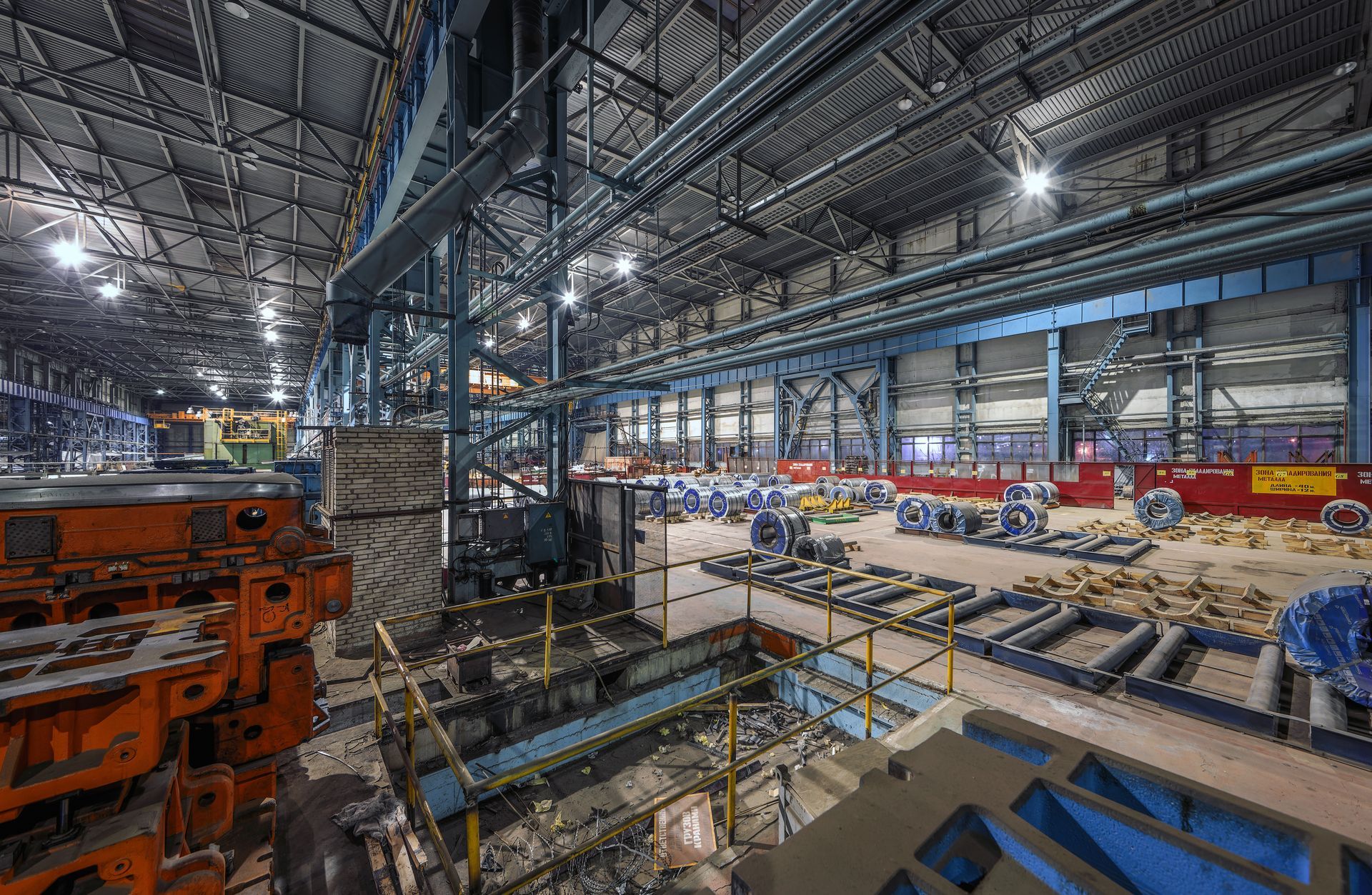
Equipment breakdowns, product liability, and workforce injuries are daily risks for Texas manufacturers. We build coverage from the shop floor to the loading dock — so one incident does not shut you down.
Artisan Contractors
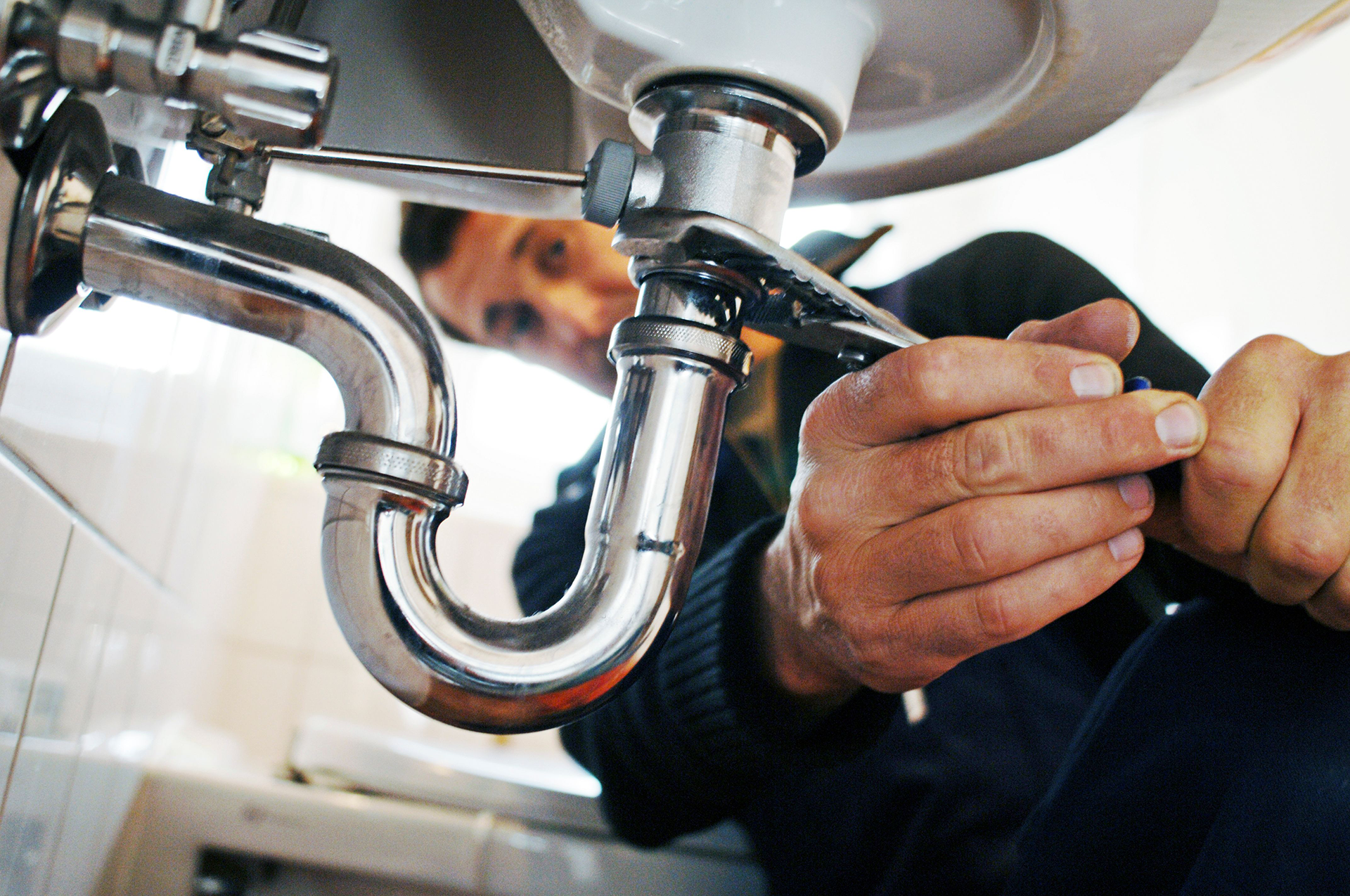
Plumbers, electricians, and skilled tradespeople work in high-risk environments every day. We build coverage around your tools, your vehicles, and your crew — so a job site incident does not stop your business.

Restaurants & Food Service
Restaurants carry liability on every shift — from the kitchen to the dining room and everything in between. We protect your location, your staff, and your equipment, including lost income when operations stop.

Non-Profits Service
Non-profits face unique liability across events, volunteers, staff, and leadership decisions. We cover your organization from the ground up — so you can focus on your mission, not your exposure.

Event Insurance
Event organizers face liability the moment guests arrive, vendors set up, and alcohol is served. We cover your event from start to finish — so one unexpected incident does not cancel everything you planned for.
Answers Before You Pick Up the Phone
What Texas Businesses Ask Us Most
We get a lot of the same questions from business owners across Texas. Here are honest answers to the ones that come up most.

What information do you need to get a commercial insurance quote?
We keep the process straightforward. We typically need your business name, a description of your operations, your gross annual sales projection, number of full-time and part-time employees, your gross annual payroll, and the types of coverage you are looking for. If you have an existing policy, the expiration date and current carrier help us put together a competitive comparison.
The most important thing you can do is be transparent about what your business actually does. Accurate classification ensures you have real coverage if a claim occurs. We have seen businesses with active policies that were incorrectly classified — and those gaps only surface at the worst possible moment.
Does Texas require businesses to carry Workers' Compensation Insurance?
Texas is the only state in the country that does not require most private employers to carry Workers' Compensation. However, if your business holds government contracts or works as a subcontractor on a job site, the hiring company will almost always require proof of coverage before work begins. A growing number of general contractors across Denton and the DFW area enforce this as a standard condition.
Even without a legal requirement, carrying Workers' Comp protects your business from direct liability if an employee is hurt on the job. Medical bills, lost wages, and legal fees can add up quickly — and one serious incident can create a financial loss that far exceeds years of premium payments.
What is a commercial insurance audit and should I expect one?
Most commercial general liability policies are auditable. At the end of your policy term, the insurance carrier reviews your actual gross sales to make sure your premium matched your real exposure. If your sales grew during the year, you may owe an additional premium. If sales came in lower, you could receive a refund.
The best way to avoid a large balance due at audit time is to update your projected gross sales with us during the year if your business grows faster than expected. We can endorse your policy mid-term to reflect the change and spread any additional premium across smaller installments instead of one lump sum at year-end.
What factors affect how much my commercial coverage will cost?
Your premium is calculated based on several variables specific to your operation — industry classification, gross annual sales, number of employees, gross payroll, claims history, and the types of coverage you need. A business that handles physical work with a crew on job sites will pay differently than a professional services firm working out of an office.
As an independent agency, we compare quotes across multiple carriers — including Travelers, The Hartford, Chubb, AmTrust, and others — to find the combination of coverage and price that works for your situation. There is no obligation after your quote, and we walk through every option in plain terms before you decide anything.
My business is a restaurant — what coverage do I actually need?
Restaurants are not a one-size-fits-all class of risk. Carriers look at a range of factors when evaluating a restaurant account: whether you serve alcohol, whether deep frying is involved, the type of fire suppression system in place, whether you have a hood cleaning contract, and whether you offer catering, delivery, or live entertainment. All of these affect both pricing and carrier appetite.
A well-structured restaurant policy typically includes general liability, building and business personal property coverage, liquor liability if applicable, food contamination coverage, business income protection, and workers' compensation for your staff. We work with carriers that actively want to write restaurant accounts in Texas — including Travelers, The Hartford, and Chubb — so you have real options to compare.
Can you help insure a business that is hard to place or outside the mainstream?
Yes — this is one of our strengths. We work with Excess and Surplus (E&S) lines markets through carriers like Burns & Wilcox for businesses that standard carriers will not write. We have placed coverage for master sign electricians, cable splicing operations, transmission rebuild shops for classic cars, CBD retailers, and many other non-standard accounts.
If you have been told your business is difficult to insure or you have received very limited options in the marketplace, reach out to us. We take time to understand your operations in detail, present your account to the right markets, and work to find coverage that actually reflects what you do — not a generic policy that leaves gaps.
Still have Question?
We’re here to help you!
Written for the Texas Business Owner
Insights That Help You Make Smarter Decisions
We publish articles on real topics that affect how Texas operators get covered — from local regulatory updates to coverage gaps most owners do not know they have.
Contact Us

