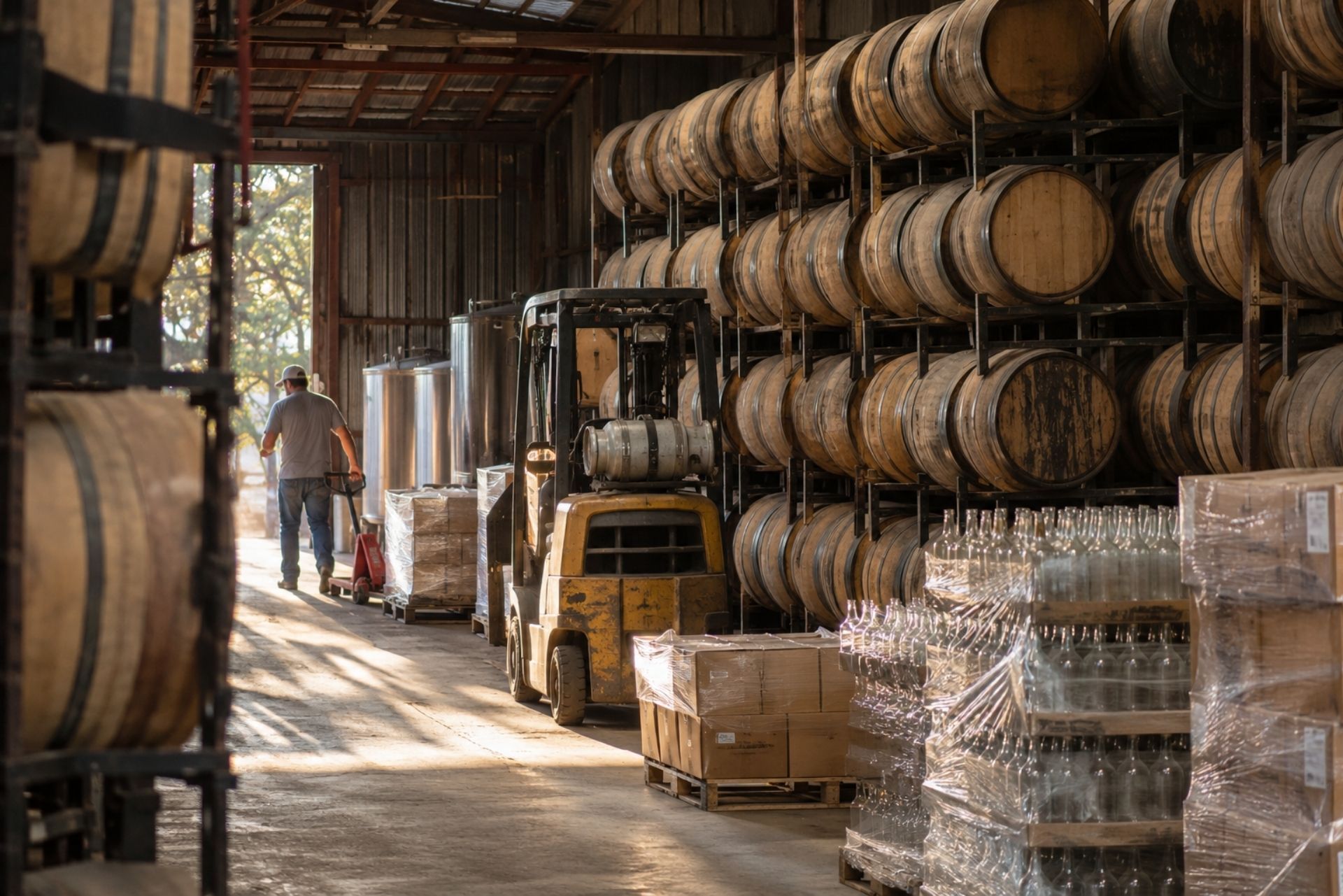
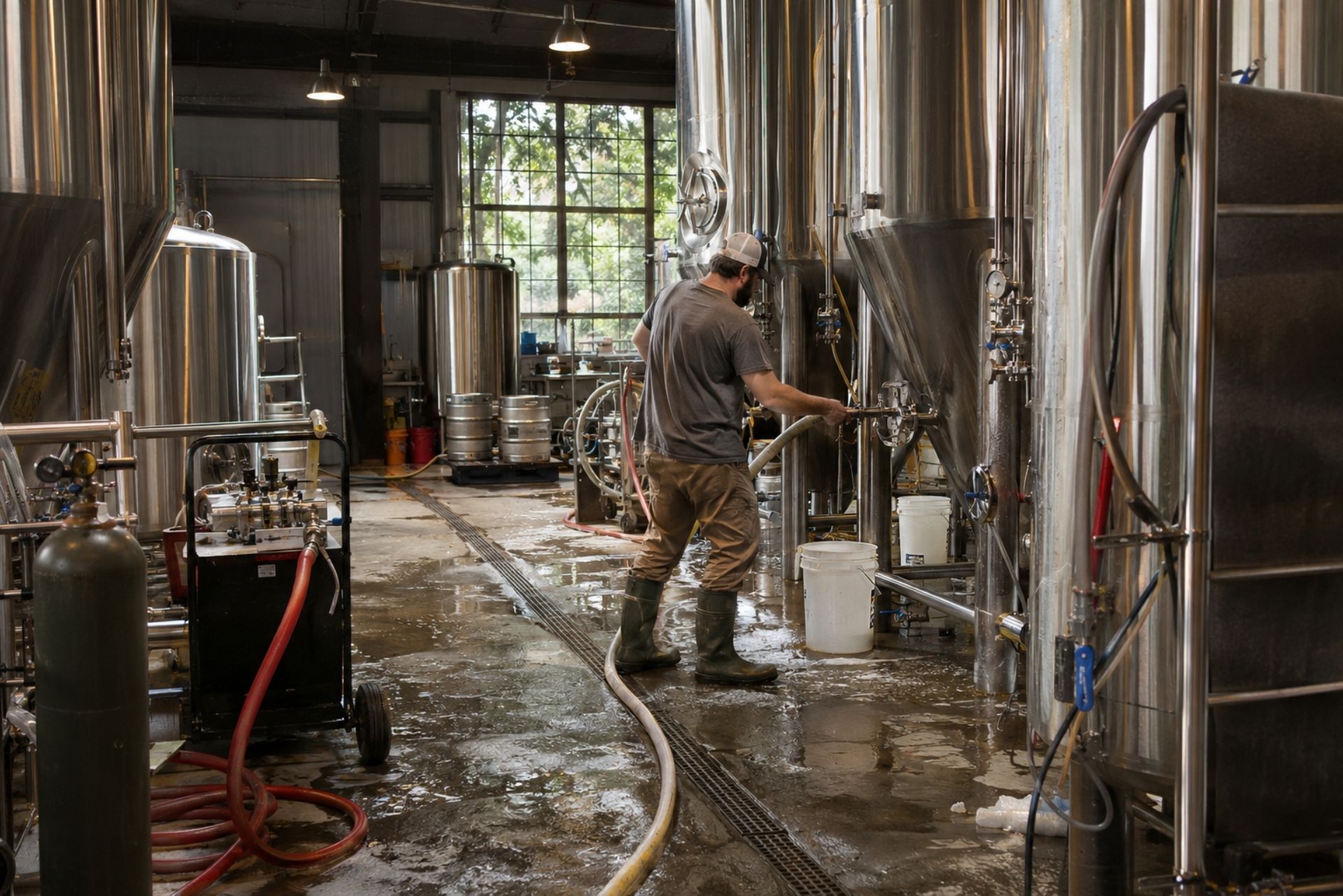
A forklift operator backs into a 30-barrel fermenter on a Friday afternoon. The tank splits, 900 gallons of IPA hits the floor, and the cooling system shorts out in the flood. By Monday you're looking at lost product, a damaged tank, an injured employee, and a canceled distribution order. Texas craft producers face this kind of stacked loss more often than most owners expect.
It's also why the question of what insurance a Texas brewery or distillery needs has a longer answer than "general liability." Margins are tight right now:
craft beer volume fell 4% in the first half of 2026. One uninsured claim can erase a year of growth.
Essential Liability Protection for Texas Craft Producers
Every taproom, tasting room, and production floor invites third parties in: customers, delivery drivers, tour groups, inspectors. If someone trips over a hose or gets burned near a still, you face a bodily injury claim. Liability coverage pays for defense costs and settlements, and the defense costs alone can climb fast even when you did nothing wrong.
Most landlords, distributors, and event organizers will ask for proof of liability coverage before signing anything. A common requirement is $1M per occurrence and a $2M aggregate. Read their contracts closely, because some also require you to name them as additional insureds.
General vs. Liquor Liability: Understanding the Difference
This is where we see the most dangerous gap. General liability almost always excludes injuries tied to serving alcohol. If you pour on-site, you need a separate
liquor liability policy.
| Coverage | What It Handles | Example Claim |
|---|---|---|
| General Liability | Slips, falls, property damage, advertising injury | Guest trips on a floor drain during a tour |
| Liquor Liability | Injuries caused by an intoxicated patron you served | Customer drives home and causes a crash |
| Product Liability | Illness or injury from your product | Contaminated batch or exploding bottle |
Texas dram shop law does give servers some protection. In Raoger Corp. v. Myers, the Texas Supreme Court held that plaintiffs need direct evidence of "obvious intoxication" at the time of service, and a post-accident BAC reading alone won't prove it. You still pay to defend the lawsuit, though. TABC seller-server certification for your staff strengthens your defense and often lowers premiums.
If you sell packaged product to go, also keep an eye on retail rules.
SB 650 requires most off-premise retailers to electronically scan IDs starting September 1, 2025. Check with your agent about whether your setup falls under it.

By: Michael Whitaker
Insurance Advisor at
Denton Business Insurance
Protecting Your Assets: Property, Equipment, and Product
Your equipment is probably your biggest investment. Brite tanks, a column still, a canning line, and glycol chillers can add up to more than the building itself. A commercial property policy covers buildings, equipment, and inventory against fire, wind, theft, and vandalism. In North Texas, hail is a real threat to rooftop chillers.
Insure property at replacement cost, not actual cash value. A ten-year-old fermenter that's been depreciated on paper still costs full price to replace. Business income coverage matters just as much, since it replaces lost revenue and pays ongoing bills like payroll and loan payments while you rebuild.
Distillers should pay close attention to aging inventory. A barrel of bourbon in year four is worth far more than its raw ingredients, so make sure your policy values finished and aging spirits properly.
Coverage for Spoilage and Equipment Breakdown
Standard property policies usually exclude mechanical failure. If your glycol system dies over a holiday weekend and three batches spoil, a basic policy may pay nothing. Two endorsements close that gap:
- Equipment Breakdown: Covers sudden mechanical or electrical failure of boilers, chillers, compressors, and refrigeration.
- Spoilage/Contamination: Pays for product lost to temperature changes, power outages, or contamination.
- Inland Marine: Protects mobile equipment like a beer trailer or a portable bar you take to festivals.
Operational Risks: Workers' Comp, Auto, and Cyber Security
Production work is physical. Employees lift 160-pound kegs, climb ladders to tank tops, handle caustic cleaners, and work around hot steam and flammable ethanol vapors. Back strains, chemical burns, and slips on wet floors are the claims we see most often.
Cyber risk is the one owners tend to underrate. Your POS terminals, online merch store, mug club database, and event ticketing platform all hold customer payment data. A breach can bring notification costs, forensic investigations, and lawsuits. Texas offers a useful incentive here: under SB 2610, businesses with fewer than 250 employees that keep a documented cybersecurity program, such as NIST or CIS frameworks, are shielded from punitive damages after a data breach. Pair a written security plan with a cyber liability policy and you've cut your exposure a lot.
Managing Texas Workers' Compensation and Hired Auto Risks
Texas is the only state where workers' comp is optional for private employers. That sounds like a savings opportunity until you learn what "non-subscribers" give up. Without coverage, an injured employee can sue you directly, and you lose key defenses like arguing the worker was partly at fault. A single serious burn claim can exceed decades of premiums.
On the auto side, commercial auto covers your delivery vans and box trucks. The gap shows up when staff or volunteers drive personal cars to a festival setup or a bar delivery. Their personal policy may deny the claim, and you get sued. Hired and Non-Owned Auto (HNOA) coverage fills that hole for very little cost.
Common Questions About Brewery and Distillery Insurance
Do I need liquor liability if I only offer free samples? Yes. Samples still count as serving alcohol, and general liability won't cover resulting injuries.
Is workers' comp required for my brewery in Texas? No, but skipping it exposes you to direct lawsuits with fewer legal defenses. Most producers with employees are better off covered.
Does property insurance cover a spoiled batch? Usually not on its own. You need a spoilage or equipment breakdown endorsement.
What happens if my policy lapses? Any claim during the gap goes uncovered, and distributors or landlords may treat it as a contract breach. Set up automatic payments and review renewal dates early.
Do festivals require special coverage? Many require certificates of insurance with specific limits and additional insured wording. Inland marine covers the equipment you bring.
Making the Right Choice for Your Texas Facility
The right coverage for a Texas craft producer comes down to matching policies to how you actually operate. Liquor liability for the taproom, property with breakdown and spoilage protection for the production floor, workers' comp for your crew, HNOA for event runs, and cyber for your payment systems. Leaving out any one of these creates exactly the kind of gap that sinks small producers after a bad week.
Denton Business Insurance is an independent agency, so we quote multiple carriers and aren't pushing one company's product. We'll walk your facility with you, find the exclusions hiding in your current policies, and build coverage that fits your budget. Call us before your next renewal and get a second set of eyes on your risk.
Straight from the Clients We Serve
Texas Business Owners Rate Us 5 Stars — Here Is Why
We hear the same things repeatedly: fast service, honest advice, and coverage that made sense for their situation. That is what we aim for every time.

Protection Across Every Area of Your BUSINESS
What Texas Businesses Need. What We Deliver.
From your job site and your fleet to your data and your payroll — we cover the risks that Texas businesses carry every day.
General Liability
Covers third-party claims of bodily injury, property damage, and advertising injury. A foundational protection for nearly every Texas business, regardless of industry or size.
Commercial Property
Covers your building, equipment, inventory, and business contents against fire, theft, storms, and vandalism. Can also include lost income if your businesses are forced to stop.
Commercial Auto
Protects vehicles your company owns, leases, or uses for work. Covers liability, collision damage, and injuries for employees driving on company time.
Errors & Omissions
Protects service providers when a client claims your advice, work, or recommendations caused them a financial loss. Critical for consultants, IT firms, agents, and other professional service businesses.
Directors & Officers
Covers leadership decisions that result in claims from employees, investors, or outside parties. Protects your directors and officers personally when management decisions are challenged.
Inland Marine & Equipment Floater
Covers tools, materials, and equipment that move between job sites or are stored off your primary property. Fills the gap where a standard commercial property policy stops.
Every Sector Has Its Own Risk Profile
We Know Your Trade. We Know Your Exposure.
We work with a wide range of Texas industries — each with different coverage priorities. Below are the sectors we serve most often.
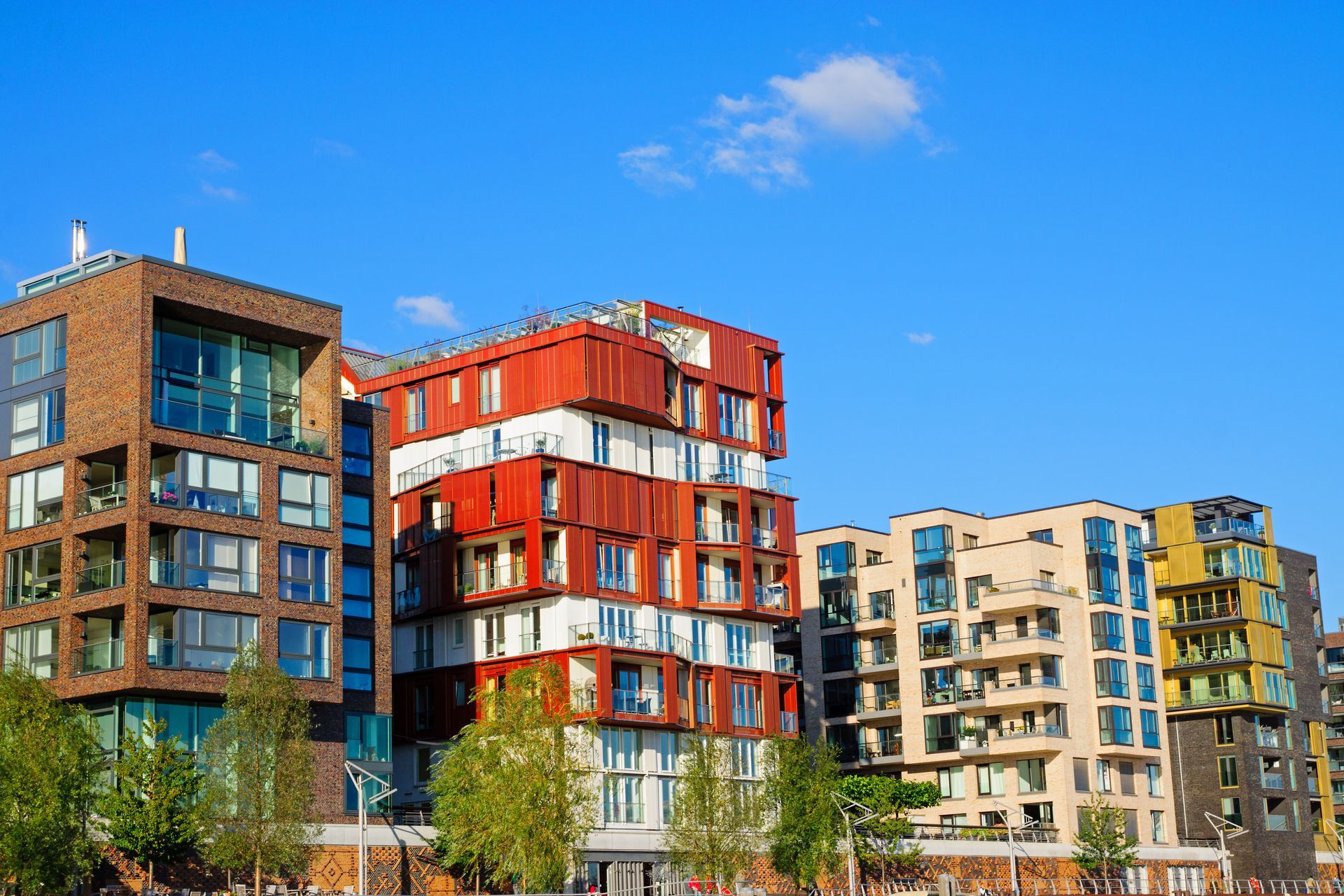
Apartment Complexes
Texas apartment owners face liability across common areas, tenant incidents, and on-site staff. We cover your property, your income, and your exposure — across one complex or an entire portfolio.
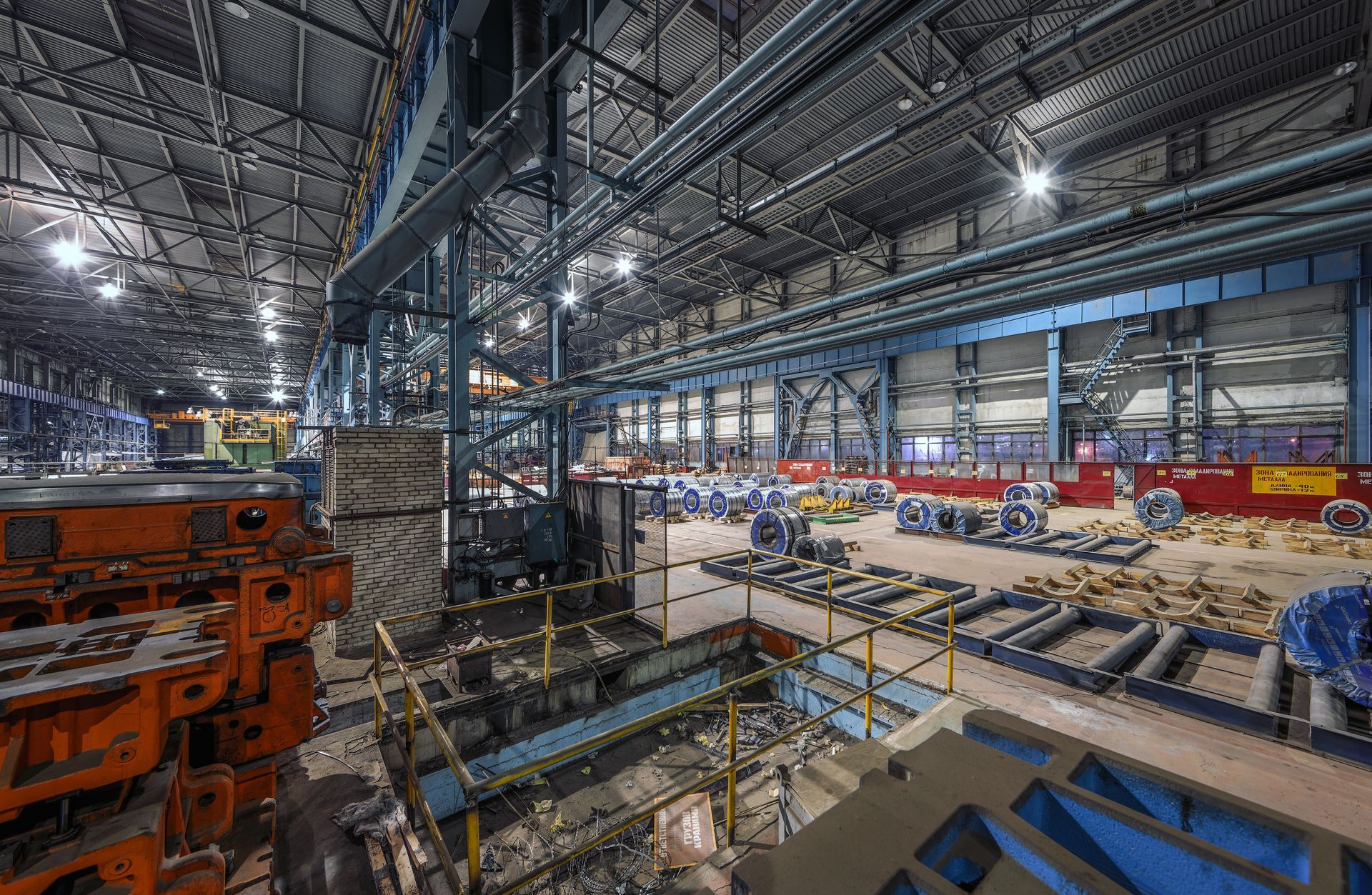
Manufacturing Businesses
Equipment breakdowns, product liability, and workforce injuries are daily risks for Texas manufacturers. We build coverage from the shop floor to the loading dock — so one incident does not shut you down.
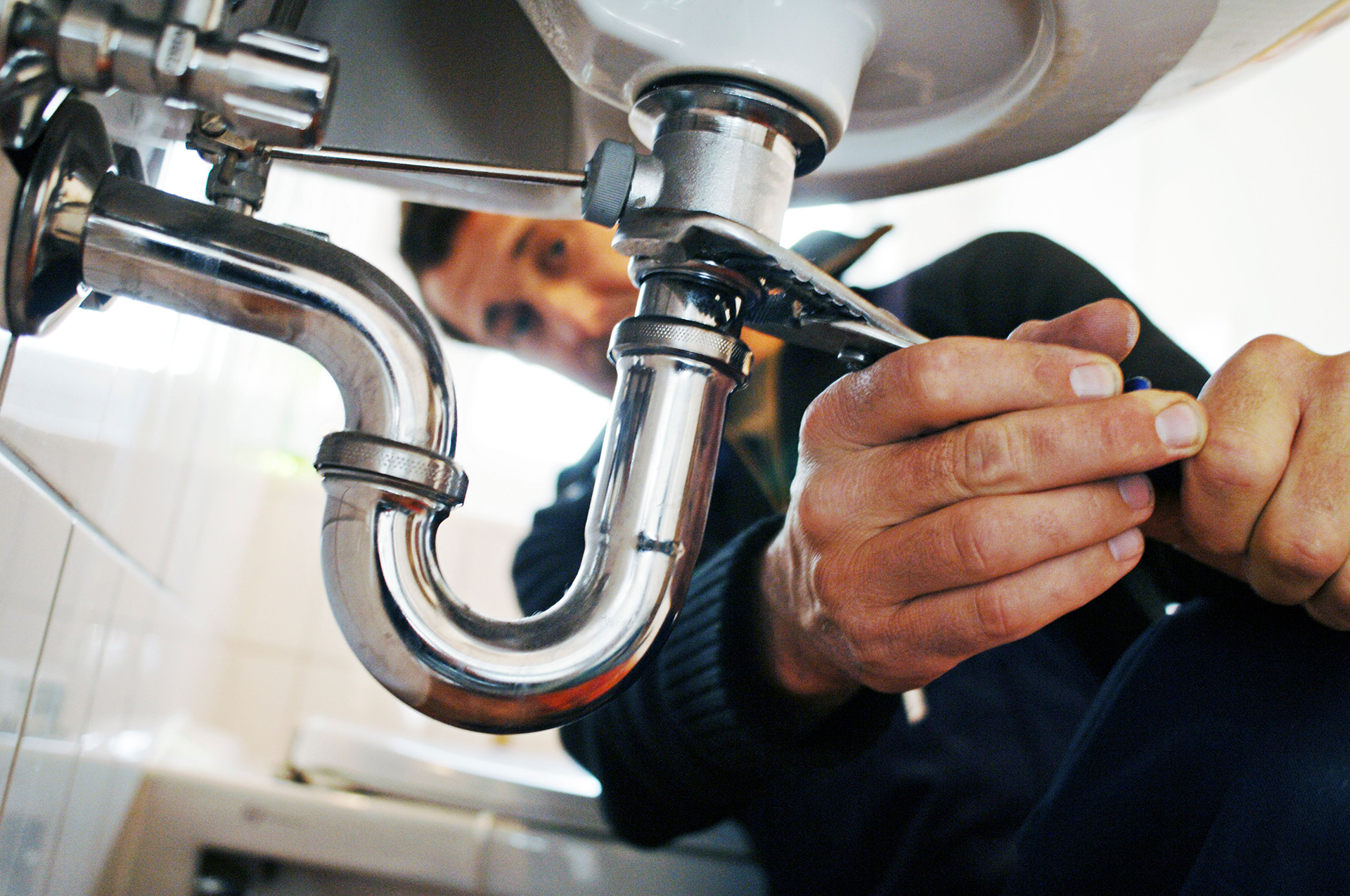
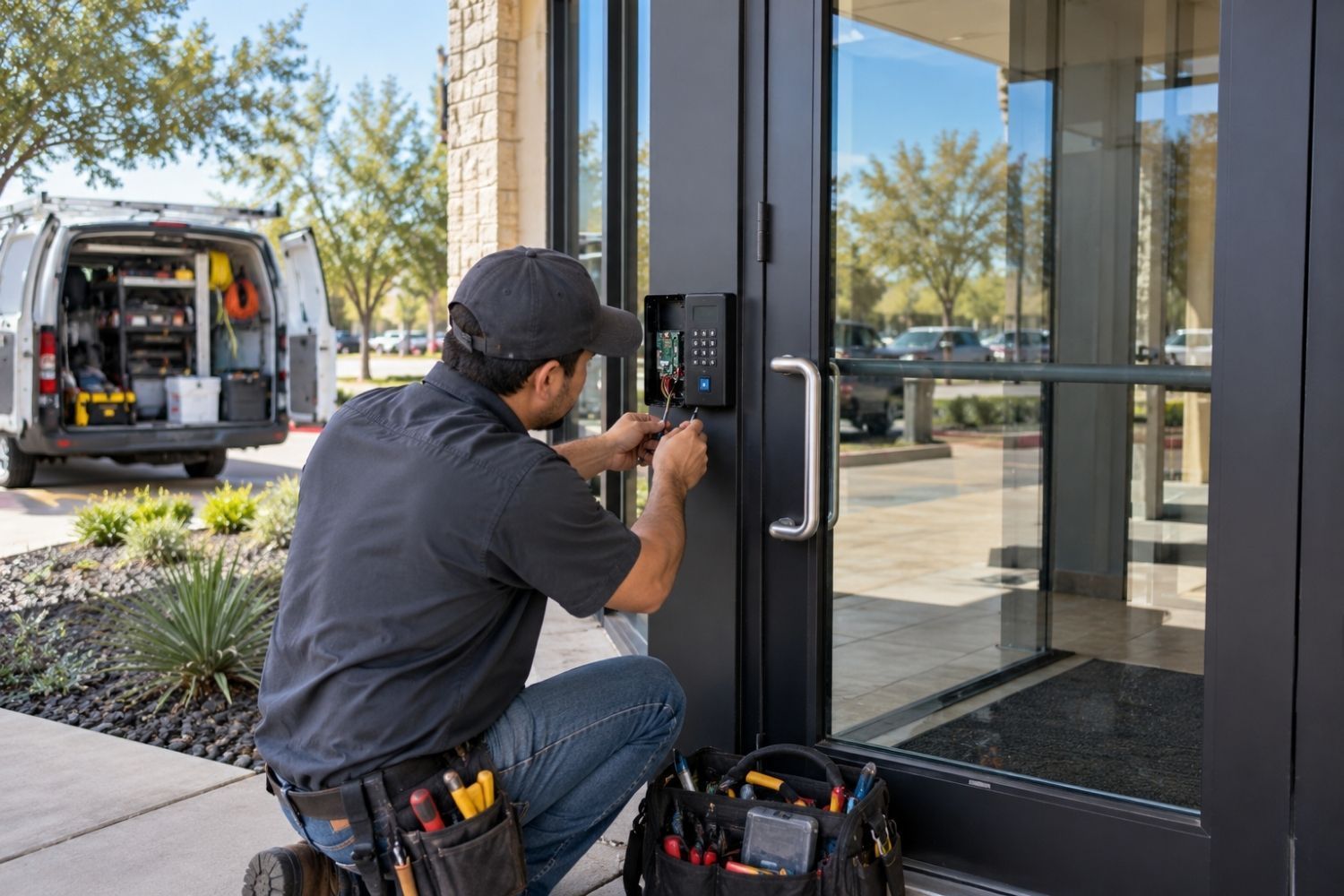
Artisan Contractors
Plumbers, electricians, and skilled tradespeople work in high-risk environments every day. We build coverage around your tools, your vehicles, and your crew — so a job site incident does not stop your business.
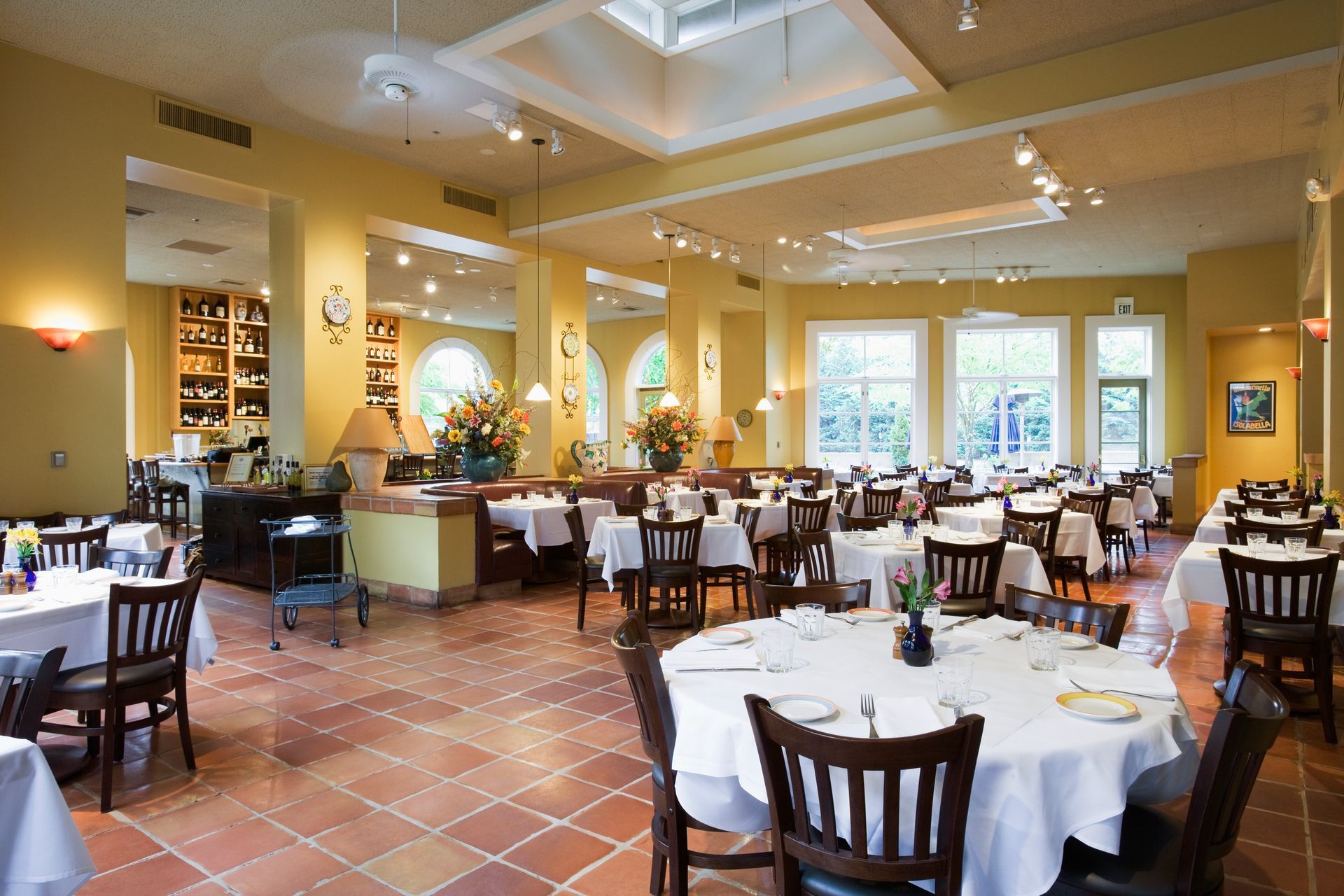
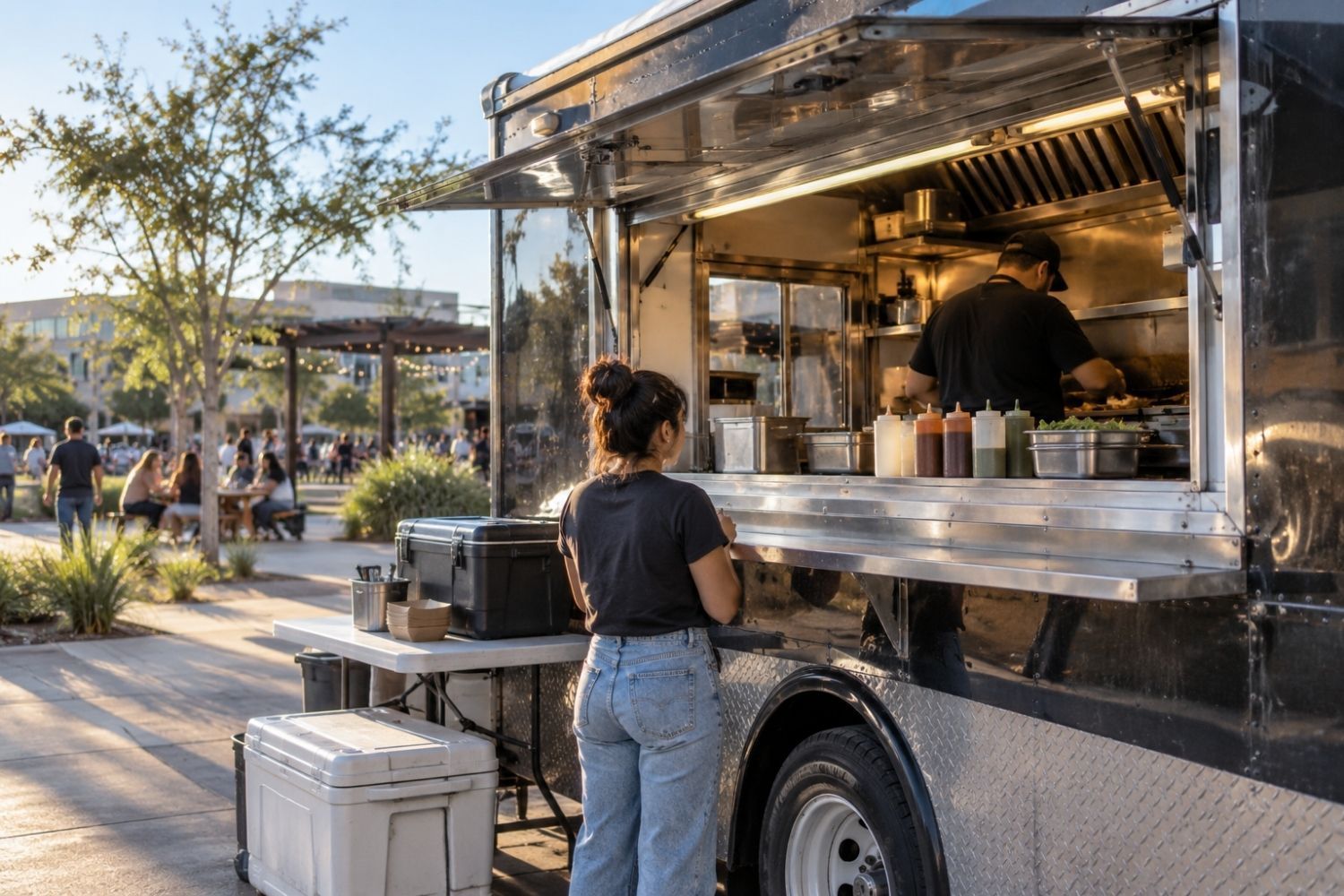
Restaurants & Food Service
Restaurants carry liability on every shift — from the kitchen to the dining room and everything in between. We protect your location, your staff, and your equipment, including lost income when operations stop.

Non-Profits Service
Non-profits face unique liability across events, volunteers, staff, and leadership decisions. We cover your organization from the ground up — so you can focus on your mission, not your exposure.

Event Insurance
Event organizers face liability the moment guests arrive, vendors set up, and alcohol is served. We cover your event from start to finish — so one unexpected incident does not cancel everything you planned for.
Answers Before You Pick Up the Phone
What Texas Businesses Ask Us Most
We get a lot of the same questions from business owners across Texas. Here are honest answers to the ones that come up most.
What information do you need to get a commercial insurance quote?
We keep the process straightforward. We typically need your business name, a description of your operations, your gross annual sales projection, number of full-time and part-time employees, your gross annual payroll, and the types of coverage you are looking for. If you have an existing policy, the expiration date and current carrier help us put together a competitive comparison.
The most important thing you can do is be transparent about what your business actually does. Accurate classification ensures you have real coverage if a claim occurs. We have seen businesses with active policies that were incorrectly classified — and those gaps only surface at the worst possible moment.
Does Texas require businesses to carry Workers' Compensation Insurance?
Texas is the only state in the country that does not require most private employers to carry Workers' Compensation. However, if your business holds government contracts or works as a subcontractor on a job site, the hiring company will almost always require proof of coverage before work begins. A growing number of general contractors across Denton and the DFW area enforce this as a standard condition.
Even without a legal requirement, carrying Workers' Comp protects your business from direct liability if an employee is hurt on the job. Medical bills, lost wages, and legal fees can add up quickly — and one serious incident can create a financial loss that far exceeds years of premium payments.
What is a commercial insurance audit and should I expect one?
Most commercial general liability policies are auditable. At the end of your policy term, the insurance carrier reviews your actual gross sales to make sure your premium matched your real exposure. If your sales grew during the year, you may owe an additional premium. If sales came in lower, you could receive a refund.
The best way to avoid a large balance due at audit time is to update your projected gross sales with us during the year if your business grows faster than expected. We can endorse your policy mid-term to reflect the change and spread any additional premium across smaller installments instead of one lump sum at year-end.
What factors affect how much my commercial coverage will cost?
Your premium is calculated based on several variables specific to your operation — industry classification, gross annual sales, number of employees, gross payroll, claims history, and the types of coverage you need. A business that handles physical work with a crew on job sites will pay differently than a professional services firm working out of an office.
As an independent agency, we compare quotes across multiple carriers — including Travelers, The Hartford, Chubb, AmTrust, and others — to find the combination of coverage and price that works for your situation. There is no obligation after your quote, and we walk through every option in plain terms before you decide anything.
My business is a restaurant — what coverage do I actually need?
Restaurants are not a one-size-fits-all class of risk. Carriers look at a range of factors when evaluating a restaurant account: whether you serve alcohol, whether deep frying is involved, the type of fire suppression system in place, whether you have a hood cleaning contract, and whether you offer catering, delivery, or live entertainment. All of these affect both pricing and carrier appetite.
A well-structured restaurant policy typically includes general liability, building and business personal property coverage, liquor liability if applicable, food contamination coverage, business income protection, and workers' compensation for your staff. We work with carriers that actively want to write restaurant accounts in Texas — including Travelers, The Hartford, and Chubb — so you have real options to compare.
Can you help insure a business that is hard to place or outside the mainstream?
Yes — this is one of our strengths. We work with Excess and Surplus (E&S) lines markets through carriers like Burns & Wilcox for businesses that standard carriers will not write. We have placed coverage for master sign electricians, cable splicing operations, transmission rebuild shops for classic cars, CBD retailers, and many other non-standard accounts.
If you have been told your business is difficult to insure or you have received very limited options in the marketplace, reach out to us. We take time to understand your operations in detail, present your account to the right markets, and work to find coverage that actually reflects what you do — not a generic policy that leaves gaps.
Still have Question?
We’re here to help you!
Written for the Texas Business Owner
Insights That Help You Make Smarter Decisions
We publish articles on real topics that affect how Texas operators get covered — from local regulatory updates to coverage gaps most owners do not know they have.