A customer buys two handles of vodka at 9:40 on a Friday night. Your clerk scans the ID, rings the sale, and wishes him a good weekend. Ninety minutes later, a police officer calls your store because that customer rear-ended a family on I-35E and the receipt was in his cup holder.
Maybe your store did nothing wrong. You still need a lawyer, you may still face a claim, and the policies you bought three years ago decide whether this becomes a bad month or the end of the business. That gap between "we followed the rules" and "we're protected" catches many Texas liquor store owners.
So what insurance does a Texas
liquor store need? It is more than a
general liability certificate taped to the back office wall. You are holding expensive inventory, handling thousands of card transactions, managing employees in a state with unusual workers' comp rules, and selling a product that Texas law treats as a liability risk.
The right package covers liability, property,
auto, cyber, and
workers' compensation, and each piece has its own traps.
Texas package stores operate under tighter scrutiny than they did a couple of years ago. The rules have changed in ways that directly affect how underwriters view your store.
The biggest shift is ID scanning. Since September 1, 2025, the Deshawn Jagwan Act (SB 650) requires off-premise retailers to electronically scan identification for every sale, and failing to comply carries criminal liability. A clerk who eyeballs a license during a rush is no longer just making a training mistake. They are creating a legal problem, and insurers will ask about your scanning process at renewal.
Compliance paperwork matters too. TABC-licensed locations issued in 2024 or earlier had to submit a 2026 digital compliance report through the AIMS system by June 30, 2026. If you missed that, fix it now. Underwriters writing liquor liability want to see a clean license record, and a compliance lapse can make it harder to place coverage.
Here's what that means for you: carriers look at three things before quoting a liquor store.
- Your compliance history: TABC violations, sales-to-minor citations, and how you train staff.
- Your building and inventory: construction, roof condition, security systems, and total stock value.
- Your operations: delivery, online ordering, hours, and headcount.
A store with documented ID scanning, camera coverage, and written refusal policies often gets better terms than a similar store that can't show any of it.

By: Michael Whitaker
Insurance Advisor at
Denton Business Insurance
The Foundation: General Liability and Liquor Liability
These two policies get confused constantly, and that confusion is one of the most expensive mistakes we see. General liability covers injuries and property damage from your premises and operations. Liquor liability covers claims arising from selling alcohol to someone who then causes harm.
Most standard general liability policies contain a liquor liability exclusion for businesses that sell alcohol. If you hold a TABC permit and assume your GL policy handles a drunk-driving claim, read the exclusions page. Odds are it doesn't.
For a sense of cost, a standard $1M/$2M general liability policy for Texas brick-and-mortar retail typically runs about $50 to $115 per month. Liquor liability is priced separately and depends on your sales volume, location, and claims record.
Dram Shop Laws and Your Liability Exposure
Texas dram shop law allows a business to be held liable if it sold alcohol to someone who was obviously intoxicated to the point of presenting a clear danger, and that intoxication caused the damage. Package stores face this exposure just like bars do, even though nobody drinks on site.
Texas also has a "safe harbor" defense. If your employees completed TABC-approved seller-server training, you required it, and you didn't directly or indirectly encourage the violation, you may be shielded from liability for an employee's mistake. That defense only helps if you can prove it, so keep training certificates current and on file for every clerk.
The liquor liability market has hardened in North Texas. After a historic $301 billion DWI verdict in the region, some establishments saw annual liquor liability premiums jump from $20,000 to over $60,000. Package stores generally pay less than bars, but the pressure on carriers is real, and limits that felt generous five years ago may look thin today.
Slip-and-Fall Protection for Retail Spaces
Liquor stores have a hazard most retailers don't: broken glass and spilled liquid on hard floors. A dropped bottle of tequila in aisle three becomes a slick, sharp mess in seconds.
Typical GL claims we see in this business include:
- A customer slipping on spilled wine near the cooler doors
- A falling case from an overstocked endcap striking a shopper
- A parking lot trip on a cracked curb or poorly lit walkway
- Damage to a customer's car from a cart or delivery dolly
Medical payments coverage, usually built into GL, pays small injury bills regardless of fault. It often settles minor incidents before they turn into lawsuits. Keep a spill kit at the register and log every cleanup with a timestamp.
Protecting Your Inventory and Physical Assets
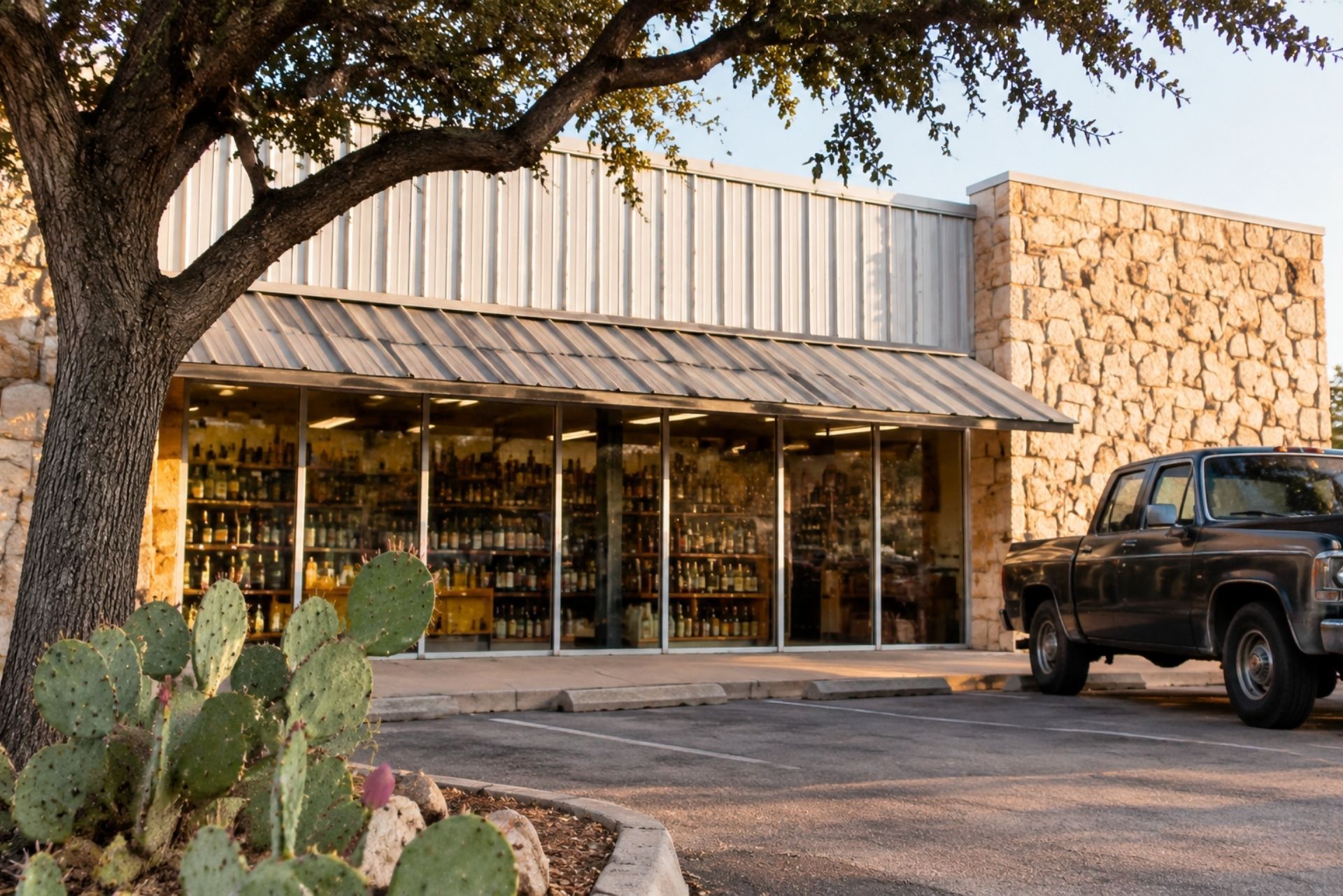
Walk your sales floor and add up what's on the shelves. For many Texas liquor stores, inventory alone runs into six figures, sometimes well beyond. Then add coolers, shelving, the POS system, security cameras, and signage.
Property costs in Texas have climbed sharply, which pushes some owners to underinsure to save money. That's a bet that rarely pays off. A store insured for half its inventory value after a fire gets half a recovery, and you can't reopen with half your stock.
There's some relief on the regulatory side. Under a 2026 TDI directive, insurers can't refuse to write or renew property policies based only on the age of the property or its components, such as the roof. If a carrier non-renewed you over an older roof, ask an agent to re-shop it. Other factors still count, but age alone is no longer a valid reason.
Commercial Property vs. Business Personal Property
Commercial property coverage protects the building itself. If you lease, your landlord typically insures the structure, though your lease may make you responsible for improvements like custom shelving, walk-in coolers, or flooring.
Business personal property (BPP) covers everything inside: inventory, fixtures, registers, computers, furniture. Most leased liquor stores need BPP far more than building coverage. Check your lease for an "improvements and betterments" clause, because those upgrades often fall into a gray area.
One tax note that affects how you track assets: effective January 1, 2026, the Texas business personal property tax exemption rose from $2,500 to $125,000 under Proposition 9. Many small stores may owe less property tax now, but don't let that change how you value assets for insurance. Insure to replacement cost, not to the tax figure.
Coverage for High-Value Spirits and Rare Finds
Allocated bourbon, limited Japanese whisky, and vintage wine create a valuation problem. A standard policy may pay your cost, not the retail value, and proving the cost of a bottle you got through an allocation lottery can get messy.
A few endorsements worth asking about:
- Peak season coverage: raises your inventory limit automatically during November and December, when stock swells.
- Equipment breakdown: pays when a compressor dies in your walk-in cooler or the HVAC fails in August, including spoiled beer and wine.
- Spoilage coverage: covers temperature-sensitive product lost to power outages or mechanical failure.
- Crime and employee dishonesty: covers theft by staff, a common and underreported loss in liquor retail.
- Inland marine: protects stock or equipment while it's off-site, like at a tasting event.
Keep invoices and photos of high-end stock. Claims adjusters respond much faster to documentation than to memory.
Essential Operational Coverages: Auto, Cyber, and Workers' Comp
Texas is the only state where private employers can choose not to carry workers' compensation. That sounds like a cost saving until you see what non-subscribers give up.
Without coverage, you lose key legal defenses if an employee sues over a workplace injury. You can't argue the employee was partly at fault, that a coworker caused it, or that the employee assumed the risk. A stockroom worker who hurts their back lifting cases of beer can sue you directly, and juries are not always sympathetic to the employer.
Liquor stores see plenty of injuries: lifting strains, cuts from broken glass, falls from ladders, and injuries during robberies. A workers' comp policy pays medical bills and lost wages and, in most cases, keeps the claim out of court. Non-subscribers also must notify the Texas Department of Insurance and their employees. For most stores with even two or three employees, we recommend carrying it.
Hired and Non-Owned Auto for Delivery Services
If your store delivers or your manager runs to the distributor in their own pickup, you have an auto exposure your GL policy won't cover. Their personal auto policy may deny the claim because the driving was for business.
Hired and non-owned auto (HNOA) coverage fills that gap. It protects your business when employees, family members helping out, or even volunteers at a charity tasting use personal or rented vehicles for store errands. It's one of the cheapest additions you can make.
If you own a delivery van, you need a commercial auto policy. Expect cost pressure: the Texas Automobile Insurance Plan Association received approval for a 4.9% commercial auto rate increase effective November 1, 2026. Remember too that delivered alcohol still requires age verification at the door.
Cyber Liability for POS Systems and Customer Data
Liquor stores run high transaction volumes with a lot of card swipes, and now electronic ID scans. That combination makes you a target. A compromised POS terminal can leak thousands of card numbers before anyone notices.
Cyber liability covers breach notification costs, forensic investigation, card brand fines, and lawsuits from affected customers. It can also cover ransomware attacks that lock your register system on a Saturday afternoon.
Ask specifically about third-party integrations. If you take orders through an online platform or delivery app, find out who's responsible when their system is breached using your customer data. ID scanners store personal information too, so confirm your policy treats that data as covered.
Comparison of Coverage Limits and Requirements
No single answer fits every store, but this table shows common starting points and what each policy does.
| Coverage | What It Pays For | Common Starting Limit | Required in Texas? |
|---|---|---|---|
| General Liability | Customer injuries, property damage | $1M per occurrence / $2M aggregate | Not by law; landlords usually require it |
| Liquor Liability | Claims tied to alcohol sales | $1M / $2M | Not by state law; often required by landlords or lenders |
| Business Personal Property | Inventory, fixtures, equipment | Full replacement cost | No |
| Commercial Property | Building and improvements | Replacement cost | Lender may require |
| Commercial Auto | Owned business vehicles | Above state minimums | Yes, for owned vehicles |
| HNOA | Employee or volunteer vehicles used for business | Often matches auto limits | No |
| Cyber Liability | Data breaches, ransomware | $250K to $1M | No |
| Workers' Comp | Employee injuries and lost wages | Statutory | Optional, but non-subscribers lose defenses |
| Umbrella | Excess over GL, auto, liquor | $1M to $5M | No |
The column people skip is the umbrella. Given how large Texas alcohol verdicts have gotten, a $1M liquor limit may not be enough for a busy store near a highway. Check that your umbrella sits over liquor liability; some don't.
Owners always ask for a number. The honest answer: your premium depends on factors you can partly control.
General liability is the most predictable piece, typically $50 to $115 per month for a standard $1M/$2M policy at a Texas brick-and-mortar retail location. Liquor liability varies the most. Annual gross alcohol sales drive the rate, and location, years in business, and claims history adjust it up or down.
Property premiums depend heavily on where you are. Hail exposure in North Texas, hurricane exposure on the coast, building age, and sprinkler systems all affect pricing. Workers' comp is priced per $100 of payroll by job classification, so a store with mostly part-time clerks pays differently than one with full-time warehouse staff.
What actually lowers premiums:
- Documented TABC seller training for every employee, kept on file
- ID scanning logs that prove compliance with SB 650
- Central station alarm and camera systems for property and crime rates
- Higher deductibles on property, if you have cash reserves to absorb them
- Bundling GL and property in a business owner's policy where eligible
- Clean loss history, which means reporting small incidents properly instead of letting them grow
A policy that's 20% cheaper often has a liquor exclusion you didn't notice, or an inventory limit far below your stock. Compare coverage line by line, not just price.
Frequently Asked Questions About Liquor Store Insurance
Does my general liability policy cover alcohol-related claims? Usually not. Most GL policies exclude liquor liability for businesses that sell alcohol, so you need a separate liquor liability policy.
Do I really need workers' comp if Texas doesn't require it? Legally, no. Practically, going without it means an injured employee can sue you and you lose defenses like comparative fault, which can cost far more than the premium.
What happens if my insurance lapses? Your landlord may consider your lease in default, and any claim during the gap goes uncovered. A lapse can also raise your rates or limit which carriers will write you later.
Will my insurance cover stolen inventory? Burglary from outside is generally covered under property or crime coverage. Employee theft usually needs a specific crime or employee dishonesty endorsement.
Can my policy be canceled because my roof is old? Insurers can't refuse to write or renew a property policy based only on roof or building age under the 2026 TDI directive. They can still consider actual condition and other risk factors.
Do I need cyber insurance if I use a big-name POS company? Yes. Your POS provider protects its own systems, but a breach at your terminals or through your network often lands on you.
Making the Right Choice for Your Store
The insurance a Texas liquor store needs comes down to matching coverage with your real risks: dram shop claims, broken-glass injuries, six-figure inventory, data-heavy registers, and employees who lift heavy cases all day. Get liquor liability separate from GL, insure inventory at replacement cost, add HNOA if anyone drives for the store, and think hard before going without workers' comp.
Denton Business Insurance is an independent agency, so we're not limited to one carrier's appetite. We shop multiple top-rated companies to find liquor store coverage that fits your sales volume, location, and budget, and we'll point out the exclusions before they surprise you.
Call us for a coverage review before your next renewal. Bring your current policies, your TABC training records, and your inventory figures, and we'll show you exactly where you stand.
Straight from the Clients We Serve
Texas Business Owners Rate Us 5 Stars — Here Is Why
We hear the same things repeatedly: fast service, honest advice, and coverage that made sense for their situation. That is what we aim for every time.

Protection Across Every Area of Your BUSINESS
What Texas Businesses Need. What We Deliver.
From your job site and your fleet to your data and your payroll — we cover the risks that Texas businesses carry every day.
General Liability
Covers third-party claims of bodily injury, property damage, and advertising injury. A foundational protection for nearly every Texas business, regardless of industry or size.
Commercial Property
Covers your building, equipment, inventory, and business contents against fire, theft, storms, and vandalism. Can also include lost income if your businesses are forced to stop.
Commercial Auto
Protects vehicles your company owns, leases, or uses for work. Covers liability, collision damage, and injuries for employees driving on company time.
Errors & Omissions
Protects service providers when a client claims your advice, work, or recommendations caused them a financial loss. Critical for consultants, IT firms, agents, and other professional service businesses.
Directors & Officers
Covers leadership decisions that result in claims from employees, investors, or outside parties. Protects your directors and officers personally when management decisions are challenged.
Inland Marine & Equipment Floater
Covers tools, materials, and equipment that move between job sites or are stored off your primary property. Fills the gap where a standard commercial property policy stops.
Every Sector Has Its Own Risk Profile
We Know Your Trade. We Know Your Exposure.
We work with a wide range of Texas industries — each with different coverage priorities. Below are the sectors we serve most often.

Apartment Complexes
Texas apartment owners face liability across common areas, tenant incidents, and on-site staff. We cover your property, your income, and your exposure — across one complex or an entire portfolio.
Manufacturing Businesses
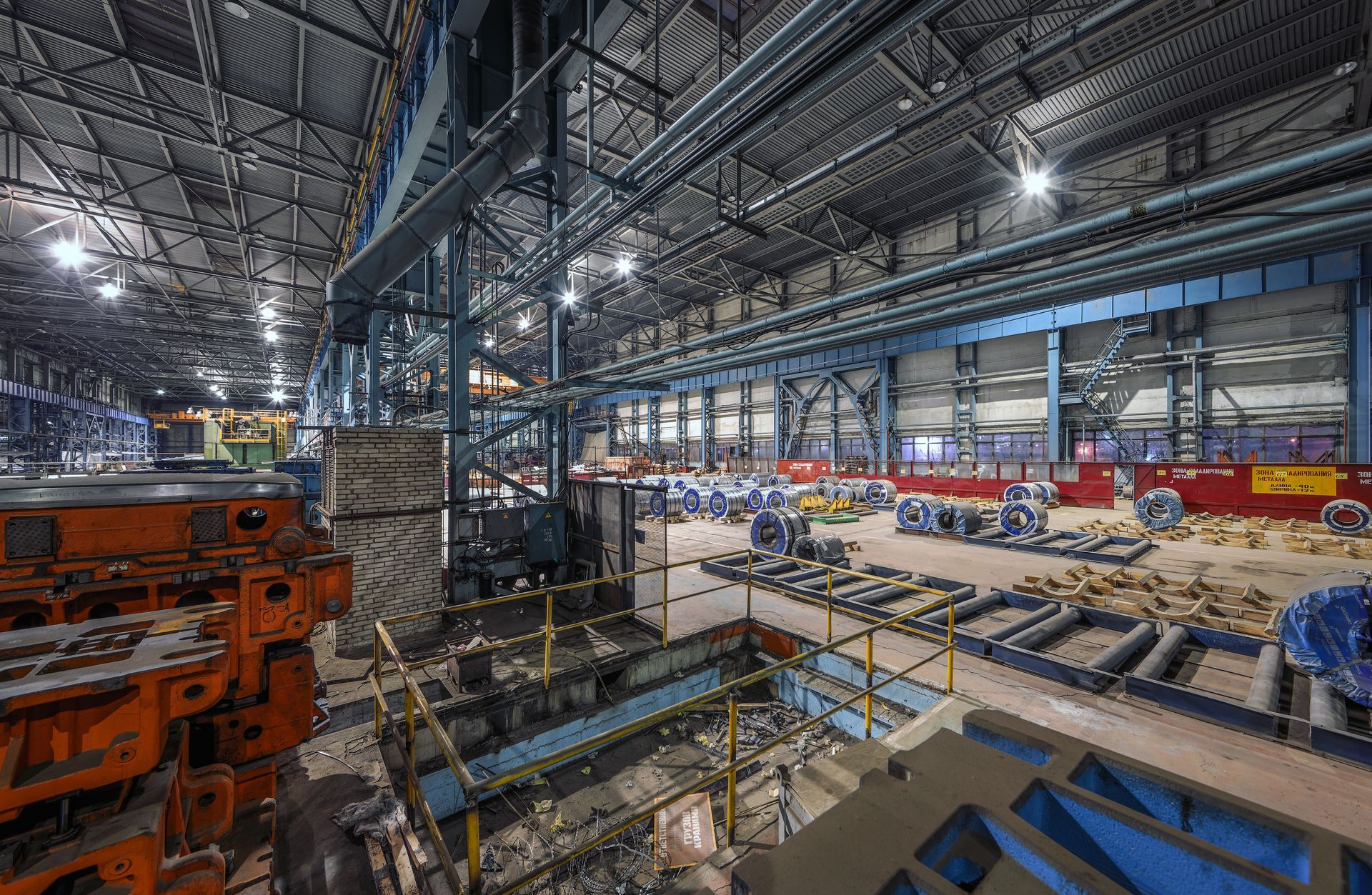
Equipment breakdowns, product liability, and workforce injuries are daily risks for Texas manufacturers. We build coverage from the shop floor to the loading dock — so one incident does not shut you down.
Artisan Contractors
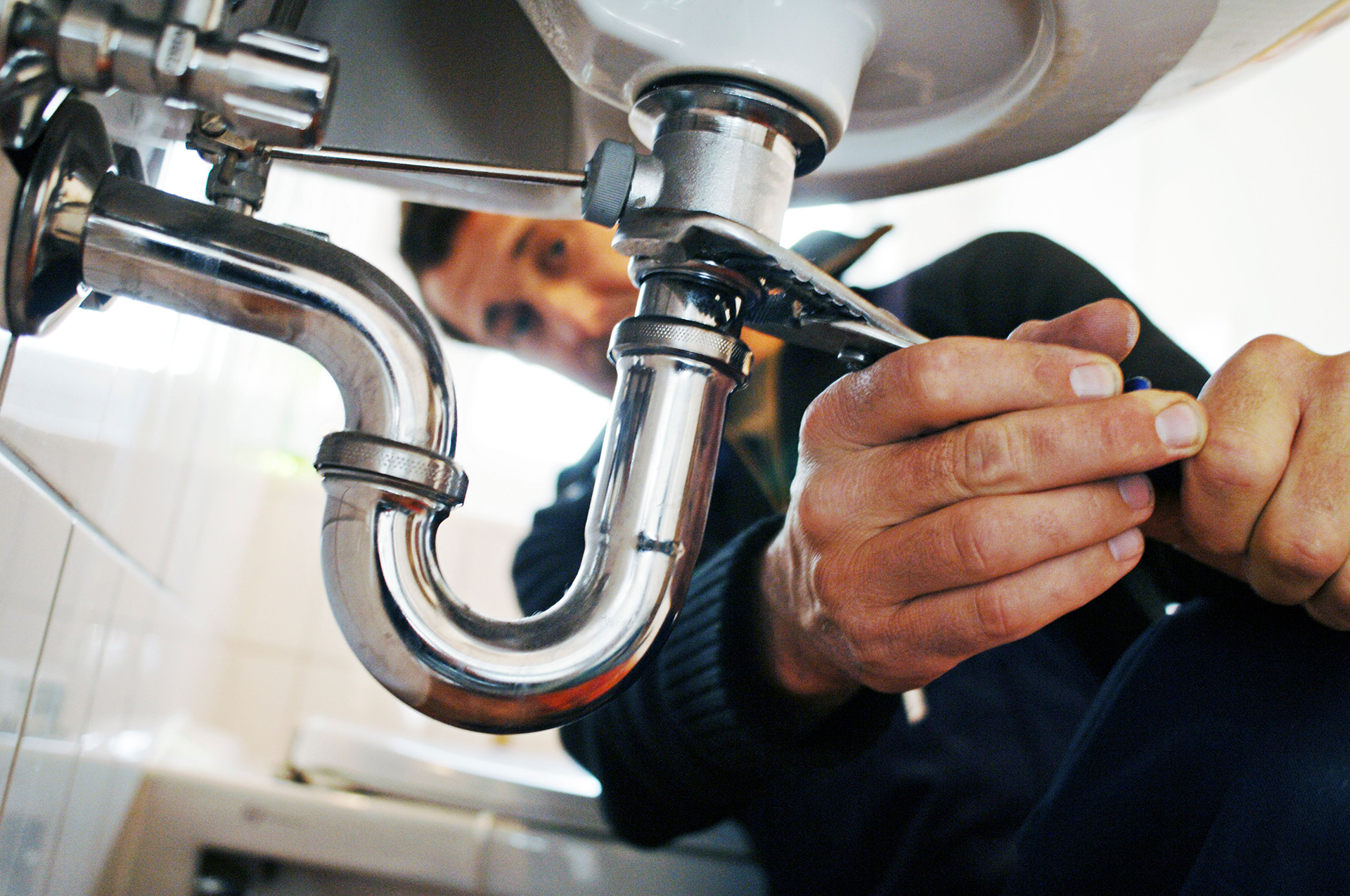
Plumbers, electricians, and skilled tradespeople work in high-risk environments every day. We build coverage around your tools, your vehicles, and your crew — so a job site incident does not stop your business.
Restaurants & Food Service
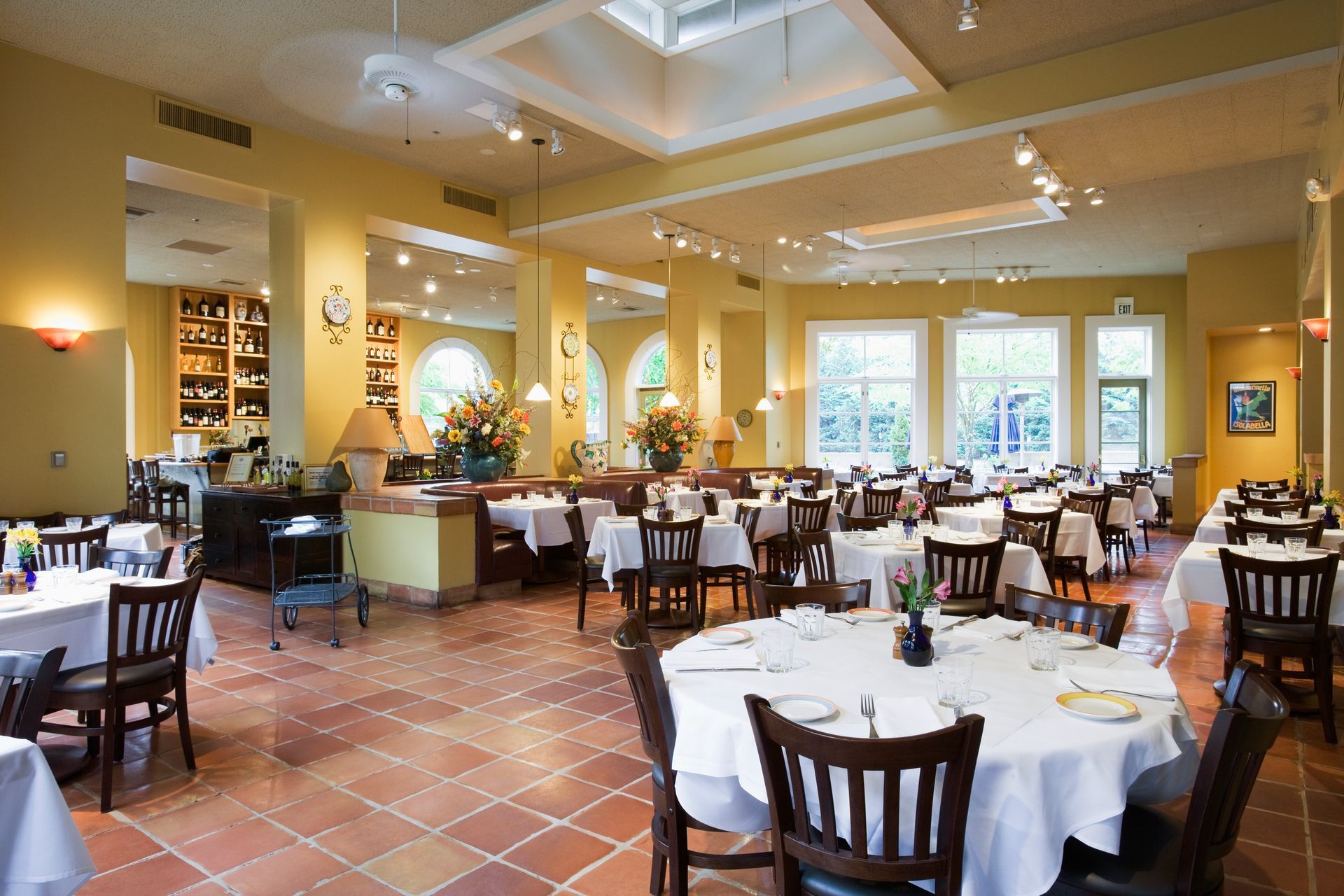
Restaurants carry liability on every shift — from the kitchen to the dining room and everything in between. We protect your location, your staff, and your equipment, including lost income when operations stop.

Non-Profits Service
Non-profits face unique liability across events, volunteers, staff, and leadership decisions. We cover your organization from the ground up — so you can focus on your mission, not your exposure.

Event Insurance
Event organizers face liability the moment guests arrive, vendors set up, and alcohol is served. We cover your event from start to finish — so one unexpected incident does not cancel everything you planned for.
Answers Before You Pick Up the Phone
What Texas Businesses Ask Us Most
We get a lot of the same questions from business owners across Texas. Here are honest answers to the ones that come up most.
What information do you need to get a commercial insurance quote?
We keep the process straightforward. We typically need your business name, a description of your operations, your gross annual sales projection, number of full-time and part-time employees, your gross annual payroll, and the types of coverage you are looking for. If you have an existing policy, the expiration date and current carrier help us put together a competitive comparison.
The most important thing you can do is be transparent about what your business actually does. Accurate classification ensures you have real coverage if a claim occurs. We have seen businesses with active policies that were incorrectly classified — and those gaps only surface at the worst possible moment.
Does Texas require businesses to carry Workers' Compensation Insurance?
Texas is the only state in the country that does not require most private employers to carry Workers' Compensation. However, if your business holds government contracts or works as a subcontractor on a job site, the hiring company will almost always require proof of coverage before work begins. A growing number of general contractors across Denton and the DFW area enforce this as a standard condition.
Even without a legal requirement, carrying Workers' Comp protects your business from direct liability if an employee is hurt on the job. Medical bills, lost wages, and legal fees can add up quickly — and one serious incident can create a financial loss that far exceeds years of premium payments.
What is a commercial insurance audit and should I expect one?
Most commercial general liability policies are auditable. At the end of your policy term, the insurance carrier reviews your actual gross sales to make sure your premium matched your real exposure. If your sales grew during the year, you may owe an additional premium. If sales came in lower, you could receive a refund.
The best way to avoid a large balance due at audit time is to update your projected gross sales with us during the year if your business grows faster than expected. We can endorse your policy mid-term to reflect the change and spread any additional premium across smaller installments instead of one lump sum at year-end.
What factors affect how much my commercial coverage will cost?
Your premium is calculated based on several variables specific to your operation — industry classification, gross annual sales, number of employees, gross payroll, claims history, and the types of coverage you need. A business that handles physical work with a crew on job sites will pay differently than a professional services firm working out of an office.
As an independent agency, we compare quotes across multiple carriers — including Travelers, The Hartford, Chubb, AmTrust, and others — to find the combination of coverage and price that works for your situation. There is no obligation after your quote, and we walk through every option in plain terms before you decide anything.
My business is a restaurant — what coverage do I actually need?
Restaurants are not a one-size-fits-all class of risk. Carriers look at a range of factors when evaluating a restaurant account: whether you serve alcohol, whether deep frying is involved, the type of fire suppression system in place, whether you have a hood cleaning contract, and whether you offer catering, delivery, or live entertainment. All of these affect both pricing and carrier appetite.
A well-structured restaurant policy typically includes general liability, building and business personal property coverage, liquor liability if applicable, food contamination coverage, business income protection, and workers' compensation for your staff. We work with carriers that actively want to write restaurant accounts in Texas — including Travelers, The Hartford, and Chubb — so you have real options to compare.
Can you help insure a business that is hard to place or outside the mainstream?
Yes — this is one of our strengths. We work with Excess and Surplus (E&S) lines markets through carriers like Burns & Wilcox for businesses that standard carriers will not write. We have placed coverage for master sign electricians, cable splicing operations, transmission rebuild shops for classic cars, CBD retailers, and many other non-standard accounts.
If you have been told your business is difficult to insure or you have received very limited options in the marketplace, reach out to us. We take time to understand your operations in detail, present your account to the right markets, and work to find coverage that actually reflects what you do — not a generic policy that leaves gaps.
Still have Question?
We’re here to help you!
Written for the Texas Business Owner
Insights That Help You Make Smarter Decisions
We publish articles on real topics that affect how Texas operators get covered — from local regulatory updates to coverage gaps most owners do not know they have.