Texas Gas Station and Convenience Store Insurance

See How We're Different
Call Us: (940) 268-5112
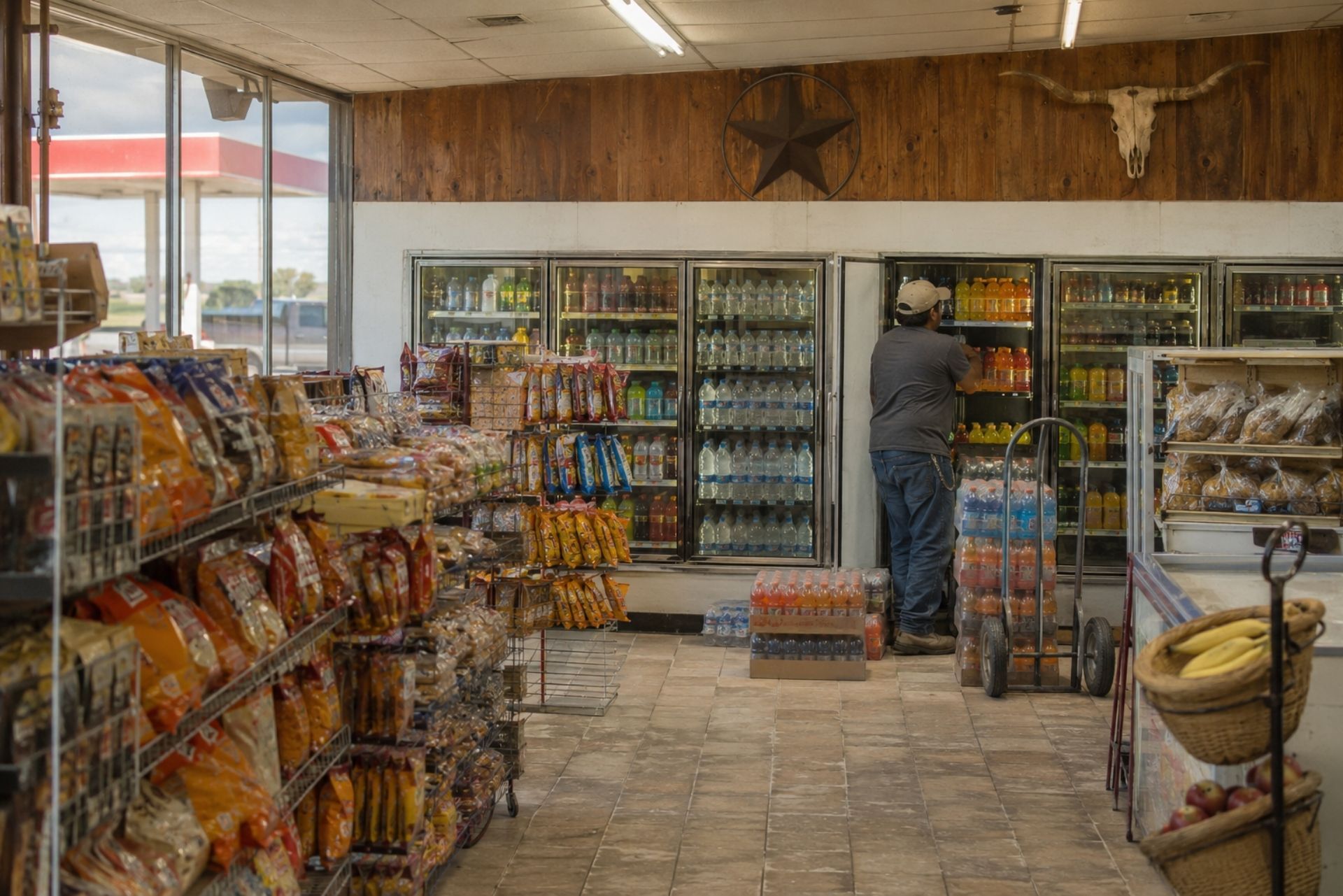
It's 10:40 on a Friday night in Waco. A customer slips on a puddle of melted ice near the fountain drink station and fractures a wrist. Twenty minutes later, a regular who already bought a twelve-pack gets behind the wheel and clips a pedestrian two blocks away. By Monday, the owner has two claim letters, a missing deposit bag from the overnight shift, and a card reader at pump 4 that nobody realizes has been skimmed for three weeks.
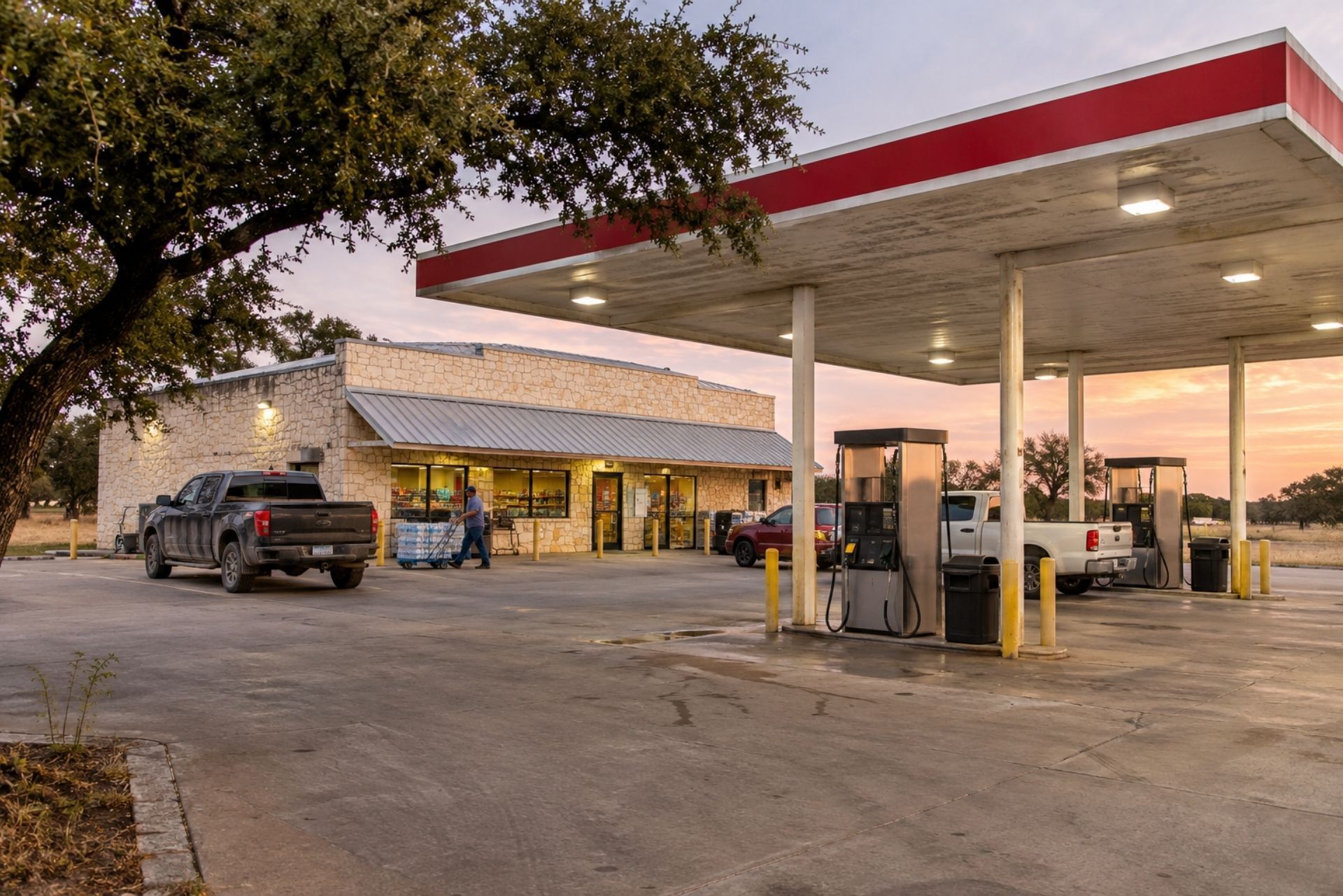
None of this is far-fetched. A Texas fuel and convenience operation stacks more exposures under one canopy than almost any other small business: flammable product in the ground, alcohol and tobacco at the counter, cash in the drawer, cards at the pump, and a steady stream of strangers walking across wet concrete. Each of those exposures maps to a specific type of coverage, and gaps between them are where owners get hurt.
So what insurance does a Texas gas station and convenience store need? The short answer is
liability, property, auto, cyber, and workers' compensation, plus a few specialized pieces most
generic quotes leave out. The longer answer, with honest cost factors and the mistakes we see most often, follows below.
Risk Management for Texas Fuel and Retail Businesses
Insurance only pays after something goes wrong. The owners who get the best rates, and who keep their policies at renewal, are usually the ones who can show an underwriter they're actively shrinking the odds of a claim. Carriers that write fuel retail look closely at loss history, and a store with three slip-and-fall claims in two years will pay more, or get declined, regardless of revenue.
The Texas market is also tightening. State leaders have pointed to fraud as a major cost driver, and Governor Abbott created an Insurance Fraud Task Force aimed at rising claim costs in the property and casualty market. Staged falls and inflated injury claims hit convenience stores hard, which is why documentation matters so much.
A few habits pay off at underwriting time and in court:
- Camera coverage of every aisle, entrance, and pump island, with footage kept long enough to answer a claim filed weeks later
- Written floor inspection logs, especially near coolers, ice machines, and entrances during rain
- Age verification training with signed acknowledgment from every clerk who sells alcohol or tobacco
- Cash handling limits, like drop safes and posted signs stating the register holds little cash
- Tank monitoring records that show leak detection is current and alarms get answered
These steps don't replace coverage. They make your coverage cheaper and easier to defend when a claim lands.

By: Michael Whitaker
Insurance Advisor at
Denton Business Insurance
Core Liability Protections for Gas Station Owners
Liability is where most of the money goes in a serious claim. A gas station and c-store actually needs three distinct kinds, and owners often assume one policy handles all of them. It doesn't.
General Liability and Slip-and-Fall Risks
General liability covers bodily injury and property damage to third parties: the customer who trips on a cracked curb, the car scraped by a falling sign, the person who claims a hot coffee lid failed. Monthly premiums for general liability for Texas small businesses in 2026 typically run from $200 to $600, though fuel retail often sits toward the higher end because of foot traffic.
Most owners carry $1 million per occurrence and $2 million aggregate as a baseline. If you lease, check your lease before you buy. Landlords and fuel suppliers frequently require specific limits and want to be named as additional insureds, and we regularly see owners discover at closing that their certificate doesn't satisfy the contract. Product liability for food you prepare on site, like roller grill items or a taco counter, usually falls under GL, but confirm it's not excluded.
Liquor Liability for Alcohol Sales
Here's a gap we catch constantly: standard general liability policies exclude claims tied to selling alcohol if you're in the business of selling it. If you hold a TABC permit for beer and wine, you need separate liquor liability.
Texas dram shop law can hold a seller responsible when it serves someone obviously intoxicated who then causes harm. The good news is that Texas offers a safe harbor defense for permit holders whose employees completed TABC-approved seller training and who didn't encourage the violation. Keep those training certificates on file. They can be the difference between a defended claim and a judgment against you.
Pollution Liability and Underground Storage Tanks
Your underground storage tanks are the single biggest environmental exposure on the property. A slow leak from a corroded line can migrate into a neighbor's soil or groundwater, and cleanup plus third-party claims can outlast your ownership of the station.
Texas requires UST owners to show financial responsibility for leaks, and a storage tank pollution policy is the most common way to meet it. General liability policies almost always carry a pollution exclusion, so don't assume you're covered. Ask whether the policy covers both cleanup and third-party bodily injury, how it handles pre-existing contamination, and whether it's written on a claims-made basis, since a lapse can erase coverage for older leaks.
Protecting Your Physical Assets and Inventory
Commercial property insurance covers the building (if you own it), canopy, pumps, signage, coolers, shelving, and inventory. Texas weather makes this section of your package expensive. Hail can shred a canopy and dent every pump island in fifteen minutes, and the deductible structure on wind and hail claims matters as much as the limit.
Read the deductible language carefully. Many Texas policies use a percentage deductible for wind and hail, calculated on the insured value, not the claim amount. That can mean a far larger out-of-pocket cost than the flat deductible on the rest of the policy.
Several endorsements deserve a real look for c-stores:
- Equipment breakdown: covers mechanical and electrical failure of walk-in coolers, reach-in freezers, HVAC, and compressors. A standard property policy won't pay when a compressor simply dies.
- Spoilage: pays for perishable inventory lost when refrigeration fails or power goes out. After a summer outage, the beer, dairy, and sandwiches add up fast.
- Peak season inventory: raises your inventory limit during busy stretches like holiday weekends and summer travel, when your shelves and storage carry far more than average.
- Business income: replaces lost revenue and helps cover payroll and rent if a fire or storm closes the store.
- Crime and employee dishonesty: covers robbery, burglary, and theft by employees, which property policies often limit severely.
- Sign coverage: tall price signs are frequently sublimited or excluded unless scheduled.
One common mistake: insuring inventory based on a slow month. If a fire hits in late November, you want the limit to reflect what was actually on the shelves.
Comparison of Essential vs. Specialized Coverage
Not every store needs every policy, but some gaps are nonnegotiable. This chart sorts coverage by what nearly every Texas station needs versus what depends on your operation.
| Coverage | Essential or Specialized | What It Covers | Who Needs It |
|---|---|---|---|
| General Liability | Essential | Customer injuries, third-party property damage | Every station |
| Commercial Property | Essential | Building, pumps, canopy, inventory | Every station |
| Pollution / UST Liability | Essential | Tank leaks, cleanup, contamination claims | Any site with underground tanks |
| Workers' Comp | Essential in practice | Employee injuries, lost wages | Any store with staff |
| Liquor Liability | Specialized | Alcohol-related injury claims | Stores selling beer or wine |
| Commercial Auto / HNOA | Specialized | Vehicle accidents during business use | Stores with delivery, errands, or company vehicles |
| Cyber Liability | Specialized (but rising) | Card data breaches, ransomware | Anyone taking card payments |
| Equipment Breakdown | Specialized | Cooler, HVAC, compressor failure | Stores with heavy refrigeration |
| Crime | Specialized | Robbery, employee theft | Cash-heavy or late-night stores |
| Umbrella | Specialized | Extra limits above GL, auto, liquor | Higher-traffic or high-volume locations |
Cost depends on fuel volume, location, alcohol sales, hours, and claims history. A typical Texas gas station with a convenience store can expect to pay roughly $8,000 to $25,000 a year for a comprehensive package. Stores open 24 hours with alcohol and an older tank system tend to land toward the top of that range.
Workers' Compensation and Commercial Auto Needs
Texas is the only state where private employers can choose not to carry workers' compensation. That option sounds like savings, and some owners take it. Here's what that means for you: as a non-subscriber, you lose key legal defenses if an employee sues over an on-the-job injury. You can't argue the employee was partly at fault or that a coworker caused the accident, and juries in these cases can award damages well beyond what a comp policy would have paid.
C-store work produces real injuries. Clerks strain backs unloading beverage deliveries, slip in walk-in coolers, cut themselves on box cutters, and get hurt during robberies. A workers' comp policy pays medical bills and lost wages, and it generally makes the employee's claim the exclusive remedy, which protects you from larger lawsuits. Non-subscribers also have notice and reporting obligations with the state. If you go without coverage, have an occupational injury benefit plan and talk to an attorney first.
Commercial auto matters if your business owns a vehicle, whether a truck for supply runs or a van for catering orders. Texas minimum auto liability limits are $30,000 per person, $60,000 per accident, and $25,000 for property damage, which won't go far after a serious wreck. Most businesses should carry well above that. Costs are climbing too: the Texas Department of Insurance approved a 4.9% rate increase for the state's assigned-risk commercial auto plan effective November 1, 2026, a sign of broader pressure in the market.
Don't skip hired and non-owned auto coverage. When a manager runs to the bank in their own car, or a part-time clerk grabs ice from a supplier, a crash can land on your business. Their personal policy may deny it or run out fast, and HNOA fills that gap at a low cost.
Cyber Security Risks at the Pump and Register
Fuel retailers process an enormous number of card transactions, and every one of them passes through equipment criminals know how to attack. Skimmers hidden inside pump card readers, malware on a back-office POS server, and phishing emails aimed at the person who handles vendor payments are all routine threats for c-stores.
A breach triggers costs most owners never budget for. You may face customer notification, forensic investigation, card brand assessments if you fall short of payment security standards, and lawsuits from affected customers. Ransomware can lock up your POS and inventory system on a Saturday, forcing you to run cash only or close the doors.
Cyber liability policies generally split into two pieces:
- First-party coverage: your own losses, including forensic investigation, data restoration, ransomware response, and business interruption while systems are down.
- Third-party coverage: claims from customers, banks, or regulators, plus legal defense.
If you offer mobile ordering, a loyalty app, or third-party delivery through an outside platform, tell your agent. Those integrations expand the data you hold and the number of entry points. One policy nuance to watch: many cyber policies exclude losses from unpatched systems or weak security controls, so turning on multifactor authentication and inspecting pump seals regularly can protect both your data and your claim.
Common Questions About Texas Gas Station Insurance
Does my fuel supplier's insurance cover me? Usually not. Supply agreements typically require you to carry your own coverage and name the supplier as an additional insured.
Can one business owner's policy cover everything? A BOP bundles general liability and property, but many carriers won't write one for fuel retail. Even when they do, pollution, liquor, workers' comp, and cyber coverage still need separate policies.
Is workers' comp required in Texas? No, Texas is the only state where private employers can opt out. Going without it removes important legal defenses if an employee sues you.
What happens if I let my pollution policy lapse? If the policy is claims-made, a lapse can wipe out coverage for leaks that started earlier. It may also put you out of compliance with state financial responsibility rules for your tanks.
Why did my premium go up when I had no claims? Statewide trends affect everyone, including hail losses, fraud, and rising repair and legal costs. Shopping multiple carriers is often the best way to offset increases you didn't cause.
Do I need liquor liability if I only sell beer? Yes. Any alcohol sale under a TABC permit creates dram shop exposure, and general liability typically excludes it..
Making the Right Choice for Your Store
The right protection for a Texas station isn't a single policy. It's a coordinated set: general and liquor liability for the people walking through your door, pollution coverage for the tanks underneath it, property and equipment breakdown for the building and coolers, workers' comp and HNOA for your staff, and cyber for every card swipe. The expensive problems almost always come from the gaps between policies, not from the limits on them.
Specialized knowledge counts in this niche, and the market is moving that way. Larger brokerages are buying up fuel retail specialists, including the October 2026 acquisition of an Irving-based gas station insurance agency. You don't need a national firm to get that expertise, though. You need someone who reads your lease, supply agreement, and tank records before quoting.
Denton Business Insurance is an independent agency, so we can shop carriers like Travelers, Nationwide, and Chubb side by side instead of fitting your store into one company's box. Reach out for a review of your current policies, and we'll show you exactly where your coverage stops and your risk begins.
Straight from the Clients We Serve
Texas Business Owners Rate Us 5 Stars — Here Is Why
We hear the same things repeatedly: fast service, honest advice, and coverage that made sense for their situation. That is what we aim for every time.
Protection Across Every Area of Your BUSINESS
What Texas Businesses Need. What We Deliver.
From your job site and your fleet to your data and your payroll — we cover the risks that Texas businesses carry every day.
General Liability
Covers third-party claims of bodily injury, property damage, and advertising injury. A foundational protection for nearly every Texas business, regardless of industry or size.
Commercial Property
Covers your building, equipment, inventory, and business contents against fire, theft, storms, and vandalism. Can also include lost income if your businesses are forced to stop.
Commercial Auto
Protects vehicles your company owns, leases, or uses for work. Covers liability, collision damage, and injuries for employees driving on company time.
Errors & Omissions
Protects service providers when a client claims your advice, work, or recommendations caused them a financial loss. Critical for consultants, IT firms, agents, and other professional service businesses.
Directors & Officers
Covers leadership decisions that result in claims from employees, investors, or outside parties. Protects your directors and officers personally when management decisions are challenged.
Inland Marine & Equipment Floater
Covers tools, materials, and equipment that move between job sites or are stored off your primary property. Fills the gap where a standard commercial property policy stops.
Every Sector Has Its Own Risk Profile
We Know Your Trade. We Know Your Exposure.
We work with a wide range of Texas industries — each with different coverage priorities. Below are the sectors we serve most often.

Apartment Complexes
Texas apartment owners face liability across common areas, tenant incidents, and on-site staff. We cover your property, your income, and your exposure — across one complex or an entire portfolio.
Manufacturing Businesses
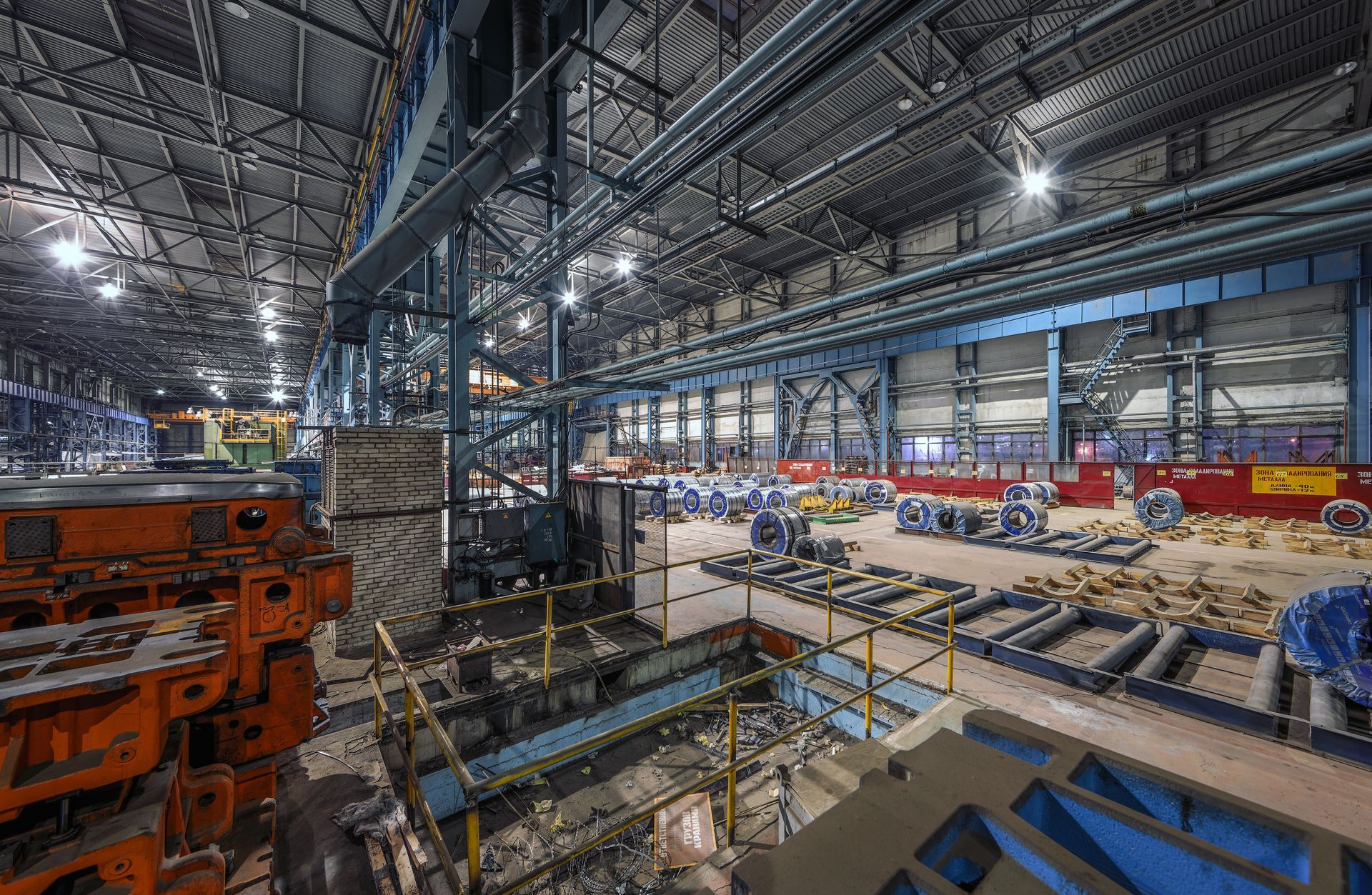
Equipment breakdowns, product liability, and workforce injuries are daily risks for Texas manufacturers. We build coverage from the shop floor to the loading dock — so one incident does not shut you down.
Artisan Contractors
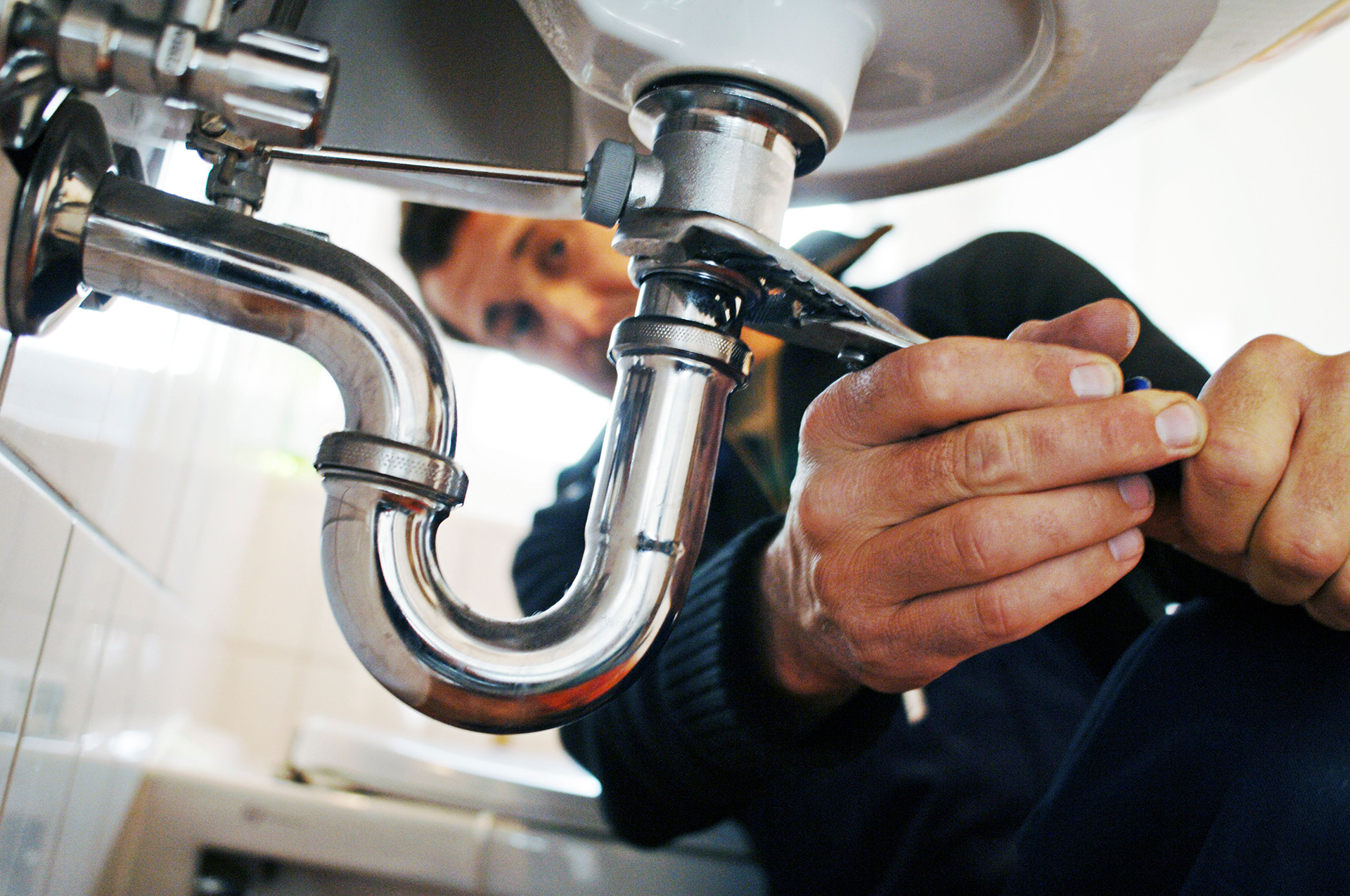
Plumbers, electricians, and skilled tradespeople work in high-risk environments every day. We build coverage around your tools, your vehicles, and your crew — so a job site incident does not stop your business.
Restaurants & Food Service
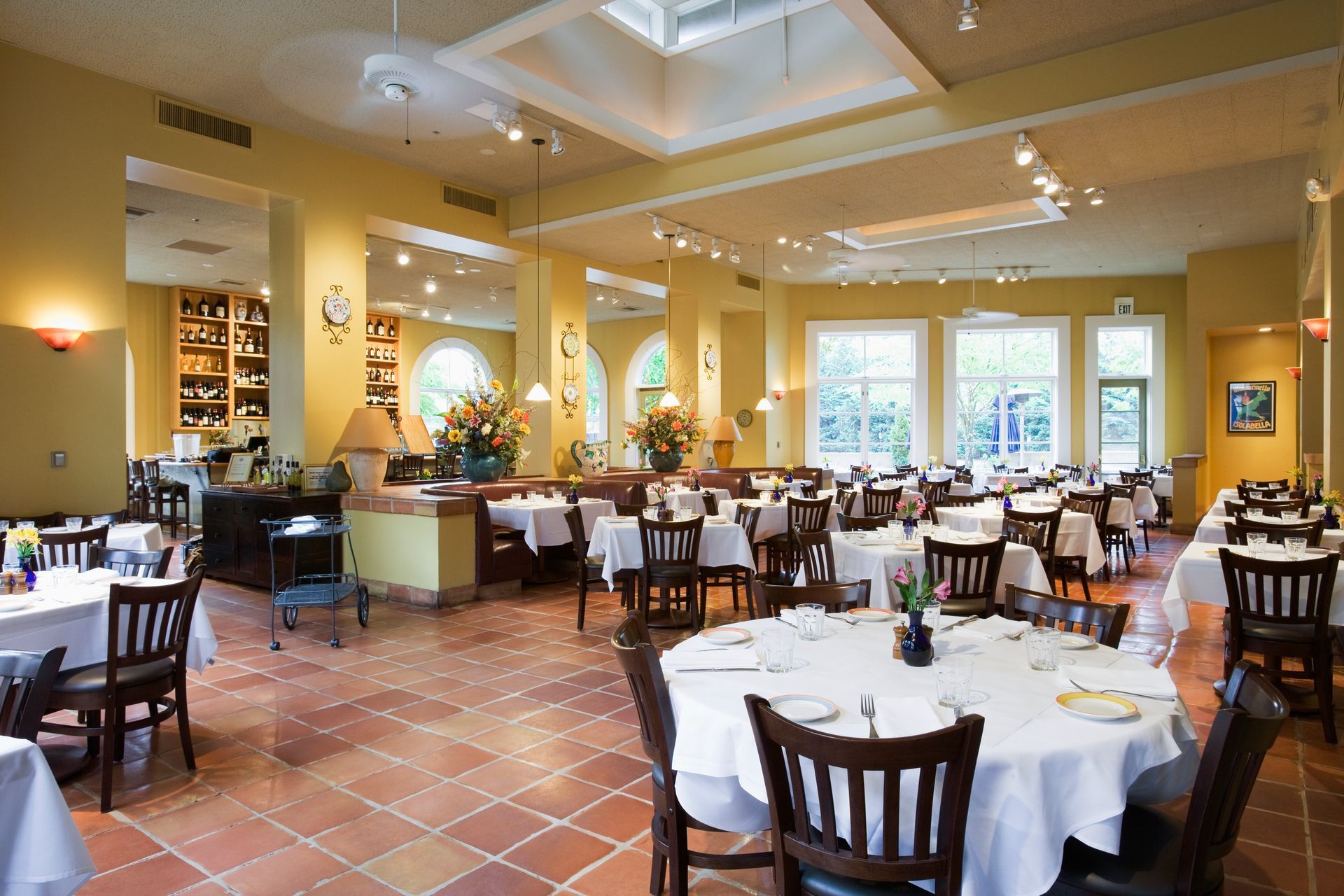
Restaurants carry liability on every shift — from the kitchen to the dining room and everything in between. We protect your location, your staff, and your equipment, including lost income when operations stop.

Non-Profits Service
Non-profits face unique liability across events, volunteers, staff, and leadership decisions. We cover your organization from the ground up — so you can focus on your mission, not your exposure.

Event Insurance
Event organizers face liability the moment guests arrive, vendors set up, and alcohol is served. We cover your event from start to finish — so one unexpected incident does not cancel everything you planned for.
Answers Before You Pick Up the Phone
What Texas Businesses Ask Us Most
We get a lot of the same questions from business owners across Texas. Here are honest answers to the ones that come up most.
What information do you need to get a commercial insurance quote?
We keep the process straightforward. We typically need your business name, a description of your operations, your gross annual sales projection, number of full-time and part-time employees, your gross annual payroll, and the types of coverage you are looking for. If you have an existing policy, the expiration date and current carrier help us put together a competitive comparison.
The most important thing you can do is be transparent about what your business actually does. Accurate classification ensures you have real coverage if a claim occurs. We have seen businesses with active policies that were incorrectly classified — and those gaps only surface at the worst possible moment.
Does Texas require businesses to carry Workers' Compensation Insurance?
Texas is the only state in the country that does not require most private employers to carry Workers' Compensation. However, if your business holds government contracts or works as a subcontractor on a job site, the hiring company will almost always require proof of coverage before work begins. A growing number of general contractors across Denton and the DFW area enforce this as a standard condition.
Even without a legal requirement, carrying Workers' Comp protects your business from direct liability if an employee is hurt on the job. Medical bills, lost wages, and legal fees can add up quickly — and one serious incident can create a financial loss that far exceeds years of premium payments.
What is a commercial insurance audit and should I expect one?
Most commercial general liability policies are auditable. At the end of your policy term, the insurance carrier reviews your actual gross sales to make sure your premium matched your real exposure. If your sales grew during the year, you may owe an additional premium. If sales came in lower, you could receive a refund.
The best way to avoid a large balance due at audit time is to update your projected gross sales with us during the year if your business grows faster than expected. We can endorse your policy mid-term to reflect the change and spread any additional premium across smaller installments instead of one lump sum at year-end.
What factors affect how much my commercial coverage will cost?
Your premium is calculated based on several variables specific to your operation — industry classification, gross annual sales, number of employees, gross payroll, claims history, and the types of coverage you need. A business that handles physical work with a crew on job sites will pay differently than a professional services firm working out of an office.
As an independent agency, we compare quotes across multiple carriers — including Travelers, The Hartford, Chubb, AmTrust, and others — to find the combination of coverage and price that works for your situation. There is no obligation after your quote, and we walk through every option in plain terms before you decide anything.
My business is a restaurant — what coverage do I actually need?
Restaurants are not a one-size-fits-all class of risk. Carriers look at a range of factors when evaluating a restaurant account: whether you serve alcohol, whether deep frying is involved, the type of fire suppression system in place, whether you have a hood cleaning contract, and whether you offer catering, delivery, or live entertainment. All of these affect both pricing and carrier appetite.
A well-structured restaurant policy typically includes general liability, building and business personal property coverage, liquor liability if applicable, food contamination coverage, business income protection, and workers' compensation for your staff. We work with carriers that actively want to write restaurant accounts in Texas — including Travelers, The Hartford, and Chubb — so you have real options to compare.
Can you help insure a business that is hard to place or outside the mainstream?
Yes — this is one of our strengths. We work with Excess and Surplus (E&S) lines markets through carriers like Burns & Wilcox for businesses that standard carriers will not write. We have placed coverage for master sign electricians, cable splicing operations, transmission rebuild shops for classic cars, CBD retailers, and many other non-standard accounts.
If you have been told your business is difficult to insure or you have received very limited options in the marketplace, reach out to us. We take time to understand your operations in detail, present your account to the right markets, and work to find coverage that actually reflects what you do — not a generic policy that leaves gaps.
Still have Question?
We’re here to help you!
Written for the Texas Business Owner
Insights That Help You Make Smarter Decisions
We publish articles on real topics that affect how Texas operators get covered — from local regulatory updates to coverage gaps most owners do not know they have.