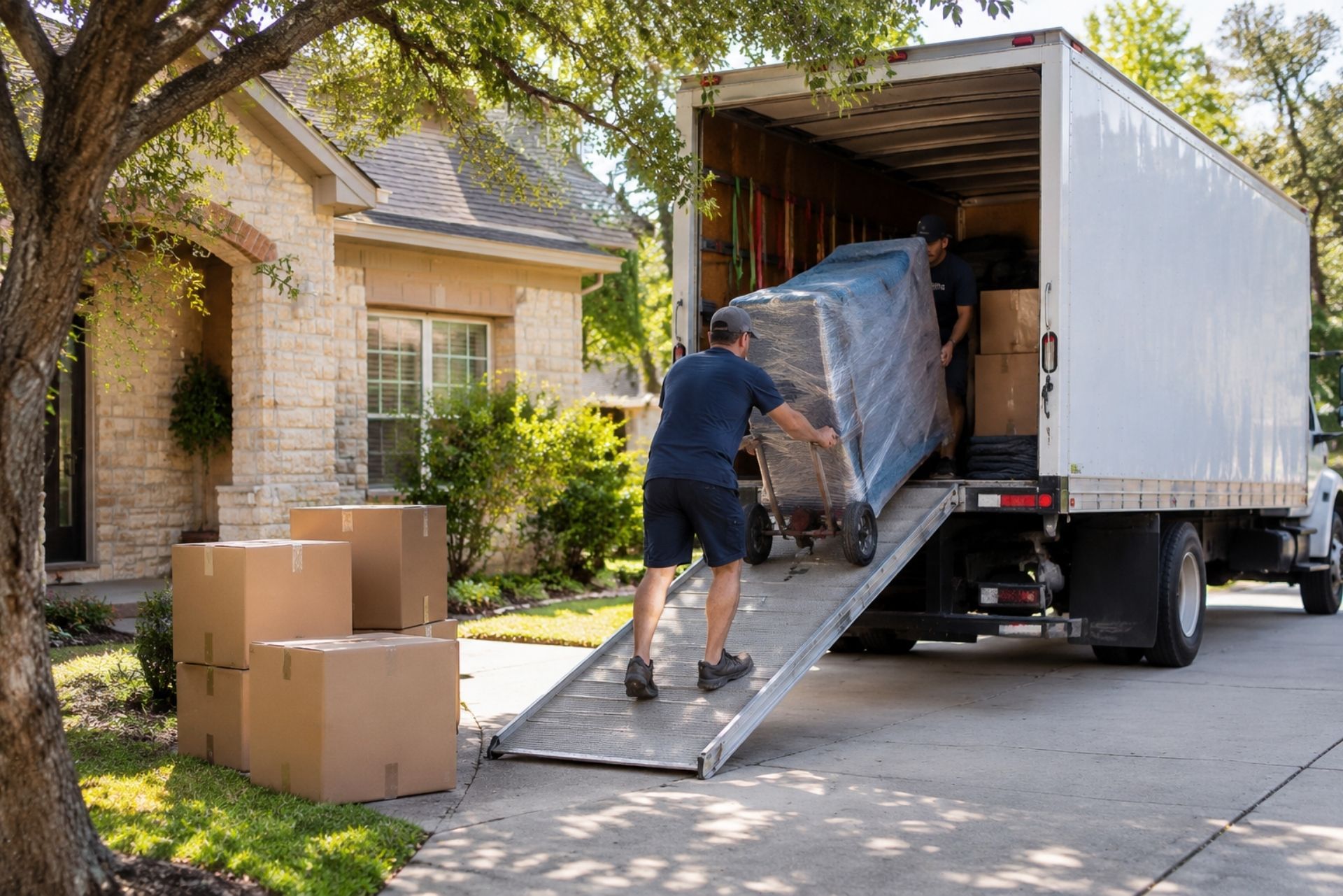
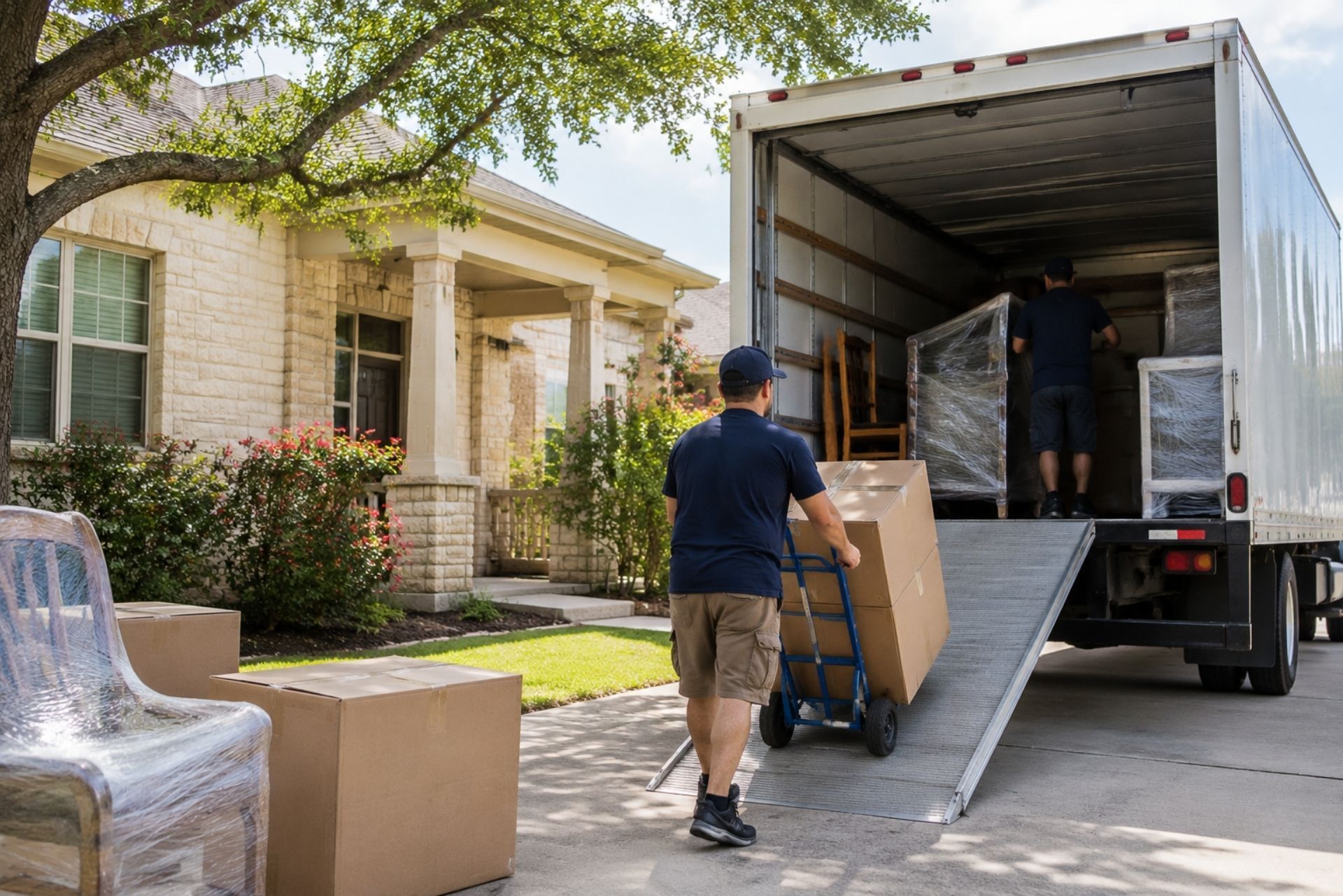
A crew of three is carrying a $9,000 armoire down a narrow staircase in a Plano townhome when one mover's grip slips. The armoire cracks a step and gouges the drywall. The mover ends up with a torn rotator cuff, and the homeowner wants the furniture replaced, the stairs repaired, and an explanation. That one moment can trigger four separate insurance claims: cargo, general liability, workers' compensation, and possibly a complaint to the state.
This is why the question of what insurance a Texas moving franchise needs deserves a real answer rather than a checklist. Moving combines heavy lifting, expensive belongings, large trucks, and customer data in a single job. The policies that protect you have to fit together without gaps, because insurers look for those gaps when a claim comes in.
Most franchise owners get coverage that meets the franchisor's minimums and the
state's paperwork requirements, and they assume that settles it. It usually doesn't. Below, we break down the
liability, property, auto, cyber, and workers' comp protection a Texas mover should carry, along with the mistakes we see owners make most often.
Texas Licensing Requirements and Mandatory Moving Insurance
Before you book your first local move, Texas wants proof that you can pay for damage. Intrastate household goods carriers register with the Texas Department of Motor Vehicles, and that registration depends on keeping specific coverage active. If a policy lapses, your registration can be suspended. That means trucks parked and customers calling someone else.
The core state requirements look like this:
- Cargo insurance: Texas household goods movers must carry at least $5,000 in cargo coverage per vehicle and $10,000 in aggregate per occurrence.
- General liability: Moving companies are expected to maintain at least $300,000 in general liability coverage for property damage and bodily injury during a move.
- Interstate operations: Once you cross state lines, the FMCSA takes jurisdiction and requires a minimum of $750,000 in liability coverage.
The catch is that these numbers are floors. A $5,000 cargo limit won't come close to covering a single loaded truck carrying a family's furniture, electronics, and appliances. Many franchisors also set their own minimums above the state's, often requiring $1 million per occurrence in liability. Read your franchise agreement before you get quotes, because the agreement typically controls what you actually have to carry.

By: Michael Whitaker
Insurance Advisor at
Denton Business Insurance
Protecting Assets with General Liability and Property Coverage
General liability covers the damage you cause to other people and their property. That includes the scuffed hardwood floor, a broken door frame, or a customer who trips over a moving blanket and breaks a wrist. For movers, most claims come from damage to the premises rather than damage to the goods themselves. Insurers classify it differently, and that distinction matters a lot when an adjuster reviews the file.
One mistake we see often is assuming general liability covers the customer's belongings. It typically doesn't. Many GL policies exclude "care, custody, and control" property, which describes everything sitting in your truck. That's the job of cargo coverage, which we cover in the next section.
Property coverage protects your own assets: the warehouse, office, dollies, pads, shrink-wrap inventory, and computers. If you offer storage, you need a separate warehouse legal liability policy for customer goods sitting in your facility. A hailstorm in Denton County that damages your building and the stored items inside it would fall under two different policies.
Consider an inland marine endorsement for mobile equipment such as hand trucks, piano boards, and lift gates, since that gear spends more time on the road than in the building. A business owner's policy (BOP) can bundle GL and property at a lower price if you're small enough to qualify.
Commercial Auto and Cargo Insurance for the Road
Your trucks are the most expensive things you own and the most likely source of a large claim. A box truck that rear-ends a sedan on I-35 can produce a bodily injury claim in the six figures in a single afternoon. Personal auto policies exclude commercial use, so every truck, van, and trailer needs to appear on a commercial auto policy.
Texas sets minimum auto liability at at least $300,000 CSL for vehicles under 26,000 lbs and $500,000 CSL for vehicles 26,000 lbs or heavier. For a 26-foot moving truck, those limits are close to meaningless. Most movers we work with carry $1 million combined single limit, and many add an umbrella policy on top of it.
Cargo insurance pays when the customer's goods are damaged in transit, whether from a crash, a fire, a theft, or a load that shifts on the road. Keep in mind:
- Match your cargo limit to the realistic value of a full truck, not the state minimum
- Check exclusions for unattended vehicles, which matters for overnight long-distance trips
- Confirm whether items the customer packed are covered or excluded
One commonly missed gap is hired and non-owned auto (HNOA). When a crew lead drives a personal pickup to deliver extra boxes, or you rent a truck during peak season, your commercial auto policy may not apply. HNOA coverage costs relatively little and closes that gap.
Managing Risk with Specialized Franchise Policies
Liability, property, and auto handle the obvious risks. The two policies below handle the ones owners tend to underestimate until a claim arrives.
Workers' Compensation in Texas
Texas is the only state where private employers can choose not to carry workers' compensation. Some movers opt out to save money, and for a moving company that's a dangerous bet. Owners who opt out become "non-subscribers," and an injured employee can sue them directly. Non-subscribers also lose key defenses, such as arguing the worker was partly at fault or that a coworker caused the injury. A single back injury lawsuit can cost more than a decade of premiums.
Moving is a high-hazard class. Premiums typically run between $8 and $25 per $100 of payroll, depending on your claims history, safety program, and how payroll is classified. Classifying office staff correctly, rather than lumping them in with the crew, can lower your bill.
The rules keep changing. Starting September 29, 2026, the Texas Division of Workers' Compensation uses ODG by MCG guidelines to evaluate return-to-work timeframes, which affects how long injured movers stay off the job. You can follow other updates through the Division of Workers' Compensation news page.
Cyber Liability for Customer Data
Movers collect a lot of information: home addresses, move dates, which homes will be empty, credit card numbers, and sometimes photos of everything a family owns. Online quote forms, booking software, and payment processors all give attackers a way in. A ransomware attack in peak season can freeze your schedule for days.
Cyber liability covers breach notification, forensic investigation, extortion payments, and lawsuits. Texas has also created an incentive to prepare. Under SB 2610, effective September 1, 2025, businesses with fewer than 250 employees that maintain a documented cybersecurity program get a safe harbor from punitive damages in data breach lawsuits. Write down your security practices, such as multi-factor authentication, backups, and employee training. That documentation protects you in court and often lowers your cyber premium.
Comparing Coverage: Basic vs. Comprehensive Protection
Here's how a bare-minimum setup compares with what a well-protected franchise usually carries.
| Coverage | Basic (Minimum) | Comprehensive |
|---|---|---|
| General Liability | $300,000 | $1M per occurrence / $2M aggregate |
| Cargo | $5,000 per vehicle / $10,000 per occurrence | Matched to full truck value |
| Commercial Auto | Texas minimum $30k/$60k/$25k | $1M combined single limit + umbrella |
| Workers' Comp | Non-subscriber (none) | Full statutory coverage |
| Property | Building only | Building, equipment, inland marine |
| Cyber | None | Breach response + liability |
| HNOA | None | Included |
The basic column keeps you registered. The comprehensive column keeps you in business after a bad week. Most franchisors expect something close to the right side anyway, so building toward it from the start is usually cheaper than adding coverage piece by piece later.
Common Questions About Texas Moving Franchise Insurance
Do I need workers' comp if I only hire part-time movers? Texas doesn't require it, but part-timers get hurt as often as full-time employees. Without coverage, you face lawsuits as a non-subscriber.
Does my cargo policy cover items in my storage warehouse? Usually not. Stored goods typically require warehouse legal liability coverage.
What happens if my insurance lapses? The TxDMV can suspend your registration, and your franchisor may treat it as a breach of your agreement. Set payments to autopay and confirm renewals at least 30 days ahead.
Are day laborers covered under my policies? That depends on how you classify them. Misclassifying employees as contractors is one of the most common reasons workers' comp claims get disputed.
Do I need cyber insurance if I use a third-party booking platform? Yes. The platform's coverage protects the platform, not your business or your customers' data on your devices.
Does my franchisor's insurance cover me?
Almost never. Franchisors require you to carry your own policies and usually list them as additional insureds.
Securing the Right Policy for Your Franchise
That armoire on the Plano staircase shows the real challenge. Damage to goods, the home, and your employee lands in separate policies, and a gap in any one of them leaves you paying out of pocket. State minimums keep your registration active, but they won't cover a serious truck accident, a back injury lawsuit, or a ransomware attack in June. The franchises that do well treat insurance as one connected plan, not a collection of separate certificates.
Start by gathering your franchise agreement, payroll figures, vehicle list, and any claims history. Then talk to someone who can compare options from several carriers instead of just one. As an independent agency, Denton Business Insurance shops carriers including Travelers, Chubb, and Nationwide to build coverage that fits moving operations and meets franchisor requirements.
Reach out to Denton Business Insurance for a coverage review before your next renewal. The best time to find a gap is before your crew finds it on a staircase.
Straight from the Clients We Serve
Texas Business Owners Rate Us 5 Stars — Here Is Why
We hear the same things repeatedly: fast service, honest advice, and coverage that made sense for their situation. That is what we aim for every time.

Protection Across Every Area of Your BUSINESS
What Texas Businesses Need. What We Deliver.
From your job site and your fleet to your data and your payroll — we cover the risks that Texas businesses carry every day.
General Liability
Covers third-party claims of bodily injury, property damage, and advertising injury. A foundational protection for nearly every Texas business, regardless of industry or size.
Commercial Property
Covers your building, equipment, inventory, and business contents against fire, theft, storms, and vandalism. Can also include lost income if your businesses are forced to stop.
Commercial Auto
Protects vehicles your company owns, leases, or uses for work. Covers liability, collision damage, and injuries for employees driving on company time.
Errors & Omissions
Protects service providers when a client claims your advice, work, or recommendations caused them a financial loss. Critical for consultants, IT firms, agents, and other professional service businesses.
Directors & Officers
Covers leadership decisions that result in claims from employees, investors, or outside parties. Protects your directors and officers personally when management decisions are challenged.
Inland Marine & Equipment Floater
Covers tools, materials, and equipment that move between job sites or are stored off your primary property. Fills the gap where a standard commercial property policy stops.
Every Sector Has Its Own Risk Profile
We Know Your Trade. We Know Your Exposure.
We work with a wide range of Texas industries — each with different coverage priorities. Below are the sectors we serve most often.

Apartment Complexes
Texas apartment owners face liability across common areas, tenant incidents, and on-site staff. We cover your property, your income, and your exposure — across one complex or an entire portfolio.

Manufacturing Businesses
Equipment breakdowns, product liability, and workforce injuries are daily risks for Texas manufacturers. We build coverage from the shop floor to the loading dock — so one incident does not shut you down.
Artisan Contractors
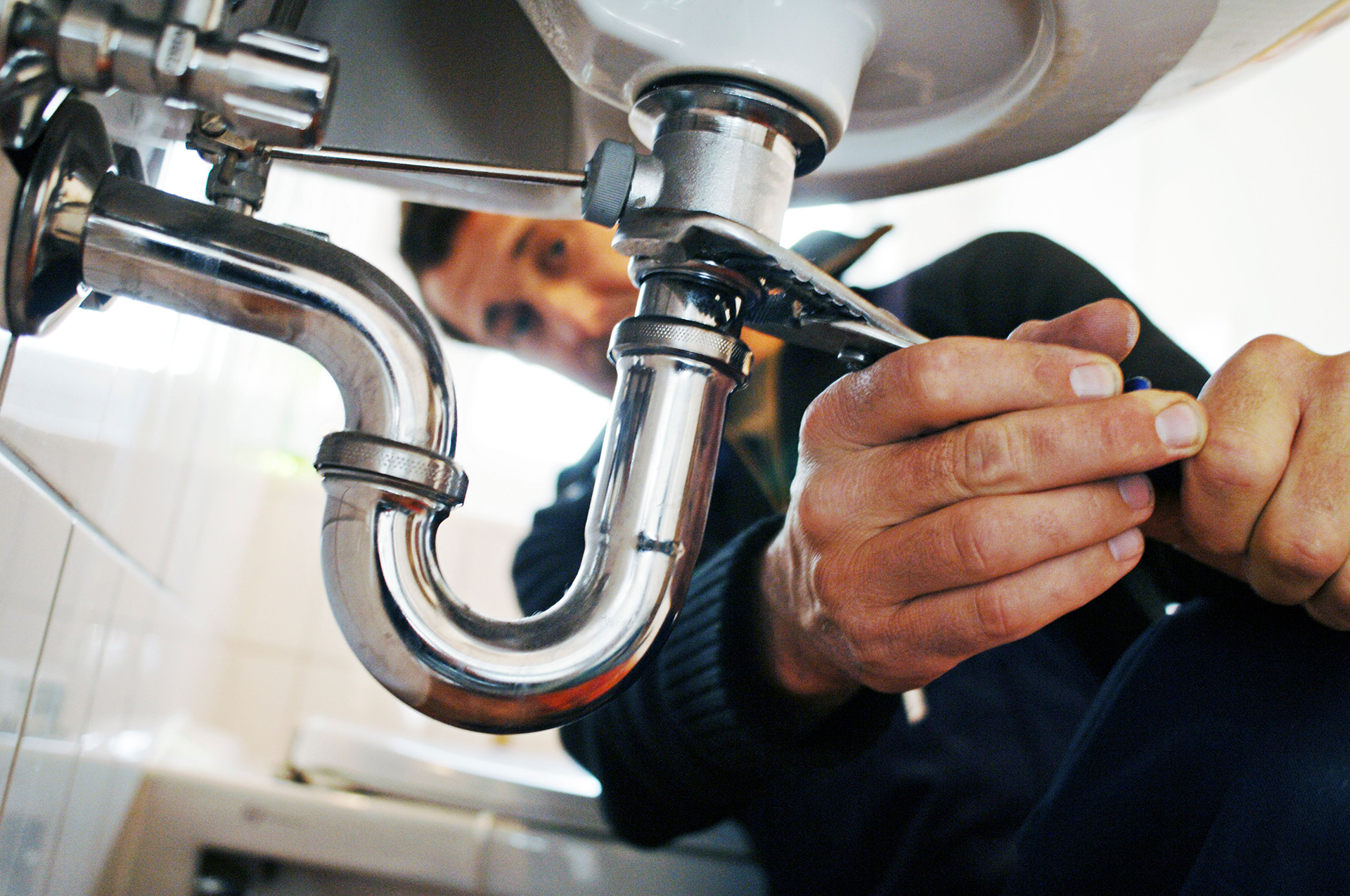
Plumbers, electricians, and skilled tradespeople work in high-risk environments every day. We build coverage around your tools, your vehicles, and your crew — so a job site incident does not stop your business.

Restaurants & Food Service
Restaurants carry liability on every shift — from the kitchen to the dining room and everything in between. We protect your location, your staff, and your equipment, including lost income when operations stop.

Non-Profits Service
Non-profits face unique liability across events, volunteers, staff, and leadership decisions. We cover your organization from the ground up — so you can focus on your mission, not your exposure.

Event Insurance
Event organizers face liability the moment guests arrive, vendors set up, and alcohol is served. We cover your event from start to finish — so one unexpected incident does not cancel everything you planned for.
Answers Before You Pick Up the Phone
What Texas Businesses Ask Us Most
We get a lot of the same questions from business owners across Texas. Here are honest answers to the ones that come up most.

What information do you need to get a commercial insurance quote?
We keep the process straightforward. We typically need your business name, a description of your operations, your gross annual sales projection, number of full-time and part-time employees, your gross annual payroll, and the types of coverage you are looking for. If you have an existing policy, the expiration date and current carrier help us put together a competitive comparison.
The most important thing you can do is be transparent about what your business actually does. Accurate classification ensures you have real coverage if a claim occurs. We have seen businesses with active policies that were incorrectly classified — and those gaps only surface at the worst possible moment.
Does Texas require businesses to carry Workers' Compensation Insurance?
Texas is the only state in the country that does not require most private employers to carry Workers' Compensation. However, if your business holds government contracts or works as a subcontractor on a job site, the hiring company will almost always require proof of coverage before work begins. A growing number of general contractors across Denton and the DFW area enforce this as a standard condition.
Even without a legal requirement, carrying Workers' Comp protects your business from direct liability if an employee is hurt on the job. Medical bills, lost wages, and legal fees can add up quickly — and one serious incident can create a financial loss that far exceeds years of premium payments.
What is a commercial insurance audit and should I expect one?
Most commercial general liability policies are auditable. At the end of your policy term, the insurance carrier reviews your actual gross sales to make sure your premium matched your real exposure. If your sales grew during the year, you may owe an additional premium. If sales came in lower, you could receive a refund.
The best way to avoid a large balance due at audit time is to update your projected gross sales with us during the year if your business grows faster than expected. We can endorse your policy mid-term to reflect the change and spread any additional premium across smaller installments instead of one lump sum at year-end.
What factors affect how much my commercial coverage will cost?
Your premium is calculated based on several variables specific to your operation — industry classification, gross annual sales, number of employees, gross payroll, claims history, and the types of coverage you need. A business that handles physical work with a crew on job sites will pay differently than a professional services firm working out of an office.
As an independent agency, we compare quotes across multiple carriers — including Travelers, The Hartford, Chubb, AmTrust, and others — to find the combination of coverage and price that works for your situation. There is no obligation after your quote, and we walk through every option in plain terms before you decide anything.
My business is a restaurant — what coverage do I actually need?
Restaurants are not a one-size-fits-all class of risk. Carriers look at a range of factors when evaluating a restaurant account: whether you serve alcohol, whether deep frying is involved, the type of fire suppression system in place, whether you have a hood cleaning contract, and whether you offer catering, delivery, or live entertainment. All of these affect both pricing and carrier appetite.
A well-structured restaurant policy typically includes general liability, building and business personal property coverage, liquor liability if applicable, food contamination coverage, business income protection, and workers' compensation for your staff. We work with carriers that actively want to write restaurant accounts in Texas — including Travelers, The Hartford, and Chubb — so you have real options to compare.
Can you help insure a business that is hard to place or outside the mainstream?
Yes — this is one of our strengths. We work with Excess and Surplus (E&S) lines markets through carriers like Burns & Wilcox for businesses that standard carriers will not write. We have placed coverage for master sign electricians, cable splicing operations, transmission rebuild shops for classic cars, CBD retailers, and many other non-standard accounts.
If you have been told your business is difficult to insure or you have received very limited options in the marketplace, reach out to us. We take time to understand your operations in detail, present your account to the right markets, and work to find coverage that actually reflects what you do — not a generic policy that leaves gaps.
Still have Question?
We’re here to help you!
Written for the Texas Business Owner
Insights That Help You Make Smarter Decisions
We publish articles on real topics that affect how Texas operators get covered — from local regulatory updates to coverage gaps most owners do not know they have.