Texas Crane and Rigging Company Insurance

See How We're Different
Call Us: (940) 268-5112
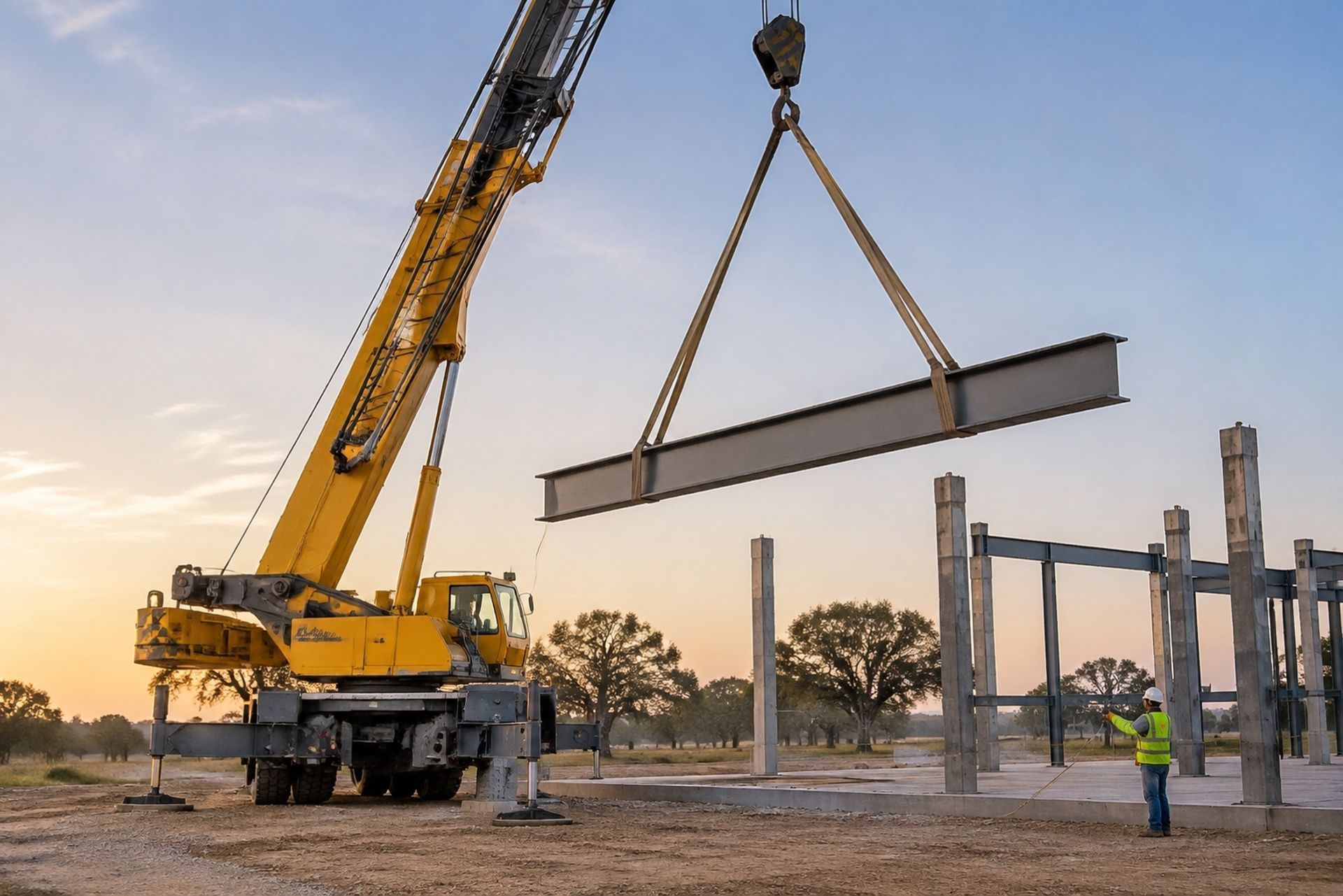
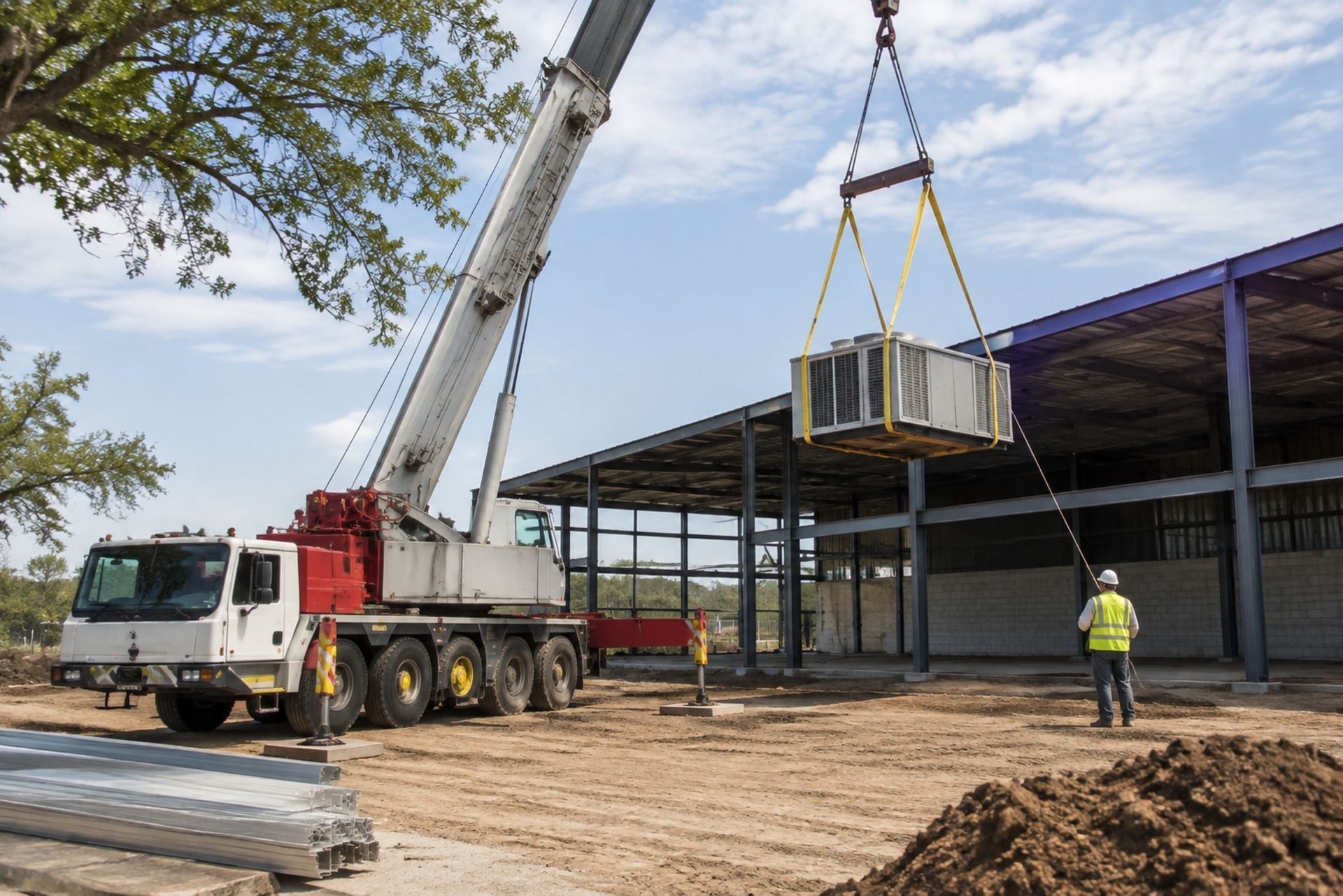
A 60-ton hydraulic crane is setting HVAC units on a hospital roof in Fort Worth. A sling fails, and a $400,000 chiller drops three stories onto the loading dock below. The unit is destroyed, a delivery truck is crushed, and the general contractor's project manager is already on the phone asking whose insurance is paying for all of it.
That question gets complicated fast. The chiller belonged to the customer. The truck belonged to a vendor. The sling was yours, and the operator was a contract worker you brought in for the week. Each of those pieces lands under a different policy, and if one is missing or written wrong, the bill can lands on you personally.
Texas crane and rigging companies sit in one of the toughest corners of the
commercial insurance market. Underwriters look closely at lift plans, operator certifications, and loss history, and a single bad claim can shape your premiums for years. Understanding how the coverage pieces fit together before something drops is the difference between a bad day and a business-ending one.
Essential Insurance for Texas Crane and Rigging Operations
So what insurance does a Texas crane and rigging company need? The honest answer is a layered program, because no single policy handles everything a lift can go wrong with. Most well-run crane operators we see carry five core coverages, plus an umbrella on top.
- General liability with a rigger's endorsement: covers injuries and damage to third parties, plus the load you're lifting.
- Inland marine (equipment floater): protects cranes, rigging gear, and attachments wherever they are.
- Commercial auto: covers boom trucks, support vehicles, and road-going cranes.
- Workers' compensation or a structured alternative: handles employee injuries.
- Cyber liability: protects your billing systems, telematics, and client data.
- Umbrella or excess liability: sits over GL and auto when a claim blows through primary limits.
Contracts usually dictate the minimums. Large GCs, refineries along the Gulf Coast, and municipal projects often require specific limits, additional insured status, and waivers of subrogation before you can set foot on site. Read those requirements before you bid, not after you win.

By: Michael Whitaker
Insurance Advisor at
Denton Business Insurance
General Liability and Specialized Rigging Coverage
General liability is your front line for third-party claims. If a swinging load clips a passing worker from another trade, or your outriggers crack a customer's parking lot, GL is where that claim goes. It also typically covers completed operations, which matters when a structure you helped set fails months later.
The catch is that standard GL forms carry exclusions that hit crane work hard. Many carriers add crane-specific endorsements limiting coverage for operations above a certain height or near power lines. Some exclude bare rentals entirely, meaning if you rent a crane without an operator, the renter's mistakes may not be covered under your policy. Ask your agent to walk you through every exclusion endorsement attached to the quote.
The Critical Role of Care, Custody, and Control
Here's the gap that sinks crane companies. Standard GL policies typically exclude property in the contractor's care, custody, or control. The moment you rig and lift that customer's chiller, transformer, or steel beam, it's in your care. If it drops, your GL policy may deny the claim outright.
That's why crane companies increasingly carry a Rigger's Liability endorsement or a standalone policy. It specifically covers damage to the customer's property while you're hoisting, moving, or setting it. Limits should match the value of the most expensive loads you handle, not your average job. A crew that mostly lifts rooftop units but occasionally sets $2 million generators needs limits sized for the generator.
Protecting Assets: Inland Marine and Commercial Property
Your cranes are probably your biggest balance sheet item, and a standard commercial property policy won't protect them on the road. Property insurance is generally limited to fixed locations, so a mobile crane traveling between job sites falls outside that coverage. An equipment floater, written under inland marine, follows the equipment wherever it goes.
A good floater covers theft, fire, collision during transport, overturn, and in many cases upset damage during a lift. Pay attention to how the policy handles overturn, because some forms exclude it unless you buy it back. Rigging gear, spreader bars, mats, and attachments should be scheduled or covered under a blanket limit too.
Valuation is where a lot of owners get burned right now. Market trends for heavy machinery in 2026 show a clear shift toward Replacement Cost Valuation over Actual Cash Value, because equipment prices have climbed so much. ACV pays depreciated value, which can leave you tens of thousands short of replacing a crane. Commercial property still matters for your yard, shop, office, and parts inventory, so keep both policies in place.
Managing Risk with Auto, Cyber, and Workers' Compensation
Commercial auto is getting expensive across the board. Loss payments for commercial auto liability have risen with an 85% compound increase in severity over the last decade, far outpacing the 30% rise in general inflation. Large jury verdicts against trucking and equipment haulers drive much of that, and Texas courts see their share.
Crane carriers that travel on public roads typically need to be listed on the auto policy, not just the floater. Add Hired and Non-Owned Auto coverage too. When an employee runs to a supply house in their own pickup or you rent a support truck for a big job, HNOA fills the liability gap your owned-auto policy leaves open.
Cyber coverage feels out of place for heavy equipment, but think about what's digital now. Dispatch software, GPS telematics, invoicing platforms, and stored client lift plans are all targets. A ransomware attack that locks your scheduling system during a busy week can cost more in lost jobs than many physical claims.
Texas Workers' Comp vs. Occupational Accident Insurance
Texas remains the only state where private employers can choose not to carry workers' compensation. Going without it, as a "non-subscriber," means you lose key legal defenses. Injured employees can sue you for negligence, and you can't argue they were partly at fault. In a trade with fall, crush, and electrocution exposure, that's a serious gamble.
Some operators buy occupational accident insurance instead, which pays medical and wage benefits but doesn't provide the same lawsuit protection. Public work removes the choice entirely:
contractors on public building projects must provide coverage for all on-site employees under TDI Rule 110.110. The trend favors subscribing anyway. About
87% of Texas employees are now covered by subscribers, a 20-year high, and TDI accepted a
3.8% decrease in advisory loss costs effective July 1, 2026, which may soften rates.
Comparing Coverage: Standard vs. Specialized Crane Policies
Plenty of crane owners start with a generic contractor's package and assume they're covered. The table below shows where that assumption breaks down.
| Exposure | Standard Contractor Package | Specialized Crane Program |
|---|---|---|
| Customer's load during lift | Usually excluded (CCC) | Covered via Rigger's Liability |
| Crane in transit | Often not covered | Covered by equipment floater |
| Overturn and upset | Frequently excluded | Included or bought back |
| Equipment valuation | Often ACV | Replacement cost available |
| Bare rental exposure | Unclear or excluded | Addressed by endorsement |
| Height or power line limits | Hidden exclusions common | Reviewed and negotiated |
The specialized route costs more up front. It also pays when the claim actually happens, which is the whole point.
Frequently Asked Questions About Crane Insurance
Do I need Rigger's Liability if I already have general liability? Almost always, yes. GL typically excludes property in your care, custody, or control, which is exactly where a customer's load sits during a lift.
Is workers' comp required for crane companies in Texas? Not for most private work, but it's mandatory on public building projects. Many GCs also require it contractually, so skipping it can cost you bids.
What happens if I rent out a crane without an operator? That's a bare rental, and many policies limit or exclude it. You'll want a specific endorsement and a solid rental agreement requiring the renter to carry their own coverage.
Should my cranes be valued at replacement cost or actual cash value? Replacement cost is the safer choice with today's equipment prices. ACV subtracts depreciation and can leave a big gap after a total loss.
Why are my commercial auto premiums going up even without claims?
Industry-wide claim severity has climbed sharply because of large verdicts and repair costs. Your individual record helps, but the overall market still pushes rates higher.
Making the Right Choice for Your Fleet
A crane and rigging program works only when every piece connects: GL with a rigger's endorsement for the load, an inland marine floater for the iron, commercial auto with HNOA for the road, cyber for your systems, and a clear decision on workers' compensation backed by an umbrella. The gaps between those policies are where claims get denied, and they usually show up at the worst moment.
Start by pulling your largest recent contract and comparing its insurance requirements against your current declarations pages. If anything doesn't line up, or if your cranes are still valued at ACV, that's your first fix.
Denton Business Insurance works with crane operators and contractors across Texas, shopping carriers like Travelers, Chubb, and Nationwide to build programs that match how you actually work. Give us a call before your next renewal, and we'll walk through your exposures lift by lift. Your cranes are built to carry heavy loads. Your coverage should be too.
Straight from the Clients We Serve
Texas Business Owners Rate Us 5 Stars — Here Is Why
We hear the same things repeatedly: fast service, honest advice, and coverage that made sense for their situation. That is what we aim for every time.
Protection Across Every Area of Your BUSINESS
What Texas Businesses Need. What We Deliver.
From your job site and your fleet to your data and your payroll — we cover the risks that Texas businesses carry every day.
General Liability
Covers third-party claims of bodily injury, property damage, and advertising injury. A foundational protection for nearly every Texas business, regardless of industry or size.
Commercial Property
Covers your building, equipment, inventory, and business contents against fire, theft, storms, and vandalism. Can also include lost income if your businesses are forced to stop.
Commercial Auto
Protects vehicles your company owns, leases, or uses for work. Covers liability, collision damage, and injuries for employees driving on company time.
Errors & Omissions
Protects service providers when a client claims your advice, work, or recommendations caused them a financial loss. Critical for consultants, IT firms, agents, and other professional service businesses.
Directors & Officers
Covers leadership decisions that result in claims from employees, investors, or outside parties. Protects your directors and officers personally when management decisions are challenged.
Inland Marine & Equipment Floater
Covers tools, materials, and equipment that move between job sites or are stored off your primary property. Fills the gap where a standard commercial property policy stops.
Every Sector Has Its Own Risk Profile
We Know Your Trade. We Know Your Exposure.
We work with a wide range of Texas industries — each with different coverage priorities. Below are the sectors we serve most often.

Apartment Complexes
Texas apartment owners face liability across common areas, tenant incidents, and on-site staff. We cover your property, your income, and your exposure — across one complex or an entire portfolio.
Manufacturing Businesses
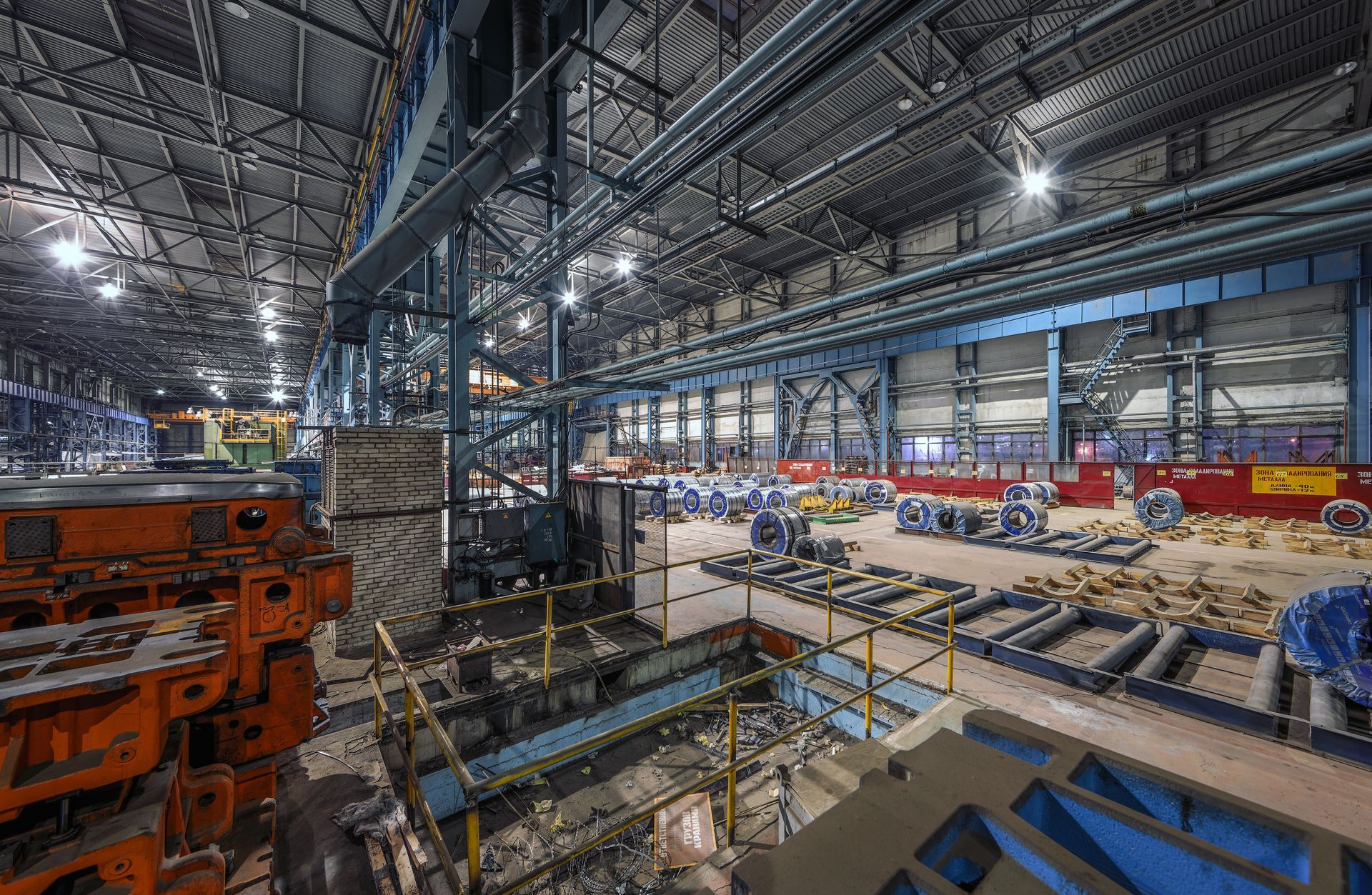
Equipment breakdowns, product liability, and workforce injuries are daily risks for Texas manufacturers. We build coverage from the shop floor to the loading dock — so one incident does not shut you down.
Artisan Contractors
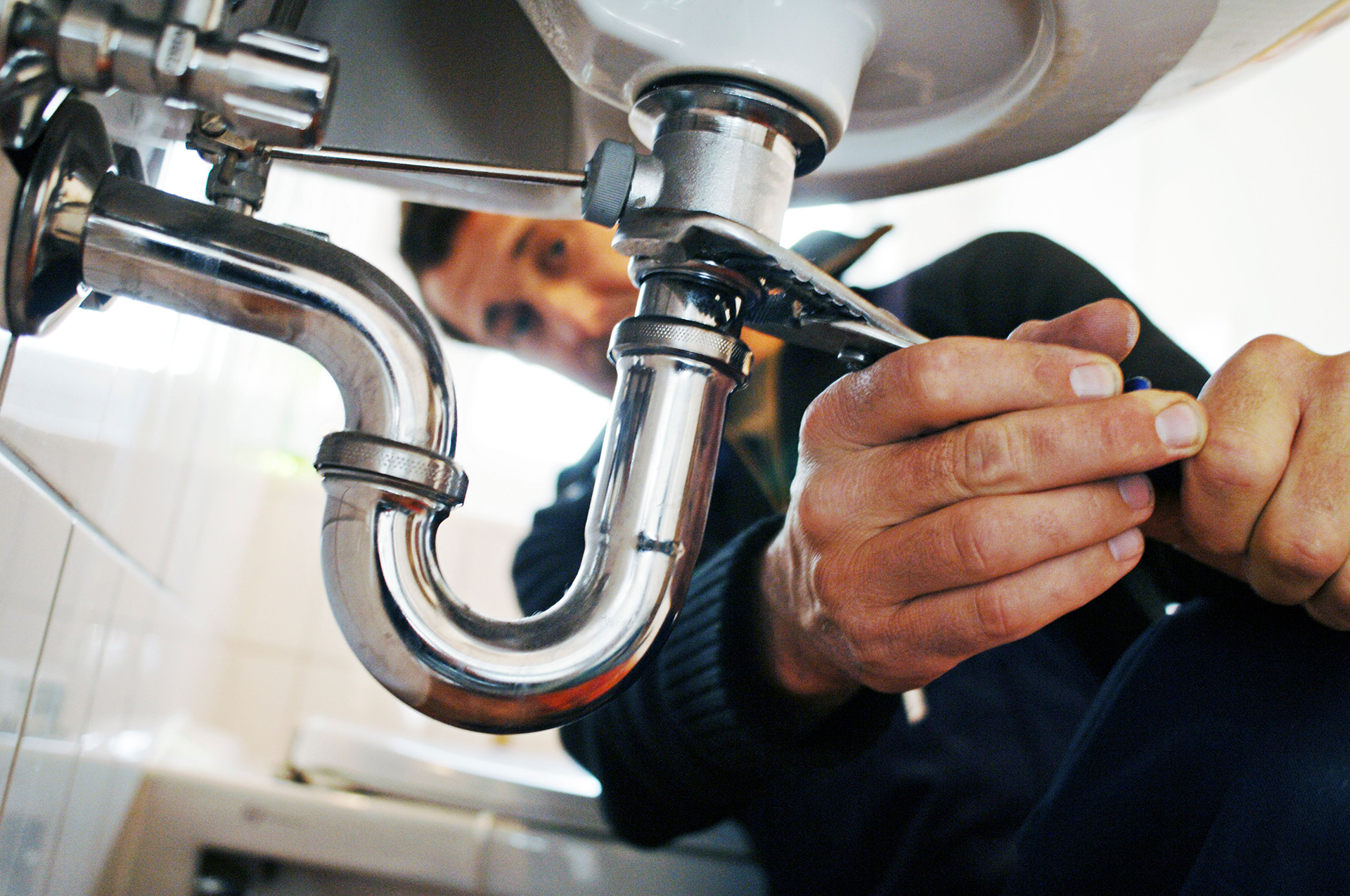
Plumbers, electricians, and skilled tradespeople work in high-risk environments every day. We build coverage around your tools, your vehicles, and your crew — so a job site incident does not stop your business.

Restaurants & Food Service
Restaurants carry liability on every shift — from the kitchen to the dining room and everything in between. We protect your location, your staff, and your equipment, including lost income when operations stop.

Non-Profits Service
Non-profits face unique liability across events, volunteers, staff, and leadership decisions. We cover your organization from the ground up — so you can focus on your mission, not your exposure.

Event Insurance
Event organizers face liability the moment guests arrive, vendors set up, and alcohol is served. We cover your event from start to finish — so one unexpected incident does not cancel everything you planned for.
Answers Before You Pick Up the Phone
What Texas Businesses Ask Us Most
We get a lot of the same questions from business owners across Texas. Here are honest answers to the ones that come up most.
What information do you need to get a commercial insurance quote?
We keep the process straightforward. We typically need your business name, a description of your operations, your gross annual sales projection, number of full-time and part-time employees, your gross annual payroll, and the types of coverage you are looking for. If you have an existing policy, the expiration date and current carrier help us put together a competitive comparison.
The most important thing you can do is be transparent about what your business actually does. Accurate classification ensures you have real coverage if a claim occurs. We have seen businesses with active policies that were incorrectly classified — and those gaps only surface at the worst possible moment.
Does Texas require businesses to carry Workers' Compensation Insurance?
Texas is the only state in the country that does not require most private employers to carry Workers' Compensation. However, if your business holds government contracts or works as a subcontractor on a job site, the hiring company will almost always require proof of coverage before work begins. A growing number of general contractors across Denton and the DFW area enforce this as a standard condition.
Even without a legal requirement, carrying Workers' Comp protects your business from direct liability if an employee is hurt on the job. Medical bills, lost wages, and legal fees can add up quickly — and one serious incident can create a financial loss that far exceeds years of premium payments.
What is a commercial insurance audit and should I expect one?
Most commercial general liability policies are auditable. At the end of your policy term, the insurance carrier reviews your actual gross sales to make sure your premium matched your real exposure. If your sales grew during the year, you may owe an additional premium. If sales came in lower, you could receive a refund.
The best way to avoid a large balance due at audit time is to update your projected gross sales with us during the year if your business grows faster than expected. We can endorse your policy mid-term to reflect the change and spread any additional premium across smaller installments instead of one lump sum at year-end.
What factors affect how much my commercial coverage will cost?
Your premium is calculated based on several variables specific to your operation — industry classification, gross annual sales, number of employees, gross payroll, claims history, and the types of coverage you need. A business that handles physical work with a crew on job sites will pay differently than a professional services firm working out of an office.
As an independent agency, we compare quotes across multiple carriers — including Travelers, The Hartford, Chubb, AmTrust, and others — to find the combination of coverage and price that works for your situation. There is no obligation after your quote, and we walk through every option in plain terms before you decide anything.
My business is a restaurant — what coverage do I actually need?
Restaurants are not a one-size-fits-all class of risk. Carriers look at a range of factors when evaluating a restaurant account: whether you serve alcohol, whether deep frying is involved, the type of fire suppression system in place, whether you have a hood cleaning contract, and whether you offer catering, delivery, or live entertainment. All of these affect both pricing and carrier appetite.
A well-structured restaurant policy typically includes general liability, building and business personal property coverage, liquor liability if applicable, food contamination coverage, business income protection, and workers' compensation for your staff. We work with carriers that actively want to write restaurant accounts in Texas — including Travelers, The Hartford, and Chubb — so you have real options to compare.
Can you help insure a business that is hard to place or outside the mainstream?
Yes — this is one of our strengths. We work with Excess and Surplus (E&S) lines markets through carriers like Burns & Wilcox for businesses that standard carriers will not write. We have placed coverage for master sign electricians, cable splicing operations, transmission rebuild shops for classic cars, CBD retailers, and many other non-standard accounts.
If you have been told your business is difficult to insure or you have received very limited options in the marketplace, reach out to us. We take time to understand your operations in detail, present your account to the right markets, and work to find coverage that actually reflects what you do — not a generic policy that leaves gaps.
Still have Question?
We’re here to help you!
Written for the Texas Business Owner
Insights That Help You Make Smarter Decisions
We publish articles on real topics that affect how Texas operators get covered — from local regulatory updates to coverage gaps most owners do not know they have.