Texas Traffic Control Contractor Insurance

See How We're Different
Call Us: (940) 268-5112
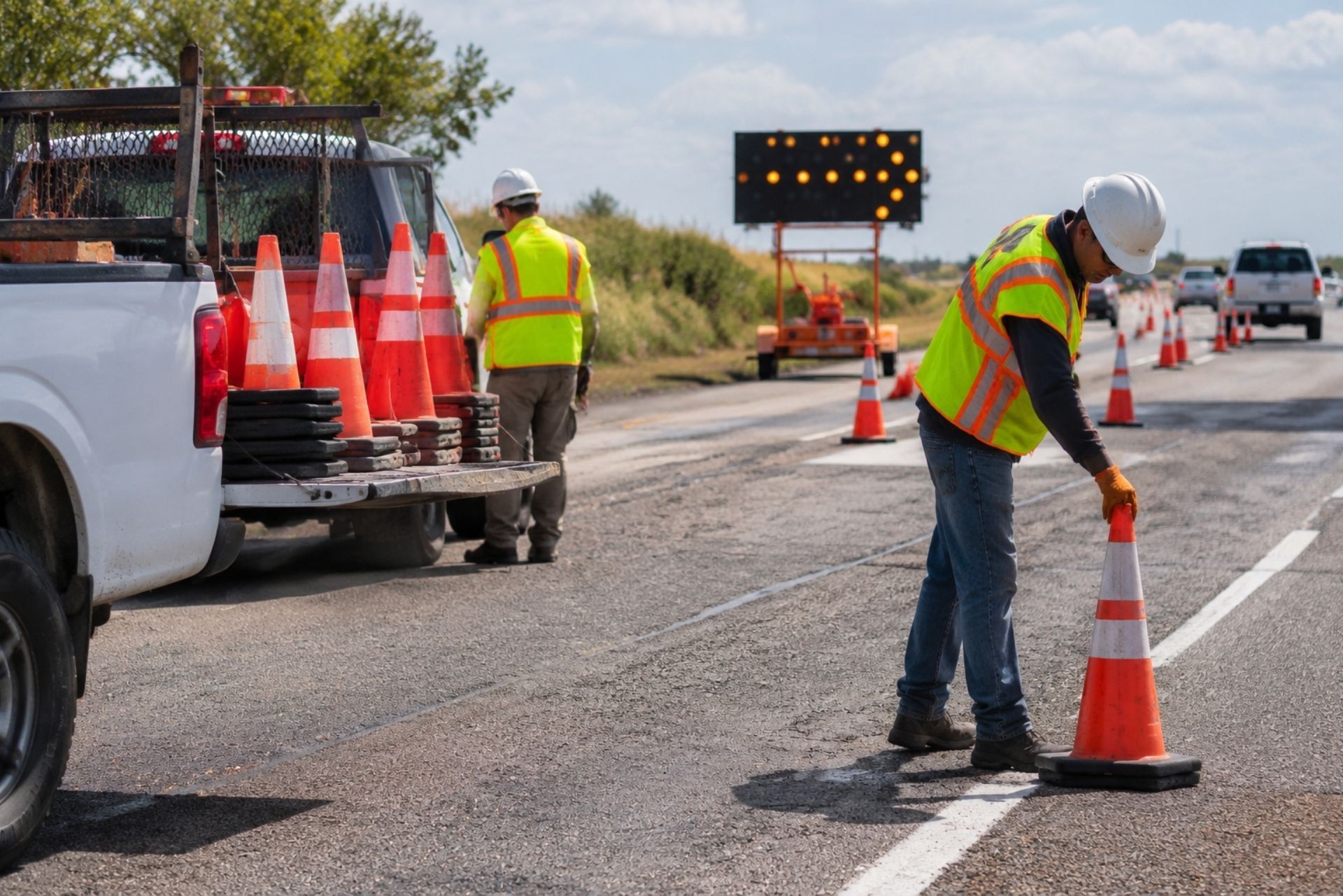
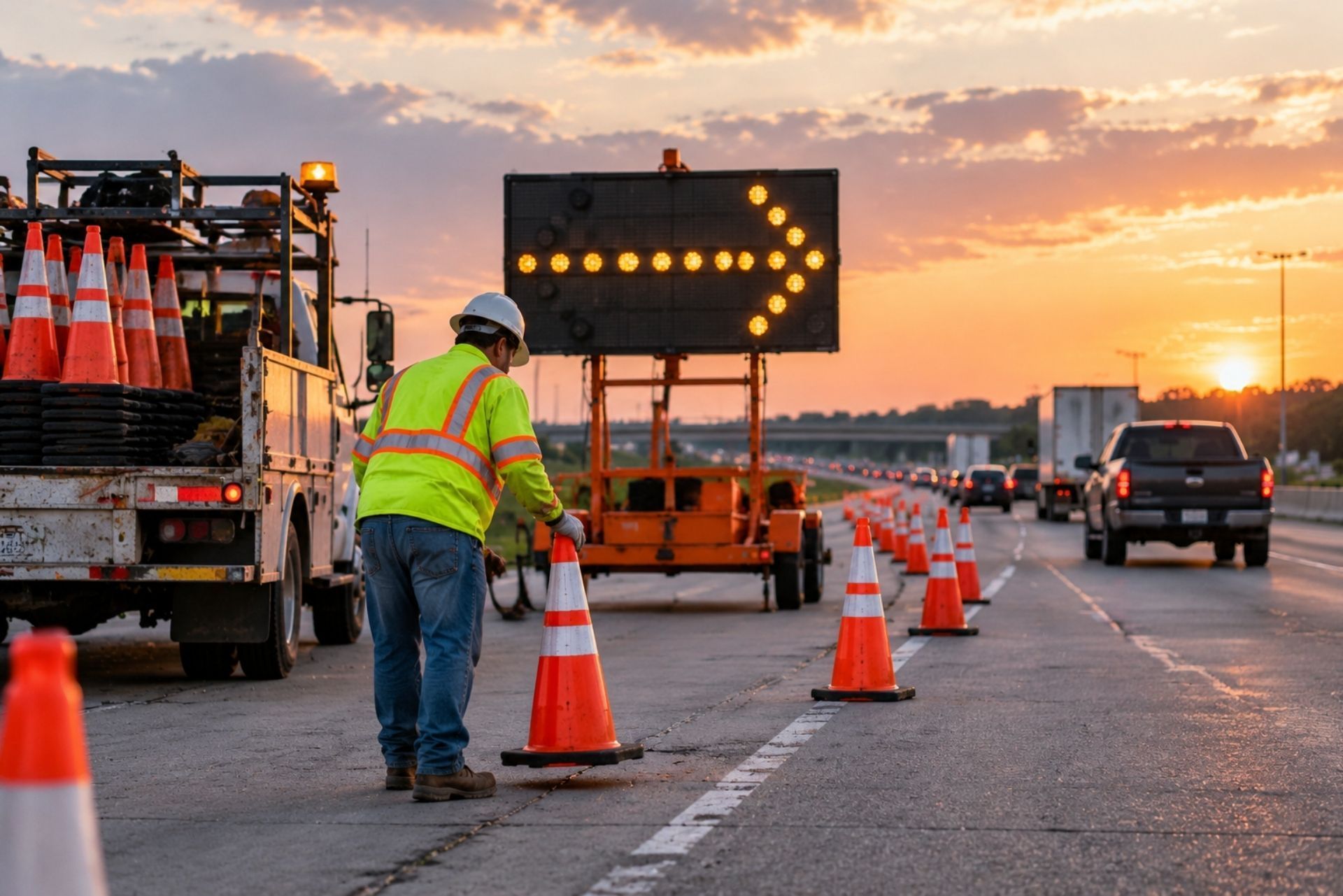
A flagger on a frontage road outside Fort Worth waves a pickup through a lane closure. The driver misreads the paddle, clips the attenuator truck, and spins into a parked sign trailer. Within a week, you're looking at three possible claims: an injured driver, a damaged truck sitting in the shop, and a general contractor asking whether your traffic control plan placed the taper correctly. One mistake, three different insurance policies.
That's the reality of traffic control work in Texas. You operate inside active roadways, often at night, with expensive equipment and crews standing a few feet from moving vehicles. Each kind of risk lands on a different policy. Gaps between those policies are where contractors get hurt financially, not the policies themselves.
So what
insurance does a Texas traffic control contractor need? The short answer is
general liability,
commercial auto,
inland marine,
workers' compensation, professional liability, and increasingly, cyber coverage. The longer answer depends on your contracts, your fleet, and whether you design plans or only install them. The sections below break down each coverage, what TxDOT and cities expect, and where we see contractors get caught short.
Risk Management for Texas Traffic Control Operations
Insurance pays for losses. Risk management keeps you from having them in the first place, and it also shapes what you pay. Underwriters who write traffic control accounts look hard at how you run jobs, not only at your revenue and payroll. A firm with documented safety practices usually gets better terms than a similar firm that can't show its work.
Here's what carriers want to see when they review your submission:
- Flagger certification records for every crew member, with renewal dates tracked
- Written setup and takedown procedures that follow the Texas MUTCD
- Vehicle maintenance logs for attenuator trucks, arrow boards, and pickups
- Driver screening, including MVR checks before anyone gets behind the wheel
- Incident reports that show you investigate near misses, not just accidents
- Subcontractor agreements that require their own insurance and name you as additional insured
That last item trips up a lot of contractors. If you hire a small flagging crew for overflow work and they don't carry their own coverage, your carrier may pick up their claims at audit and charge you premium for their payroll. Collect certificates before the first shift, every time.
Night work deserves special attention. Visibility drops, impaired drivers increase, and the severity of claims climbs. If you take on overnight lane closures on interstates, tell your agent. Hiding that exposure doesn't lower your risk, and it can give a carrier grounds to dispute a claim later.

By: Michael Whitaker
Insurance Advisor at
Denton Business Insurance
General Liability: Protecting Against Third-Party Claims
General liability is the policy most contracts ask for first. It covers bodily injury and property damage you cause to people who aren't your employees: motorists, pedestrians, property owners, and other contractors on the site. For traffic control firms, it's the backbone of the insurance program.
TxDOT and municipal contracts typically require at least $1,000,000 per occurrence and $2,000,000 aggregate for commercial general liability. Treat that as the floor. Larger general contractors often ask for more, and they'll want to be added as an additional insured on a primary and non-contributory basis.
Public Safety and Bodily Injury Risks
Most serious GL claims in this industry come from motorists who say your work zone confused them. A sign placed too close to the closure, a missing advance warning, a flagger standing in a blind spot: plaintiffs' attorneys build cases on details like these. Even when you did everything right, defending the suit costs money, and GL pays those defense costs.
Pedestrian claims matter too, especially in urban jobs around Austin, Dallas, and Houston. A sidewalk closure without a proper detour can lead to a trip-and-fall claim or an ADA complaint. Check that your policy doesn't carry a classification exclusion that limits coverage for work on highways or roadways. Some cheaper policies do, and contractors rarely spot it until a claim is denied.
Property Damage During Work Zone Setup
Property damage claims are usually smaller but more frequent. A barrel blows into a parked car. A crew member backs a trailer into a business's landscaping. A drilled sign base cracks an irrigation line.
Watch for two policy features here. First, the "your work" and "care, custody, or control" exclusions can limit coverage for property you're working on or responsible for. Second, completed operations coverage matters if a sign you installed falls weeks after the job ends. Make sure your aggregate for completed operations isn't quietly lower than your general aggregate.
Commercial Auto and Inland Marine for Equipment
Your vehicles are both tools and liabilities. A personal auto policy won't respond when a truck is being used for business, and a standard property policy won't cover cones sitting on a highway shoulder. This is where commercial auto and inland marine work together.
TxDOT requires a combined single limit of $1,000,000 per occurrence for commercial auto liability. That's far above the Texas state minimum of $30,000/$60,000/$25,000, which wouldn't come close to covering a serious highway wreck.
Insuring Attenuator Trucks and Sign Trailers
Truck-mounted attenuators are built to get hit. That's their job. The catch is that when a distracted driver slams into one, you may face damage to the truck, injury to your driver, and a liability claim from the other motorist if they argue your setup caused the crash. Physical damage coverage (collision and comprehensive) pays to repair the truck itself, and you'll want agreed or stated values for specialized units, since standard actual cash value settlements often fall short.
Trailers need to be scheduled on the policy, and the attenuator head may need separate treatment depending on whether it's permanently mounted. Also ask about Hired and Non-Owned Auto (HNOA) coverage. When an employee runs to pick up supplies in their own pickup, or you rent a truck during a busy season, HNOA covers your liability if that vehicle causes a wreck.
Inland Marine: Coverage for Cones, Barriers, and Tools
Inland marine, often called contractors equipment coverage, protects movable property. It's the right home for solar arrow boards, portable message signs, crash cushions, barricades, and drums. These items travel between yards and job sites constantly, and they sit unattended on roadsides overnight.
Standard property insurance usually covers equipment at your listed location only. Inland marine covers it in transit and on site, which is where your gear spends most of its life. Theft of arrow boards is a common claim we hear about, especially on long rural jobs. Schedule high-value items individually and use a blanket limit for smaller items like cones and signs.
Workers' Compensation Requirements in Texas
Texas is the only state where private employers can choose not to carry workers' compensation. Contractors who opt out are called non-subscribers. That choice exists on paper, but for traffic control firms it's mostly theoretical.
Under Texas Labor Code §406.096, any contractor or subcontractor entering a construction contract with a Texas governmental entity must provide workers' comp for every employee on the project. Since most traffic control work involves TxDOT, counties, or cities, you'll need it. The TxDOT local government project guidance on workers' compensation spells out how those requirements get written into bid documents.
Even on private jobs, going without coverage is risky. Non-subscribers lose key legal defenses in injury lawsuits. They can't argue the employee was partly at fault, that the worker assumed the risk, or that a coworker caused the injury. A flagger struck by a car could sue you directly, and juries tend to be sympathetic to injured roadside workers.
Your premium is driven by payroll, class codes, and your experience modification rate. Misclassifying flaggers under a lower-rated code might save money upfront, but the audit will catch it, and you'll owe the difference. Keep clean payroll records split by job duty, and report injuries quickly. Late reporting raises claim costs and pushes your mod up for three years.
Professional Liability and Cyber Risk for Modern Traffic Firms
Many traffic control firms have grown past simple setup and flagging. They design plans, run smart work zone systems, and manage data from portable signals and queue warning sensors. Each of those services creates exposures that general liability doesn't touch.
Errors and Omissions in Traffic Control Plans
When you design a traffic control plan, you're giving professional advice. If the plan has a taper that's too short or a lane shift that's poorly signed, and a crash follows, the claim alleges a professional error. Most general liability policies exclude professional services, so that claim may have no home without a separate policy.
Cities have caught on. Projects involving TCP design can require professional liability insurance with a minimum of $1,000,000 per claim. Professional liability is written on a claims-made basis, which means the policy in force when the claim is reported responds. If you switch carriers or close the business, you need prior acts coverage or an extended reporting period. Letting a policy lapse for even a month can leave years of past plans uninsured.
Cyber Insurance for Smart Signaling Systems
Portable traffic signals, connected message boards, and remote-monitored sensors run on cellular networks and cloud dashboards. That's convenient, and it's also an attack surface. Hackers have altered message signs in the past, and a compromised signal on an active job could create a safety hazard and a lawsuit.
Cyber coverage also handles more ordinary problems. Ransomware that locks your billing and payroll system, a phishing email that tricks your office manager into wiring payment to a fake vendor, or a breach of employee Social Security numbers. Look for policies that include business interruption, social engineering fraud, and liability for third-party data. If you rely on a vendor's platform to run devices, ask how a breach on their end would be handled under your policy.
Comparison of Standard vs. High-Risk Coverage Limits
Not every traffic control job carries the same exposure. A residential street closure for a utility crew is a different animal from a nighttime lane closure on I-35. Here's how limits commonly scale between typical municipal work and high-risk highway contracts.
| Coverage | Standard Municipal Job | High-Risk Highway Contract |
|---|---|---|
| General Liability | $1M per occurrence / $2M aggregate | $1M / $2M plus umbrella |
| Commercial Auto | $1M combined single limit | $1M CSL plus umbrella |
| Workers' Comp | Statutory, required on public jobs | Statutory, plus waiver of subrogation |
| Professional Liability | Only if you design plans | $1M per claim when designing TCPs |
| Umbrella / Excess | Often optional | Frequently required |
| Inland Marine | Scheduled key equipment | All high-value units scheduled |
| Cyber | Basic coverage | Higher limits if running connected devices |
The umbrella line deserves attention. For high-value highway contracts, TxDOT and major general contractors often require an umbrella policy to manage liability risk. An umbrella sits on top of your GL, auto, and employer's liability and kicks in when those limits run out. For a crew working inches from 70 mph traffic, a $1M auto limit can disappear in a single serious crash.
Cost reflects all of this. A full insurance program for a mid-sized Texas flagging operation typically runs from $8,000 to over $30,000 a year. Fleet size, payroll, claims history, and how much highway work you take on push you up or down in that range.
Texas DOT Requirements and Contractual Obligations
Meeting TxDOT's minimums is only part of the job. The contract language attached to those limits often matters more than the dollar figures, and it's where contractors make expensive mistakes.
Read your contracts for these common requirements:
- Additional insured status for the owner, the GC, and sometimes engineers, on both ongoing and completed operations
- Primary and non-contributory wording, which means your policy pays before theirs
- Waiver of subrogation on GL, auto, and workers' comp, so your carrier can't sue the parties you work for
- Notice of cancellation clauses requiring your insurer to notify the owner
- Indemnity provisions that may shift liability to you beyond what insurance covers
Texas has an anti-indemnity statute for construction contracts that limits broad-form indemnity, but contracts still try to push risk downstream. Have your agent compare your policy endorsements to the contract before you sign, not after a claim. A certificate of insurance doesn't create coverage; the endorsements on the actual policy do.
Bid deadlines make this harder. Contractors often send an old certificate to win a job and figure they'll fix the details later. Then the GC's risk team rejects it, payments get held, and the crew sits idle. Build a relationship with an agent who can turn certificates and endorsements around quickly.
Common Questions About Traffic Control Insurance
Do I need workers' comp if I only have two employees? If you work on any Texas government construction contract, yes. Headcount doesn't matter for public projects; every employee on the job must be covered.
Will my general liability cover a crash my flagger caused? Usually, GL covers third-party injury from your operations, but if a vehicle is involved, the auto policy may respond instead. That overlap is why both policies need adequate limits.
Does inland marine cover theft of arrow boards from a job site? A properly written contractors equipment policy typically covers theft on site and in transit. Check your deductible and whether items are scheduled or covered under a blanket limit.
I only set up signs from someone else's plan. Do I need professional liability? Generally no, as long as you aren't designing or modifying plans. Once you start changing layouts in the field or drafting plans, talk to your agent.
How much does traffic control insurance cost? For a mid-sized flagging operation, a complete program often runs $8,000 to over $30,000 per year. Your fleet, payroll, and claims history drive where you land.
What happens if my policy lapses mid-project? You could breach your contract, lose payment, and face uninsured claims. Claims-made policies like professional liability can also lose coverage for past work.
Making the Right Choice for Your Fleet and Crew
Answering the question of what insurance a Texas traffic control contractor needs comes down to matching coverage to your real operations. General liability and commercial auto handle the public. Inland marine protects the gear that makes you money. Workers' comp is required on public work and smart protection everywhere else. Professional liability and cyber cover the newer exposures that come with plan design and connected devices.
The best programs are built around your contracts, not generic packages. Denton Business Insurance is an independent agency in Denton, so we can shop several carriers, including Travelers and Chubb, and compare how each one handles attenuator trucks, umbrella limits, and contract endorsements. That kind of side-by-side review often uncovers gaps a single-carrier quote won't show.
If you're bidding a new TxDOT job or your renewal is coming up, reach out to our team. Bring your contracts and equipment list, and we'll help you build coverage that keeps your crews working and your business protected.
Straight from the Clients We Serve
Texas Business Owners Rate Us 5 Stars — Here Is Why
We hear the same things repeatedly: fast service, honest advice, and coverage that made sense for their situation. That is what we aim for every time.
Protection Across Every Area of Your BUSINESS
What Texas Businesses Need. What We Deliver.
From your job site and your fleet to your data and your payroll — we cover the risks that Texas businesses carry every day.
General Liability
Covers third-party claims of bodily injury, property damage, and advertising injury. A foundational protection for nearly every Texas business, regardless of industry or size.
Commercial Property
Covers your building, equipment, inventory, and business contents against fire, theft, storms, and vandalism. Can also include lost income if your businesses are forced to stop.
Commercial Auto
Protects vehicles your company owns, leases, or uses for work. Covers liability, collision damage, and injuries for employees driving on company time.
Errors & Omissions
Protects service providers when a client claims your advice, work, or recommendations caused them a financial loss. Critical for consultants, IT firms, agents, and other professional service businesses.
Directors & Officers
Covers leadership decisions that result in claims from employees, investors, or outside parties. Protects your directors and officers personally when management decisions are challenged.
Inland Marine & Equipment Floater
Covers tools, materials, and equipment that move between job sites or are stored off your primary property. Fills the gap where a standard commercial property policy stops.
Every Sector Has Its Own Risk Profile
We Know Your Trade. We Know Your Exposure.
We work with a wide range of Texas industries — each with different coverage priorities. Below are the sectors we serve most often.

Apartment Complexes
Texas apartment owners face liability across common areas, tenant incidents, and on-site staff. We cover your property, your income, and your exposure — across one complex or an entire portfolio.
Manufacturing Businesses
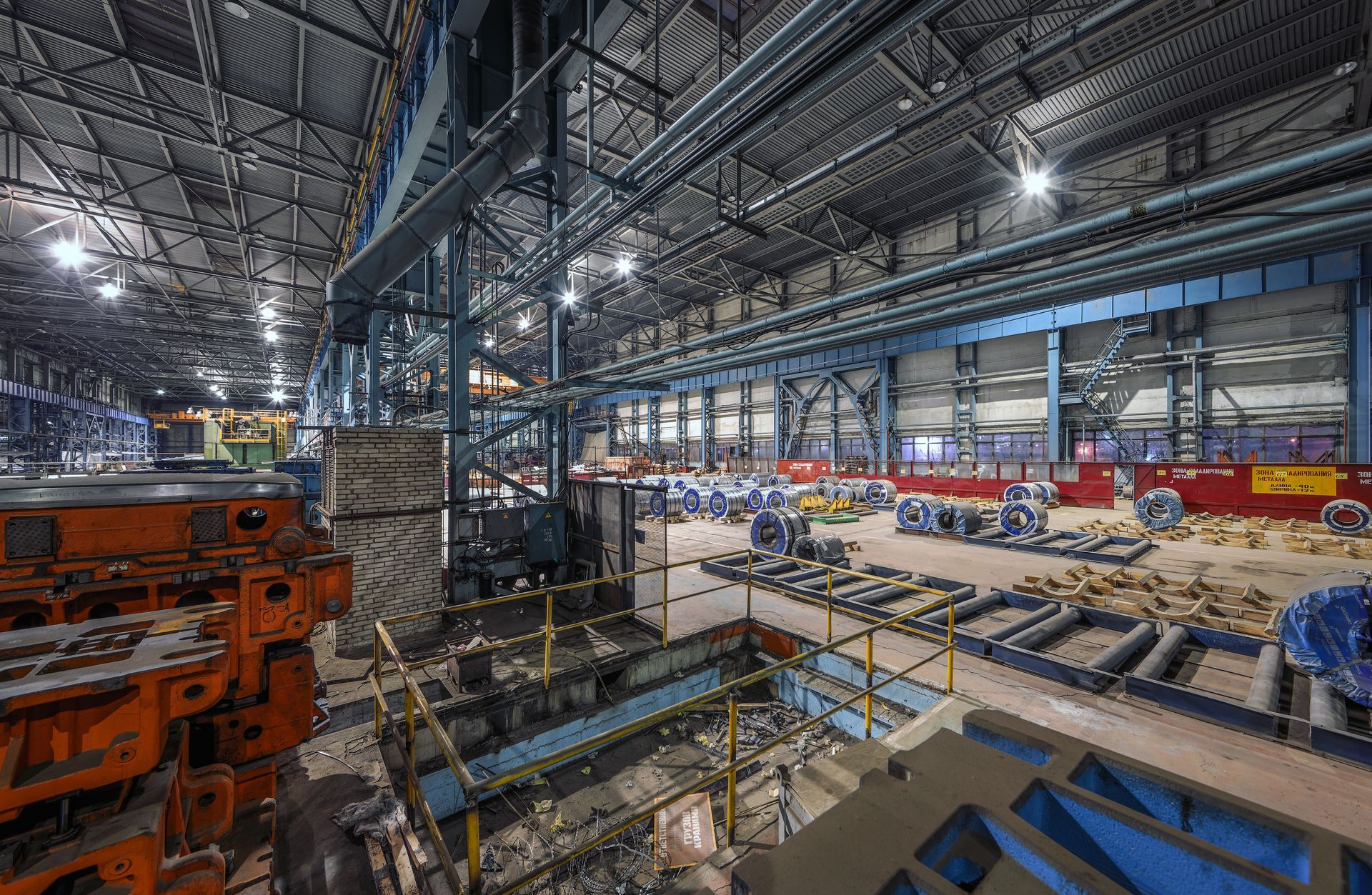
Equipment breakdowns, product liability, and workforce injuries are daily risks for Texas manufacturers. We build coverage from the shop floor to the loading dock — so one incident does not shut you down.
Artisan Contractors
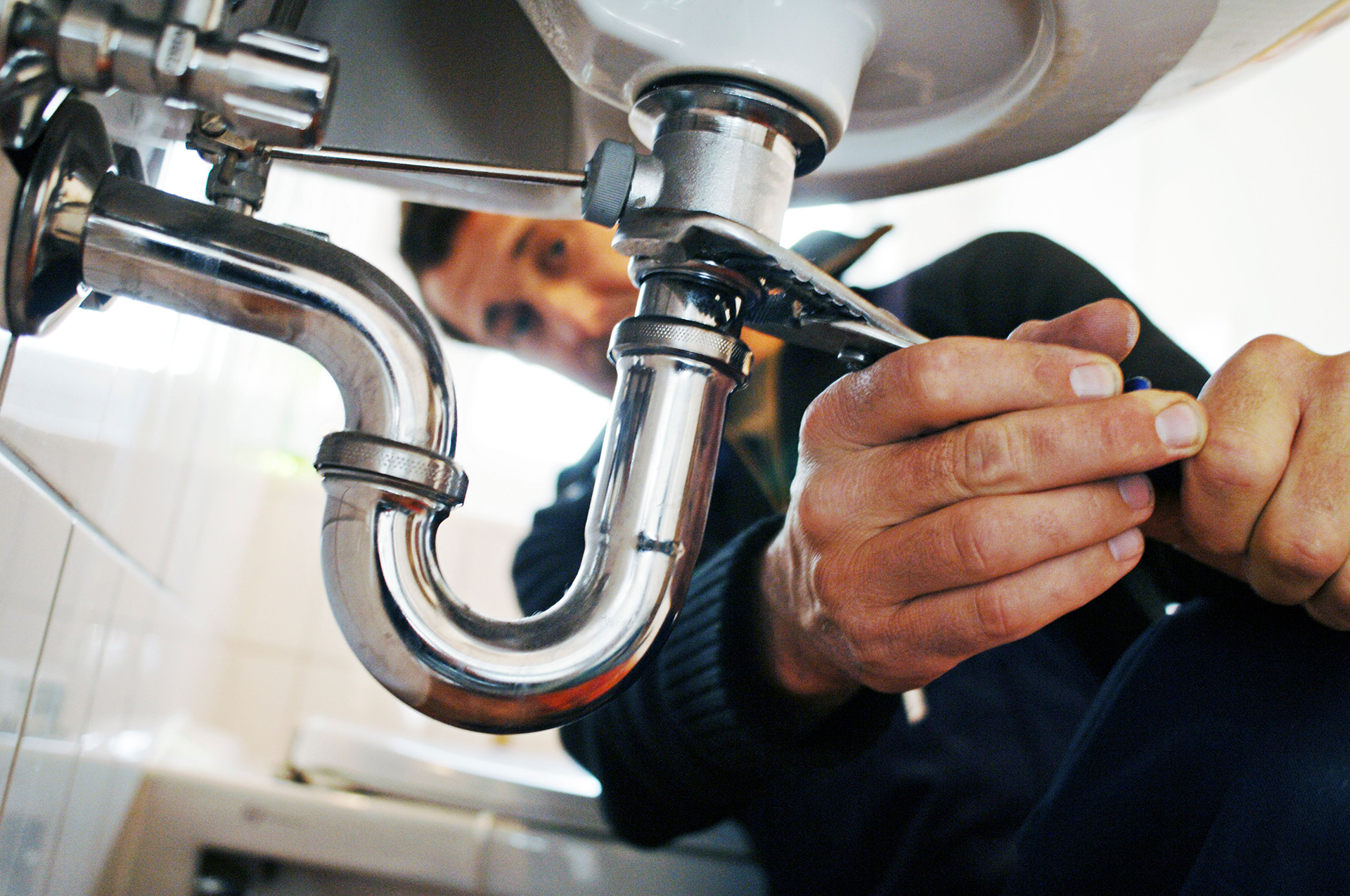
Plumbers, electricians, and skilled tradespeople work in high-risk environments every day. We build coverage around your tools, your vehicles, and your crew — so a job site incident does not stop your business.
Restaurants & Food Service
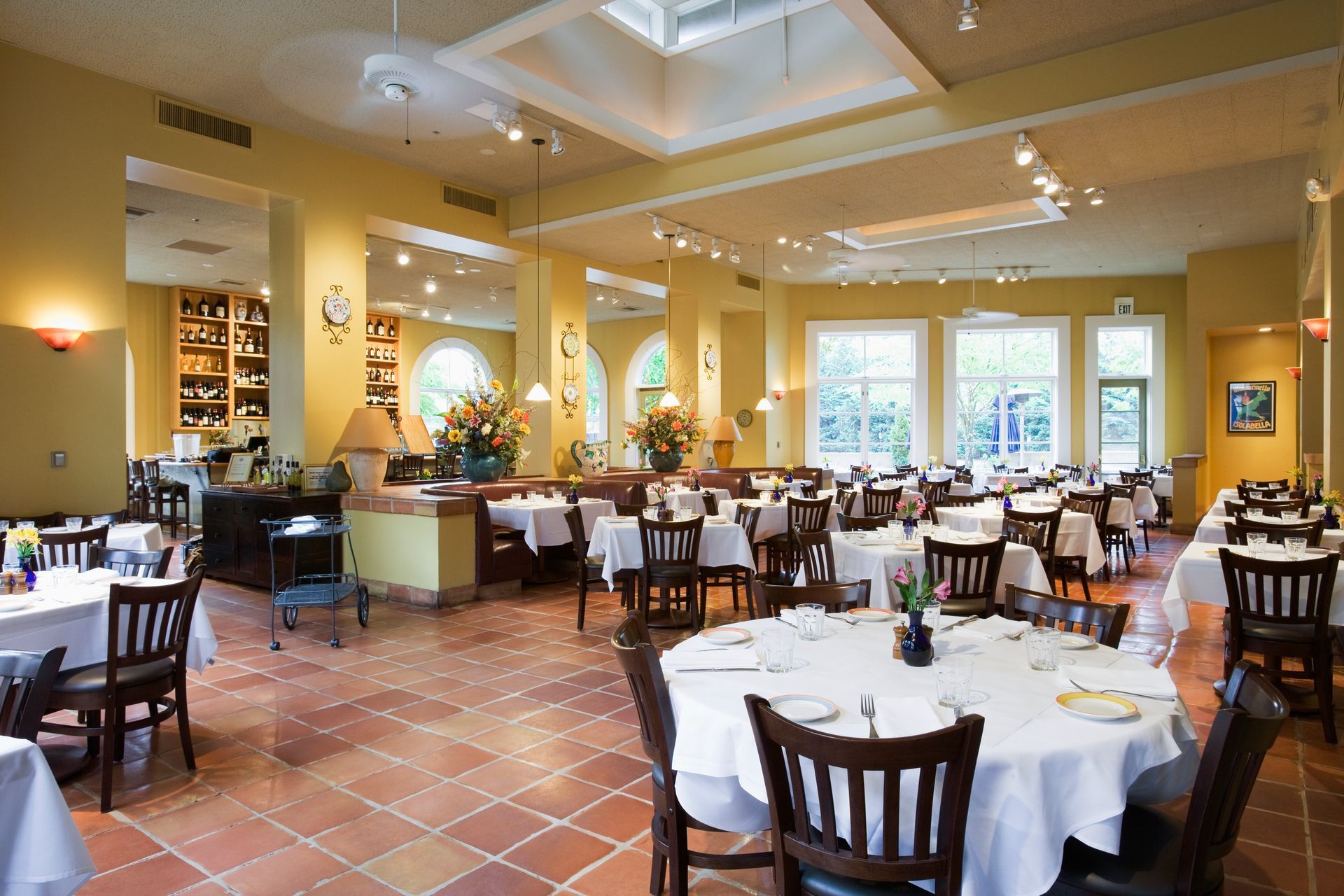
Restaurants carry liability on every shift — from the kitchen to the dining room and everything in between. We protect your location, your staff, and your equipment, including lost income when operations stop.

Non-Profits Service
Non-profits face unique liability across events, volunteers, staff, and leadership decisions. We cover your organization from the ground up — so you can focus on your mission, not your exposure.

Event Insurance
Event organizers face liability the moment guests arrive, vendors set up, and alcohol is served. We cover your event from start to finish — so one unexpected incident does not cancel everything you planned for.
Answers Before You Pick Up the Phone
What Texas Businesses Ask Us Most
We get a lot of the same questions from business owners across Texas. Here are honest answers to the ones that come up most.
What information do you need to get a commercial insurance quote?
We keep the process straightforward. We typically need your business name, a description of your operations, your gross annual sales projection, number of full-time and part-time employees, your gross annual payroll, and the types of coverage you are looking for. If you have an existing policy, the expiration date and current carrier help us put together a competitive comparison.
The most important thing you can do is be transparent about what your business actually does. Accurate classification ensures you have real coverage if a claim occurs. We have seen businesses with active policies that were incorrectly classified — and those gaps only surface at the worst possible moment.
Does Texas require businesses to carry Workers' Compensation Insurance?
Texas is the only state in the country that does not require most private employers to carry Workers' Compensation. However, if your business holds government contracts or works as a subcontractor on a job site, the hiring company will almost always require proof of coverage before work begins. A growing number of general contractors across Denton and the DFW area enforce this as a standard condition.
Even without a legal requirement, carrying Workers' Comp protects your business from direct liability if an employee is hurt on the job. Medical bills, lost wages, and legal fees can add up quickly — and one serious incident can create a financial loss that far exceeds years of premium payments.
What is a commercial insurance audit and should I expect one?
Most commercial general liability policies are auditable. At the end of your policy term, the insurance carrier reviews your actual gross sales to make sure your premium matched your real exposure. If your sales grew during the year, you may owe an additional premium. If sales came in lower, you could receive a refund.
The best way to avoid a large balance due at audit time is to update your projected gross sales with us during the year if your business grows faster than expected. We can endorse your policy mid-term to reflect the change and spread any additional premium across smaller installments instead of one lump sum at year-end.
What factors affect how much my commercial coverage will cost?
Your premium is calculated based on several variables specific to your operation — industry classification, gross annual sales, number of employees, gross payroll, claims history, and the types of coverage you need. A business that handles physical work with a crew on job sites will pay differently than a professional services firm working out of an office.
As an independent agency, we compare quotes across multiple carriers — including Travelers, The Hartford, Chubb, AmTrust, and others — to find the combination of coverage and price that works for your situation. There is no obligation after your quote, and we walk through every option in plain terms before you decide anything.
My business is a restaurant — what coverage do I actually need?
Restaurants are not a one-size-fits-all class of risk. Carriers look at a range of factors when evaluating a restaurant account: whether you serve alcohol, whether deep frying is involved, the type of fire suppression system in place, whether you have a hood cleaning contract, and whether you offer catering, delivery, or live entertainment. All of these affect both pricing and carrier appetite.
A well-structured restaurant policy typically includes general liability, building and business personal property coverage, liquor liability if applicable, food contamination coverage, business income protection, and workers' compensation for your staff. We work with carriers that actively want to write restaurant accounts in Texas — including Travelers, The Hartford, and Chubb — so you have real options to compare.
Can you help insure a business that is hard to place or outside the mainstream?
Yes — this is one of our strengths. We work with Excess and Surplus (E&S) lines markets through carriers like Burns & Wilcox for businesses that standard carriers will not write. We have placed coverage for master sign electricians, cable splicing operations, transmission rebuild shops for classic cars, CBD retailers, and many other non-standard accounts.
If you have been told your business is difficult to insure or you have received very limited options in the marketplace, reach out to us. We take time to understand your operations in detail, present your account to the right markets, and work to find coverage that actually reflects what you do — not a generic policy that leaves gaps.
Still have Question?
We’re here to help you!
Written for the Texas Business Owner
Insights That Help You Make Smarter Decisions
We publish articles on real topics that affect how Texas operators get covered — from local regulatory updates to coverage gaps most owners do not know they have.